On 17 December 1903, Orville and Wilbur Wright changed history. Across four brief flights over the windswept sands near Kitty Hawk, North Carolina, their experimental machine proved that controlled, powered human flight was possible. The longest lasted just 59 seconds, but the implications would stretch far beyond that chilly December morning.
Yet first flight was not the end of the Wright brothers’ story. If anything, it was the beginning. There were better aircraft to build, sceptics to convince, governments to impress, patents to defend and, eventually, a tragedy that would permanently separate aviation’s most famous partnership. So, what happened after the Flyer landed?
From Kitty Hawk to Huffman Prairie
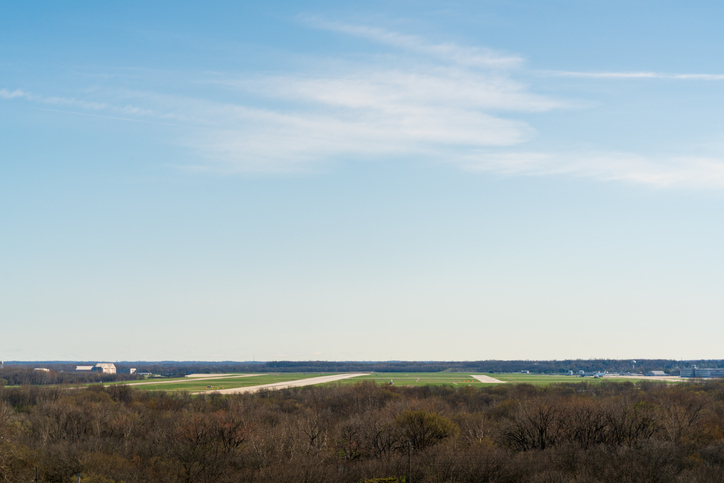
Huffman Prairie Flying Field in Dayton, Ohio (Credit: zrfphoto via Getty Images)
First things first: the pioneering Wright Flyer itself – the first heavier-than-air powered and controlled aircraft – did not enjoy an encore. Shortly after the fourth flight on 17 December, a powerful gust caught the aircraft and badly damaged it. It would never fly again. The brothers, however, were only getting started.
Back home in Ohio, they shifted their experiments to Huffman Prairie, outside Dayton. There, throughout 1904 and 1905, they transformed their fragile proof-of-concept into something far more practical. Flights became longer and more controlled, culminating in the Wright Flyer III, capable of remaining airborne for extended periods and turning reliably.
Kitty Hawk had proved an aeroplane could fly. Huffman Prairie began proving that it could actually go somewhere.
Delayed Takeoff
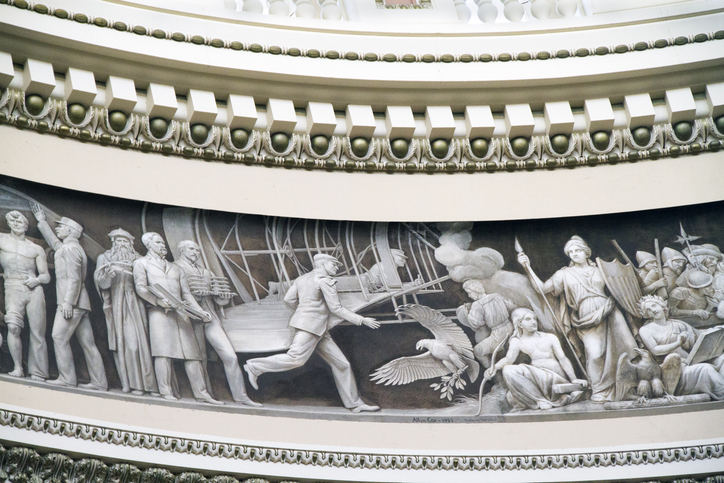
A frieze in the US Capitol showing the first powered flight (Credit: Hal Beral via Getty Images)
It seems almost impossible now, but the Wright brothers’ achievement did not instantly turn them into global celebrities. Their earliest flights had taken place before only a handful of witnesses, while the brothers themselves became increasingly secretive about showing their improved machines.
There was method behind the mystery. They were attempting to secure patents and commercial contracts and feared competitors could simply copy the control system at the heart of their invention. Between late 1905 and spring 1908, the Wrights stopped flying altogether while negotiations continued.
The result was a strange situation. The brothers had developed an extraordinary flying machine, yet much of the wider world had barely seen it. Scepticism lingered. Before becoming aviation icons, Wilbur and Orville would have to prove themselves all over again.
The Wright Brothers Go Public
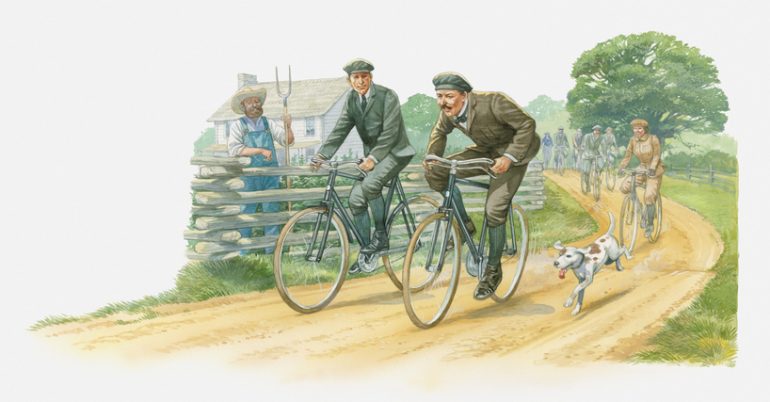
The Wright Brothers went from bicycle mechanics to global celebrities (Credit: Dorling Kindersley via Getty Images)
That changed dramatically in 1908. While Orville prepared demonstrations for the US Army at Fort Myer, Virginia, Wilbur travelled to France to show European audiences exactly what the Wright machine could do.
Wilbur’s flights were a sensation. Spectators who had doubted the Americans watched him turn, circle and manoeuvre through the air with a control that competing aircraft struggled to match. The brothers were suddenly no longer obscure bicycle mechanics making extraordinary claims. They were international celebrities.
Success followed elsewhere. In 1909, the US Army formally accepted a Wright aeroplane after Orville completed its required trials, while further demonstrations across Europe and America drew huge crowds. The age of the aeroplane had arrived, and the Wrights were right at its centre.
Orville’s Flight Ends in Disaster
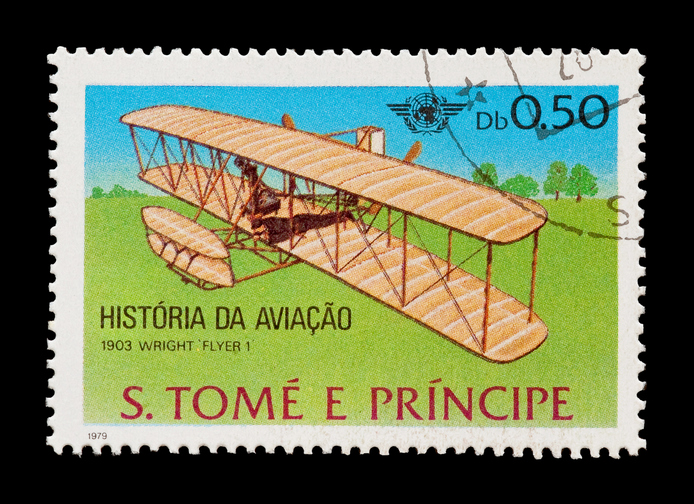
A comemmorative stamp depicting the Wright Flyer (Credit: the_guitar_mann via Getty Images)
The demonstrations also revealed how dangerous early aviation could be. On 17 September 1908, Orville took off from Fort Myer with US Army Lieutenant Thomas Selfridge as his passenger. During the flight, a propeller blade broke. The aircraft plunged roughly 75 feet to the ground. Selfridge died from his injuries, while Orville suffered serious fractures and other injuries that would trouble him for the rest of his life.
It was a brutal reminder of how little margin for error existed in these pioneering machines. Yet Orville eventually returned to flying, completing the Army trials the following year.
The Wright brothers had proved that humans could master the air. Now they were confronting another truth: mastering it could come at a terrible cost.
From Bicycle Shop to Big Business
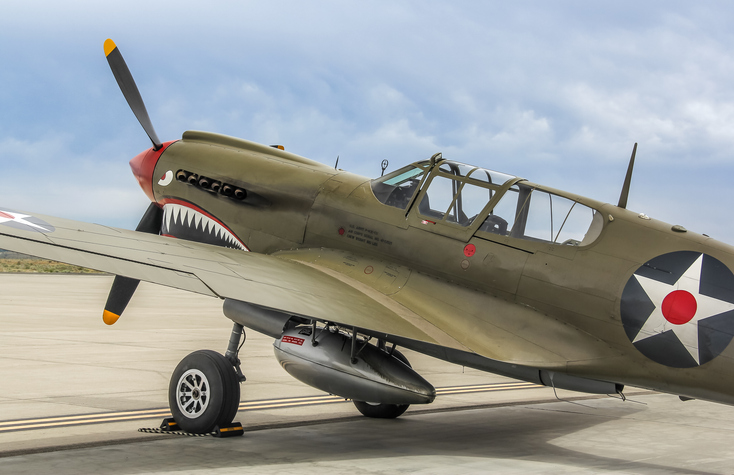
A Curtiss P-40E Warhawk Flying Tiger WWII fighter (Credit: Aeon Aviation Photography via Getty Images)
By 1909, Wilbur and Orville were no longer simply inventors. They were businessmen. The Wright Company was established to manufacture and market their aircraft, with Wilbur as president and Orville as vice-president. The brothers became wealthy, but commercial aviation brought paperwork, negotiations and a particularly exhausting problem: intellectual property.
The Wrights believed their patent covered the fundamental method of controlling an aeroplane, and they pursued rivals they thought were infringing it. Among the most important disputes was the long-running battle involving aircraft pioneer Glenn Curtiss. Patent litigation consumed increasing amounts of time just as aviation itself was racing forward.
For two men happiest experimenting with machinery, becoming executives and courtroom combatants was not quite the future they’d imagined.
Wilbur Wright’s Sudden Death
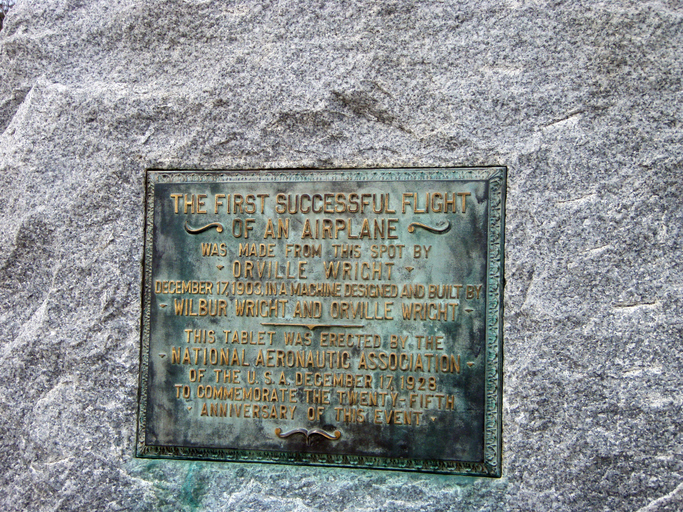
Plaque at Kitty Hawk celebrating the world's first powered flight (Credit: Maureen P Sullivan via Getty Images)
Then, in 1912, Wilbur fell ill with typhoid fever. He died at the family home in Dayton on 30 May 1912. He was just 45. Less than nine years had passed since that historic morning at Kitty Hawk.
As well as losing his brother, Orville was left without his work partner. The brothers had debated designs, solved engineering problems together, travelled internationally and built their reputation as a pair. Now Orville had to continue alone.
He became president of the Wright Company and executor of Wilbur’s estate, but his enthusiasm for running the business was limited. Aviation’s most famous double act had become a solo story.
Orville Leaves the Aircraft Business
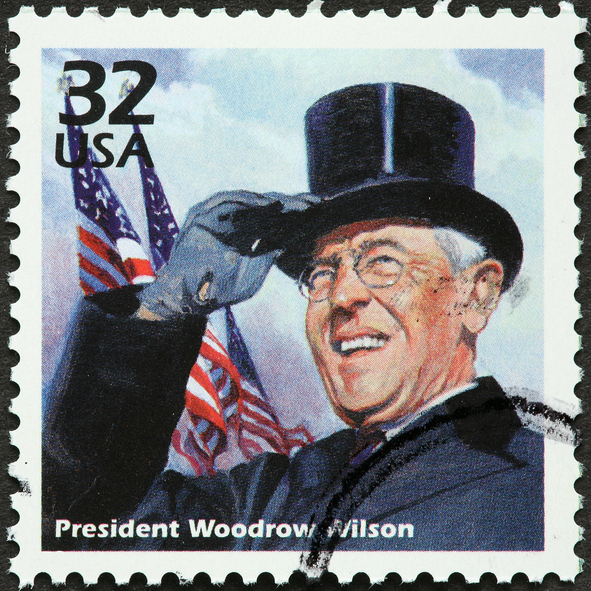
President Wilson appointed Orville Wright to the NACA, the forerunner of NASA (Credit: raclro via Getty Images)
Orville remained president of the Wright Company for only a few years. In October 1915, he sold his interest, although he briefly continued as a consulting engineer. Two years later, he established his own aeronautical laboratory in Dayton, returning in some ways to the hands-on experimentation that had characterised the brothers’ earliest work.
He also became one of American aviation’s elder statesmen. In 1920, President Woodrow Wilson appointed him to the National Advisory Committee for Aeronautics, or NACA, the organisation that would eventually become a predecessor of NASA. Orville remained involved with the committee until his death.
The man who had once built aeroplanes in a bicycle workshop was now helping advise a rapidly developing aviation industry.
The First Flyer Goes Into Exile
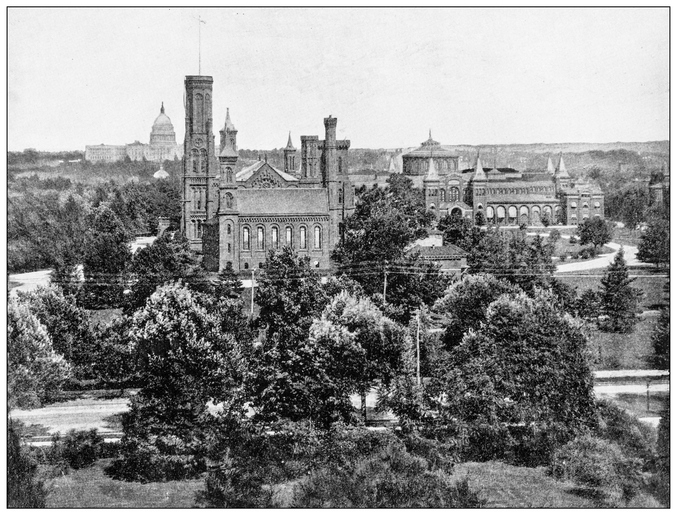
The Wright Flyer was returned to the Smithsonian in the 1940s (Credit: ilbusca via Getty Images)
Even decades after Kitty Hawk, Orville remained fiercely protective of the brothers’ place in history.
A particularly bitter disagreement developed with the Smithsonian Institution over claims surrounding Samuel Langley’s earlier experimental Aerodrome. Orville believed the Smithsonian had failed to give the Wrights proper recognition, and his response was wonderfully dramatic: he sent the original 1903 Flyer to Britain.
In 1928, the aircraft went on display at London’s Science Museum instead of the Smithsonian in Washington. The dispute was eventually resolved in 1942, and Orville requested that the aircraft return to America once wartime conditions made transportation safe.
Sadly, he would not live to see it happen.
From 12 Seconds to a New Aviation Age
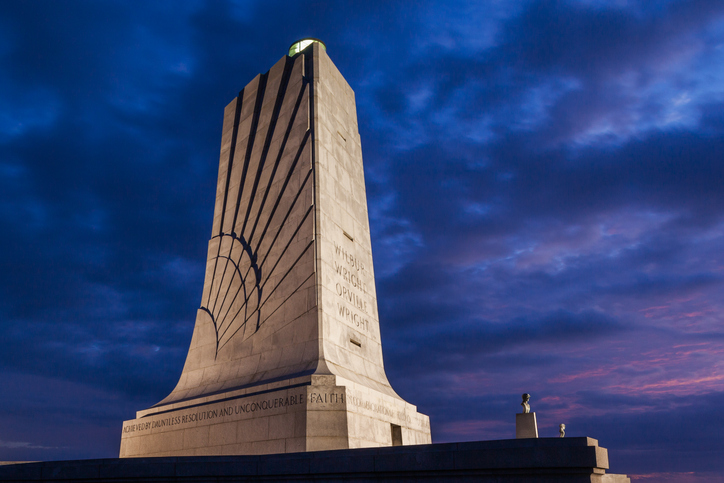
The Wright Brothers National Memorial in Kill Devil Hills, North Carolina (Credit: Walter Bibikow via Getty Images)
Orville Wright died of a heart attack in Dayton on 30 January 1948, aged 76. Later that year, the original Flyer finally returned from Britain and was formally displayed at the Smithsonian on 17 December, exactly 45 years after its first flight.
The scale of change Orville lived to witness was extraordinary. When he first lifted away from the sands of North Carolina in 1903, powered flight lasted seconds. By the time of his death, aircraft had crossed oceans, transformed warfare and passenger travel, and even broken the sound barrier.
The Wright brothers had not simply made one famous flight. They had opened an entirely new chapter of human history.