Some destinations are beyond the reach of even the most adventurous holidaymaker. The lunar surface, for example. Or the deepest parts of the Earth. But where ordinary tourists couldn’t tread, television cameras boldly went, bringing extraordinary sights from the farthest frontiers of exploration into homes around the world.
From grainy black-and-white images to breathtaking underwater footage, these remarkable broadcasts changed the game in how we saw the world, and the stars beyond. Want to revisit the television moments that took us where no travel agent has gone before? Stay tuned, the view is out of this world.
The Surface of the Moon: 239,000 Miles From Earth
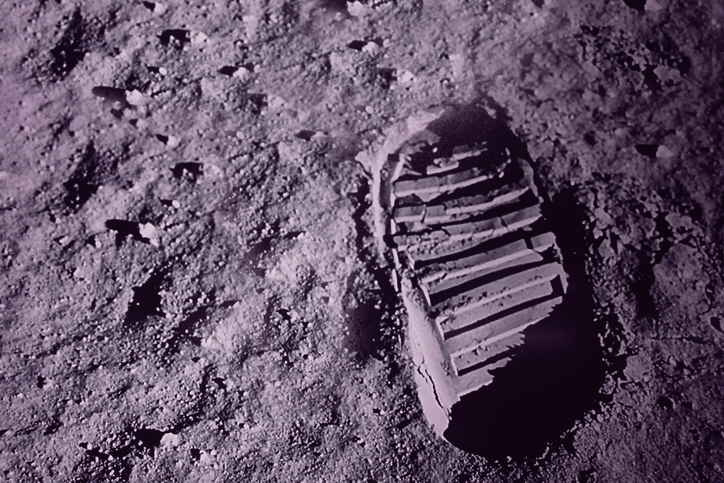
Buzz Aldrin's footprint on the moon (Credit: AJITH ACHUTHAN via Getty Images)
In July 1969, television achieved something truly extraordinary. An estimated 650 million people watched as Neil Armstrong stepped onto the lunar surface. It was just extraordinary in terms of scientific and technological achievement, it was also a game-changer in broadcasting history. The images were grainy, the movements strangely weightless, and the opening line was grammatically awkward. Yet viewers were witnessing history unfold almost 239,000 miles away. Those first lunar broadcasts proved cameras could take audiences beyond even the bounds of Earth itself. Not bad for a destination with absolutely no tourist facilities.
Watch on Discovery+
The Wreck of the Titanic: North Atlantic Ocean
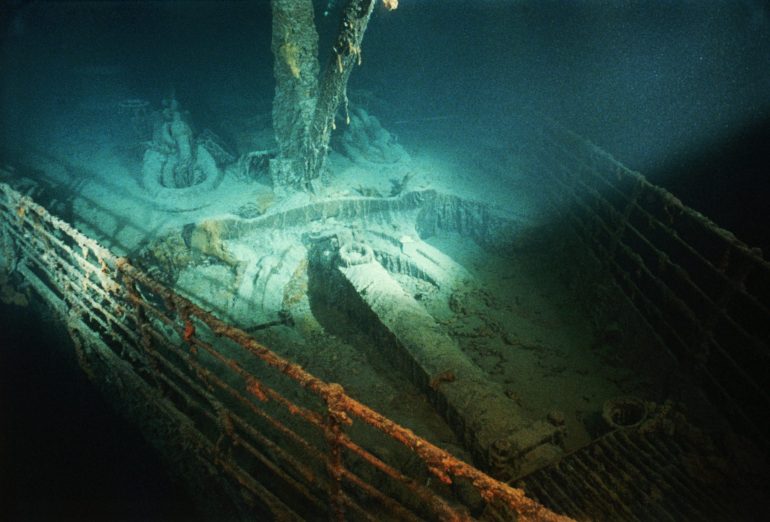
An anchor in its well on wreck of the RMS Titanic (Credit: Ralph White via Getty Images)
Almost two and a half miles beneath the North Atlantic lies one of history’s most famous shipwrecks. When the Titanic sank in April 1912, its final resting place remained a mystery for more than seven decades. That changed in September 1985, when an expedition led by Robert Ballard and Jean-Louis Michel located the wreck, opening a new chapter in underwater exploration.
The following year, cameras aboard the submersible ‘Alvin’ and a remotely operated vehicle called ‘Jason Jr.’ captured eye-popping images of the famous ship itself, including its enormous bow and haunting interiors. Subsequent expeditions have revealed the wreck in ever greater detail, bringing television viewers face to face with a vessel whose fate captured the imagination of millions.
Watch on Discovery+
Titanic: Anatomy of a Disaster
The Deepest Place on Earth: Mariana Trench, Pacific Ocean
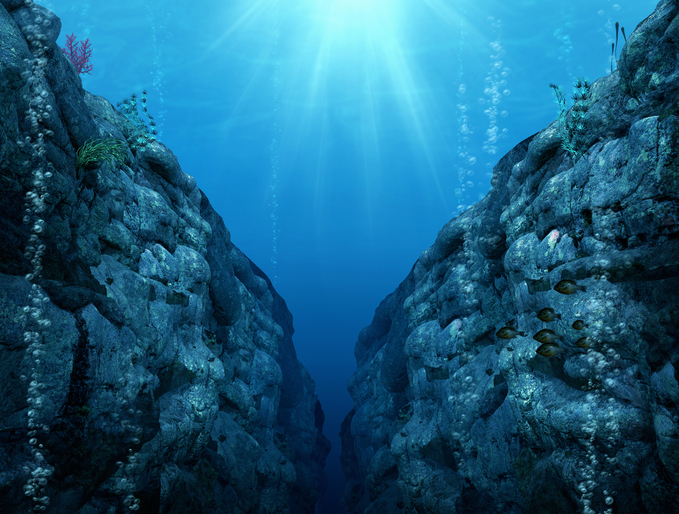
A 3D rendering of the Mariana Trench, the deepest place on Earth (Credit: ratpack223 via Getty Images)
As deep as the Titanic is, we descend further now to the Mariana Trench. At its lowest known point, Challenger Deep, the ocean floor lies almost seven miles beneath the surface. Down here, sunlight never penetrates, temperatures hover just above freezing, and water pressure exceeds a thousand times that at sea level. Yet remarkably, life survives in this seemingly alien environment.
In 1960, Jacques Piccard and Don Walsh became the first humans to reach Challenger Deep aboard the bathyscaphe Trieste. Decades later, advanced underwater camera technology transformed what audiences could actually see. James Cameron’s 2012 solo descent and Victor Vescovo’s 2019 expedition brought back astonishing pictures from this almost inaccessible world. No sunlight, no souvenir shops, and definitely no beachfront hotels.
The Roof of the World: Mount Everest, Himalayas
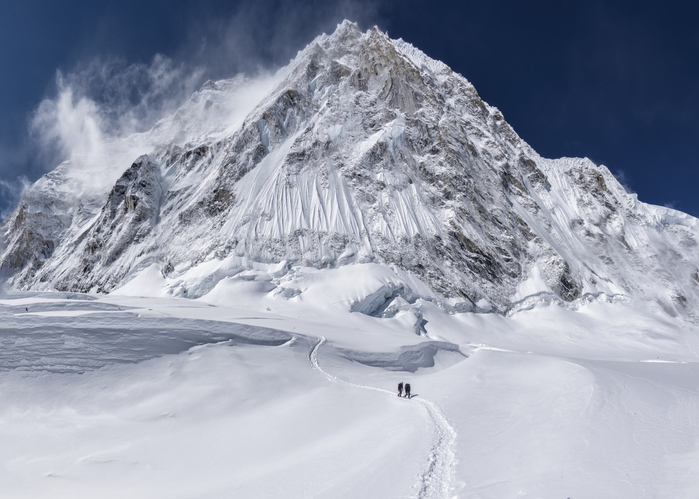
Mount Everest, the roof of the world (Credit: Westend61 via Getty Images)
Standing around 29,032 feet above sea level, Mount Everest is Earth’s highest mountain above sea level. Its summit lies within a zone where oxygen is scarce, temperatures can plummet and even simple physical tasks become exhausting. Yet on 5 May 1988, television cameras achieved a remarkable milestone when a joint Japanese, Chinese and Nepalese expedition transmitted the first live television pictures from Everest’s summit.
Using specialist cameras and satellite technology, the climbers allowed viewers to see the extraordinary view from the top of the world. Snow-covered peaks stretched into the distance as exhausted mountaineers celebrated their achievement. For audiences watching safely at home, it was high-altitude adventure without the frostbite.
Watch on Discovery+
Inside an Ancient Egyptian Tomb: Egypt
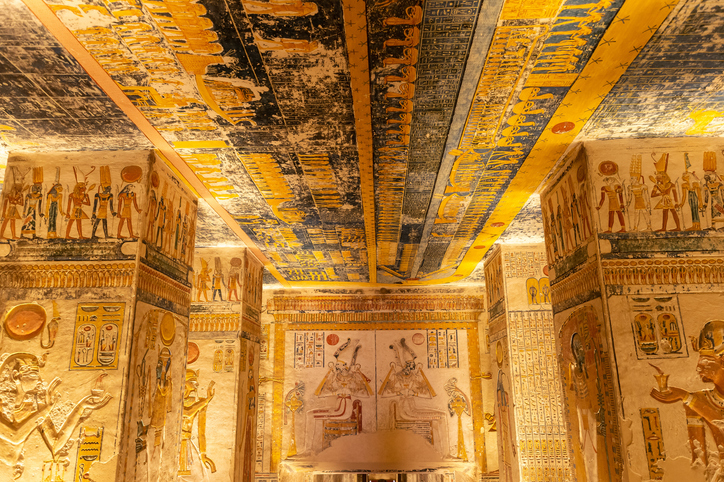
The stunning detail inside the tomb of Pharaohs Rameses V & VI in Luxor, Egypt (Credit: bloodua via Getty Images)
For thousands of years, ancient Egyptian burial chambers lay hidden beneath the desert, their entrances sealed and their contents largely undisturbed. Archaeologists have spent generations searching for these hidden time capsules, but it was television which allowed viewers to join them.
In April 2019, cameras broadcast the opening of a 2,500-year-old sarcophagus at an archaeological site in Egypt’s Minya province. Audiences across 95 countries watched as researchers revealed the remarkably preserved mummy of an ancient high priest. Alongside other discoveries, the broadcast offered a glimpse of archaeology in real time. It was about as close as most people could ever get to opening an ancient tomb themselves.
Watch on Discovery+
King Tut: A Century of Secrets
Inside an Active Volcano: Ethiopia
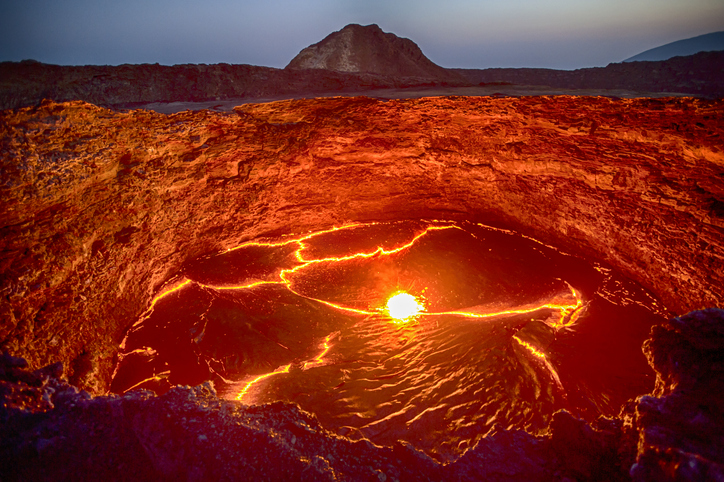
A view over the caldera of Erta Ale volcano in Ethiopia (Credit: guenterguni via Getty Images)
Most tourists are content to admire volcanoes from a sensible distance. Extreme explorers and specialist camera operators, however, have taken television audiences considerably closer to the action. In Ethiopia’s Danakil Depression lies Erta Ale, an active volcano famous for its spectacular lava-lake activity. Filming expeditions have ventured towards its crater to snap footage of molten rock churning, bubbling and occasionally bursting across the surface.
Getting this close means intense heat, potentially dangerous gases and unstable volcanic terrain. Fair to say it’s not for the faint-hearted. Specialist protective equipment and careful planning are essential, and even experienced crews were forced to contend with unpredictable conditions. Yet the resulting images are hair-raising, revealing the powerfully raw forces usually hidden deep within the Earth. It’s nature at its most spectacular, and possibly its least welcoming.
The Frozen End of the Earth: Antarctica
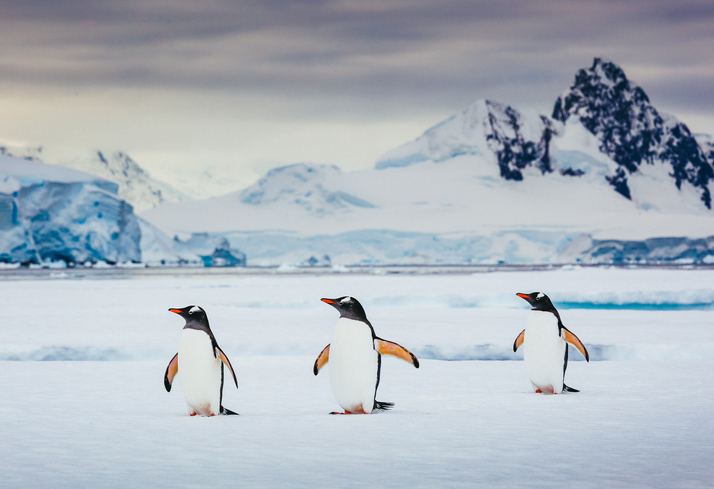
Gentoo penguins in Antarctica (Credit: David Merron Photography via Getty Images)
Antarctica is quiet. Maybe too quiet. No-one’s fighting to put towels on loungers here. Indeed, it’s one of the most isolated places on Earth. Almost entirely covered by ice, it experiences some of the lowest temperatures and fiercest winds ever recorded. For much of human history, it remained virtually inaccessible. Early polar expedition films brought audiences glimpses of this chilly wilderness, but modern TV tech has taken viewers even further.
From towering glaciers and vast penguin colonies to underwater landscapes hidden beneath the ice, camera crews have filmed environments few people will ever witness first-hand. Satellite broadcasts even connected research teams at remote Antarctic stations with the outside world. It’s an impressive feat of communication from a continent where even reaching the nearest neighbour can be a major expedition.
Watch on Discovery+
Maritime Masters: Expedition Antarctica
The Abandoned City of Chernobyl: Ukraine
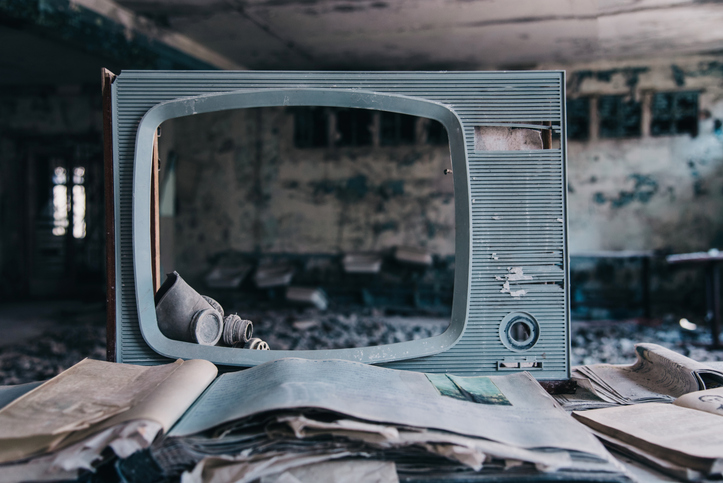
A long abandoned building in Pripyat (Credit: Cavan Images via Getty Images)
In April 1986, an explosion at the Chernobyl nuclear power plant triggered one of the world’s worst nuclear disasters. The nearby city of Pripyat was evacuated, leaving behind apartment blocks, schools, playgrounds and streets that would gradually fall into decay. Although Soviet authorities initially restricted information about its true scale, over the years TV footage would become central to understanding the real catastrophe.
The first documentary crew within the radioactive zone entered within a year of the disaster. In the following decades, cameras ventured into the surrounding exclusion zone, revealing abandoned buildings, rusting machinery, and the remarkable return of plants and wildlife.
These TV pictures transformed Chernobyl from a distant story to something chillingly real, where entire neighbourhoods appear suspended in time.
Watch on Discovery+
The World's Most Dangerous Fishing Grounds: Bering Sea, Alaska
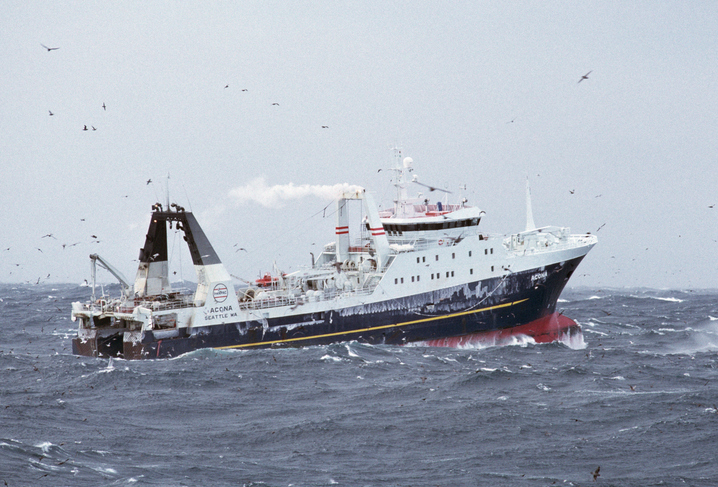
Fishing the brutal waters of the Bering Sea in Alaska (Credit: Natalie Fobes via Getty Images)
The Bering Sea might not feature on many holiday wish lists, and watching TV footage of Alaskan crab fishing makes it fairly obvious why. Since the mid-2000s, camera crews have joined commercial fishermen battling enormous waves, freezing temperatures, dangerous equipment and exhausting conditions in some of the world’s roughest seas. Onboard cameras have shown us heavy crab pots swinging across slippery decks, towering walls of water crashing over vessels and crews working through violent storms.
These aren’t carefully staged adventures, but instead the everyday reality of a truly dangerous job. Television’s given viewers a front-row seat to this daily real-life drama. It’s pretty unforgettable, with very little time for sightseeing.
Watch on Discovery+
The Lost Tunnels of the Incas: Cusco, Peru
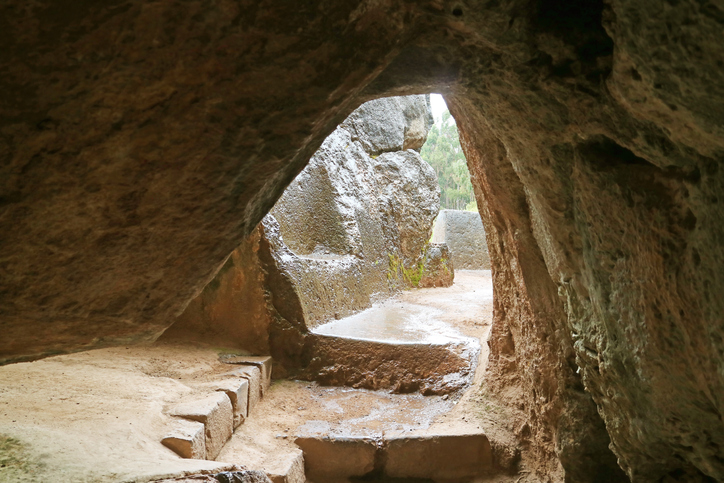
The Cave of Q'enqo in Cusco, Peru (Credit: lovelypeace via Getty Images)
High in the Peruvian Andes, the historic city of Cusco was once the capital of the mighty Inca Empire. Its streets and ancient stonework attract visitors from around the world. Yet beneath the surface lies a far less accessible world. For centuries, stories have circulated about secret passages connecting important Inca sites, including the great fortress of Sacsayhuamán and the Temple of the Sun.
In 2025, archaeologists announced evidence for an extensive underground passage system using research, acoustic techniques and geophysical surveying. Although the proposed network has yet to be fully excavated and explored, televised investigations have allowed audiences to follow the hunt for hidden spaces beneath the ancient city.
The Ultimate Armchair Adventure
Television has given us access to some of the world's most momentous events (Credit: TomasSereda via Getty Images)
From the surface of the Moon to the bottom of the Mariana Trench, TV’s taken us to places that other options just can’t reach. Some are impossibly distant, others dangerously hostile, and a few have been hidden from view for thousands of years. It’s dazzled, enthralled and entertained, and whatever the future holds, chances are the cameras will be right there, alongside the action, just waiting to uncover ever-more imagination-busting broadcasts.