On paper, the Moon landing sounds glorious. Three astronauts, one mighty Saturn V rocket, and a world watching as humanity stepped onto another celestial body. But strip away the epic speeches, the silver suits, and the heroic music, and Apollo 11 starts to resemble something else entirely: the worst camping trip ever attempted.
So what made this historic mission such an extreme outdoor adventure? Pack light, zip up the spacesuit, and step onto the lunar surface.
The Campsite Was 238,000 Miles Away
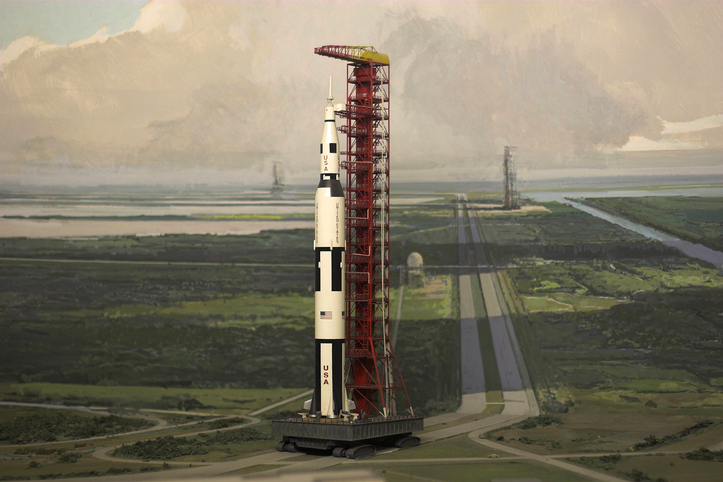
Apollo rocket, Cape Canaveral, Florida (Credit: boxster via Getty Images)
Most bad camping trips begin with a long drive, a missed turning, and someone insisting the site is “just over the next hill.” Apollo 11 raised the stakes rather dramatically. Launched on 16 July 1969, the mission sent Neil Armstrong, Buzz Aldrin, and Michael Collins across roughly 238,000 miles of space towards the Moon, making this less a getaway and more a long-haul anxiety marathon until proven otherwise.
And the destination? Not a shady woodland pitch with a stream nearby, but a lifeless plain called the Sea of Tranquility. Lovely name, terrible facilities. No trees. No grass. No atmosphere. No helpful warden with a torch and a laminated map. Just grey dust, black sky, and the small matter of having to land there manually without crashing.
The Tent Was a Metal Spider
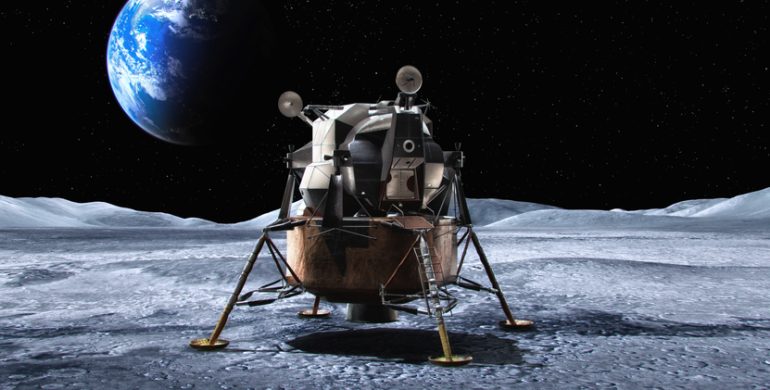
A 3D rendering of the Lunar Module, known as 'Eagle' (Credit: quantic69 via Getty Images)
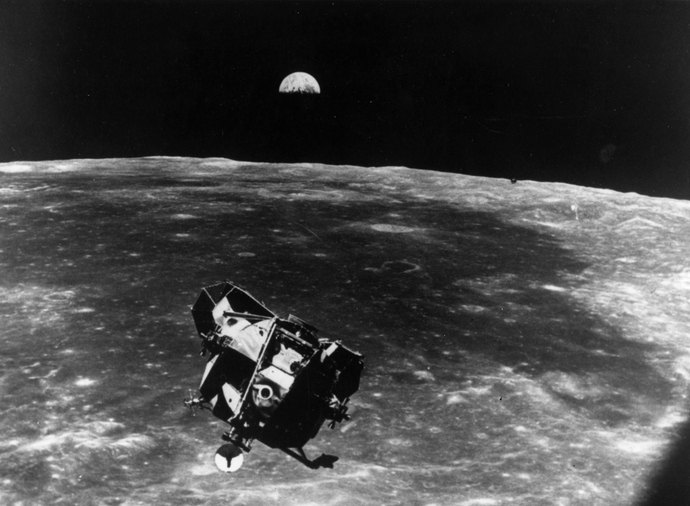
The Lunar Module Eagle was many things: a masterpiece of engineering, a symbol of human ingenuity, and the vehicle that finally carried people to the Moon. What it was not, however, was spacious. Its spindly legs, thin walls, and angular body made it look less like a cosy shelter and more like a camping stove that had grown ambitions.
Armstrong and Aldrin landed the Eagle on 20 July 1969, while Collins remained in lunar orbit aboard the Command Module Columbia. Once down, their “base” was essentially a small metal cabin balanced on another world. There were no sleeping bags by a cheerful fire, no porch for muddy boots, and no gift shop.
Inside, Eagle was astonishingly cramped: roughly the space of a small van, but packed wall-to-wall with controls, switches, equipment, and life-support systems. For Armstrong and Aldrin, it was less breezy glamping chic and more like trying to camp inside a small cupboard full of machinery.
The Arrival Was Not Exactly Relaxing
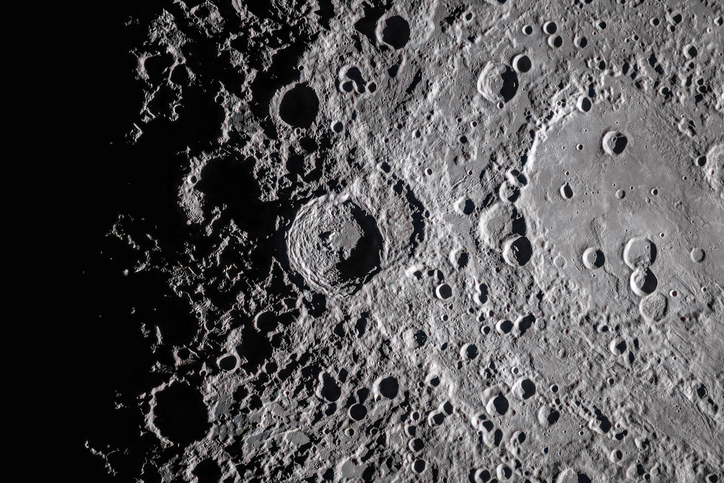
The Moon's surface was far from smooth (Credit: Roberto Machado Noa via Getty Images)
A normal camping arrival involves arguing over tent poles and lighting a barbecue for dinner. Apollo 11 involved alarms, fuel concerns, and Armstrong guiding Eagle away from a hazardous landing area while Mission Control tried very hard not to panic. The lunar landing was a triumph, certainly, but it was also a nerve-shredding descent in which the campsite appeared to be littered with inconvenient boulders.
When Armstrong finally announced that “the Eagle has landed,” it was less the cheerful declaration of a family unpacking the cool box, and more the collective exhale of an entire planet. The mission’s objective had been clear: land humans on the Moon and bring them safely home. Achieving the first part required precision, nerve, and spectacular tolerance for risk.
There Was No Atmosphere, Literally
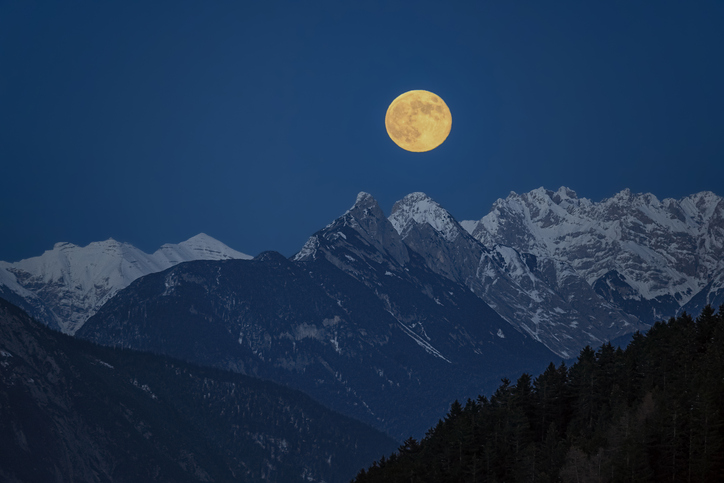
The Moon looks peaceful from Earth, but up close was a different story (Credit: traumlichtfabrik via Getty Images)
Most campers complain about the weather. Apollo 11 had the opposite problem: there wasn’t any. The Moon has no breathable atmosphere, meaning Armstrong and Aldrin could not so much as step outside without wearing life-support systems. Forget fresh mountain air. Their “walk” required sealed suits, oxygen, cooling systems, communications gear, and careful movement in lower gravity.
This made every outdoor activity absurdly complicated. Setting up equipment became a slow-motion exercise. Collecting rocks required planning. Even falling over would have been deeply inconvenient. The lunar surface may have looked still and silent, but it wasn’t peaceful in any earthly sense. It was a vacuum-soaked wilderness where nature had neglected to provide even the basics.
The Ground Was a Dusty Nightmare
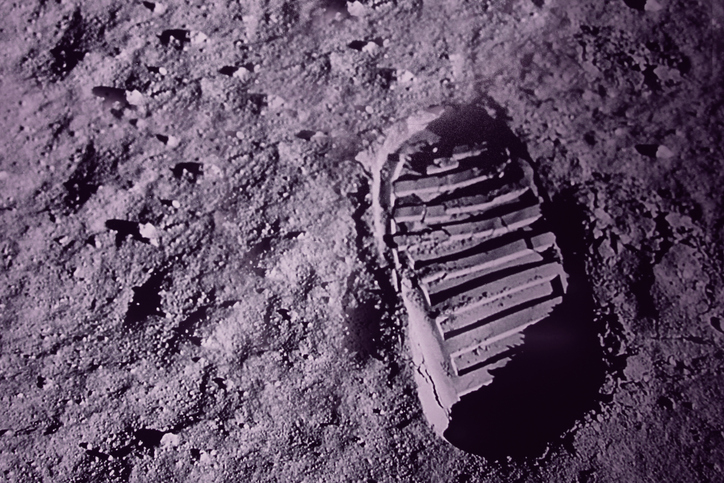
Buzz Aldrin's footprint on the moon (Credit: AJITH ACHUTHAN via Getty Images)
Every seasoned camper knows the misery of mud. Lunar dust, however, brought its own special brand of irritation. Fine, clingy, and everywhere, it stuck to boots, suits, gloves, and equipment. Instead of trudging back into a tent with damp socks, Armstrong and Aldrin returned to Eagle carrying Moon dirt with them.
The dust wasn’t just untidy. It was part of a completely alien environment, one that had never been softened by rain, wind, or weather. Every footprint stayed crisp. Every movement kicked up material that behaved unlike ordinary soil. Apollo 11’s crew collected around 21.5 kilograms of lunar material, which was scientifically priceless, but from a camper’s perspective also sounds suspiciously like bringing home the world’s most expensive mud.
The Outdoor Activities Were Terrifyingly High-Stakes
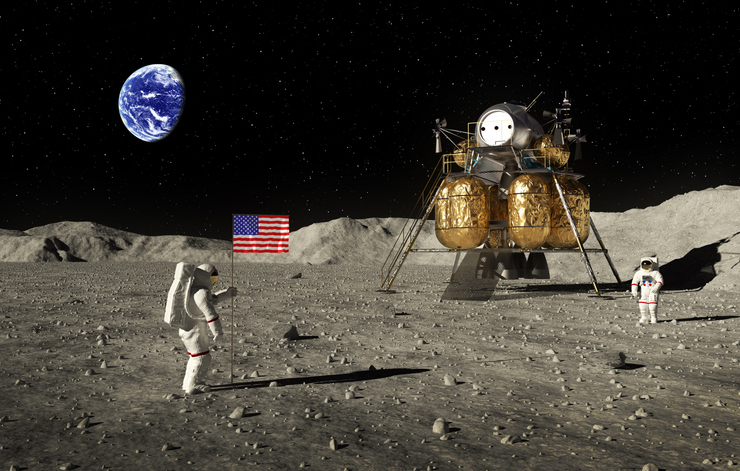
An artist's impression of Neil Armstrong & Buzz Aldrin on the moon (Credit: 3DSculptor via Getty Images)
On most camping trips, activities include walking, cooking badly, and pretending a torch-guided trip to the loo is an adventure. Apollo 11’s activity list was rather more ambitious. Armstrong and Aldrin deployed scientific instruments, planted the American flag, photographed the surface, gathered samples, and became the first humans to walk on another world.
Their moonwalk lasted around two and a half hours, which sounds brief until you remember they were doing it in bulky suits, with limited life support, while being watched by hundreds of millions of people back on Earth. No pressure, then.
Sleeping Arrangements Were Dreadful
Sleeping in space isn't easy... (Credit: Keystone via Getty Images)
After making history, you might expect a hero’s rest. Instead, Armstrong and Aldrin had to try sleeping inside Eagle, still suited up in awkward conditions, on a surface no human had ever slept upon before. There was no soft mattress, no hot drink, no zip-up tent hush broken only by owls. Just switches, panels, equipment, and the faint knowledge that outside the walls lay a world entirely committed to killing them.
Collins, circling alone in Columbia, had the other version of this challenge: the loneliest night shift imaginable. While his crewmates stood on the Moon, he orbited above, responsible for the command module that would bring them all home. It was camping, yes, but with fewer marshmallows and more existential pressure.
Even Nature Had to Follow a Checklist
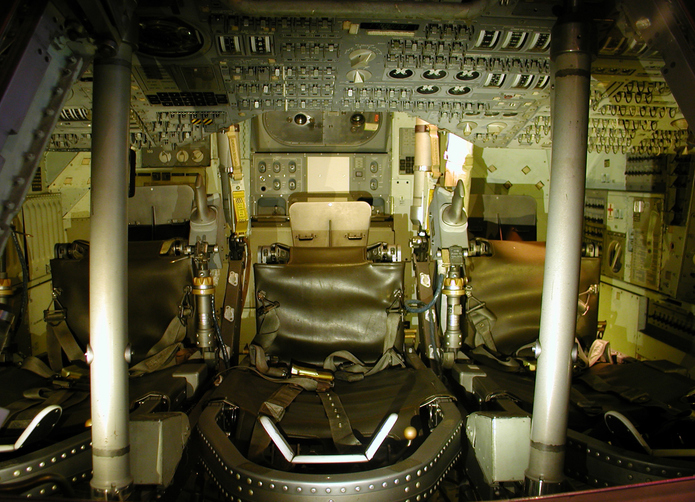
The interior of an Apollo rocket (Credit: fountain_of_useless_info via Getty Images)
This was camping stripped of every comfort, including the dignity of a normal trip to the loo. There was no little door to close, no seat, no flush, and definitely no discreet wander to the campsite toilets with a torch. Instead, the astronauts relied on collection devices, cuffs, hoses, and a specially designed self-contained bag system.
The View Was Beautiful, But Deeply Unhelpful
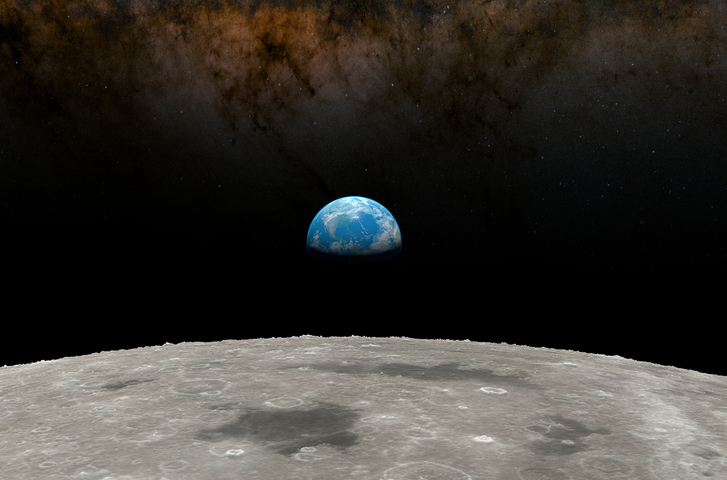
As views go, this isn't half bad! (Credit: NEMES LASZLO/SCIENCE PHOTO LIBRARY via Getty Images)
To be fair, Apollo 11 did offer spectacular scenery. The Earth hanging in the blackness of space remains one of the most powerful images imaginable. The lunar horizon, stark and strange, gave Armstrong and Aldrin a view no camper before them had ever seen. In that sense, the trip was unbeatable.
But beautiful views only get you so far when there’s nothing to eat except packaged space food and no safe way to wander off exploring. The Moon was not a landscape to ramble through at leisure. It was a place to visit carefully, briefly, and with a checklist. Every step mattered. Every minute outside was measured. Even awe had to keep to schedule.
Packing Up Was the Scariest Bit
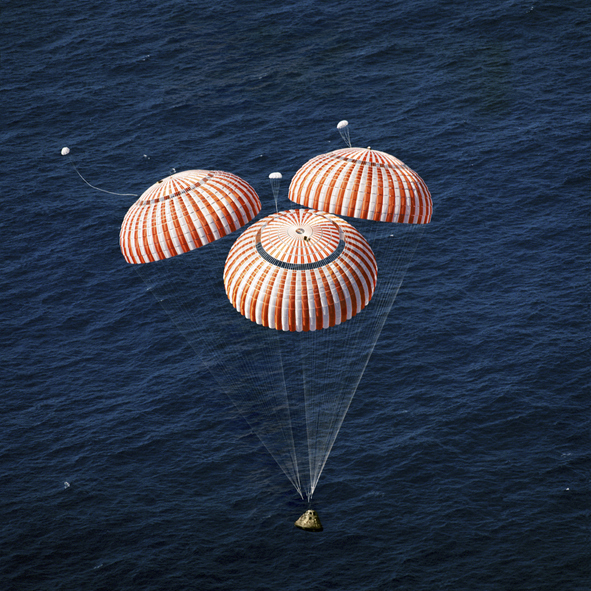
Apollo 16 splashing down in the Pacific Ocean (Credit: Stocktrek Images via Getty Images)
Leaving a campsite is usually tedious. Leaving the Moon was terrifying. Armstrong and Aldrin’s return depended on Eagle’s ascent stage lifting off from the lunar surface and rejoining Collins in orbit. There was no backup taxi, no emergency hotel, and no friendly local with jump leads.
After more than 21 hours on the lunar surface, Eagle lifted off on 21 July 1969 and later docked with Columbia. Only then could the crew begin the journey back to Earth, eventually splashing down safely in the Pacific on 24 July. The full mission lasted just over eight days, but as outdoor excursions go, it packed in rather more jeopardy than your average bank holiday break.
One Small Step, One Terrible Campsite
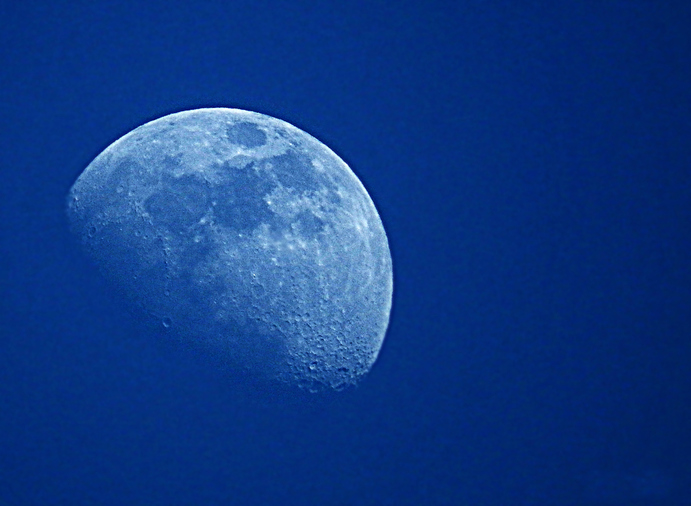
Not recommended as a camping destination! (Credit: japatino via Getty Images)
Apollo 11 was one of humanity’s greatest achievements, but judged purely as an outdoor adventure, it was absolutely horrendous. The Moon had no air, water, warmth, wildlife, shelter, comfort, or escape route worth thinking about too closely. Yet that was precisely what made the mission extraordinary. Armstrong, Aldrin, and Collins turned the most hostile campsite imaginable into the setting for one of history’s defining moments. Worst camping trip ever? Almost certainly. Greatest story around the campfire? Without question.