History is filled with figures who straddled the line between reality and myth, and no period more so than the Viking Age. Figures such as Erik the Red, Ragnar Lothbrok, and Thorvald Eiriksson echo through the centuries, their deeds – whether heroic or horrifying – were passed down through oral tradition and the written word. The Norse world produced many such legends, but none quite like Egil Skallagrimsson, the poet-warrior whose rage was famously fearsome and whose words were beguilingly beautiful. A man celebrated for his brilliance and feared for his brutality, his name became a byword for the wild at heart world of the Vikings.
So was Egil Skallagrimsson the marauding berserker of dark legend, or a misunderstood genius whose poetry offered insight into a troubled soul? Can the blood-soaked battles and curses described in Egil’s Saga be traced to real history, or are they the inventions of storytellers seeking to embody the Viking spirit in one larger-than-life man?
Step into the saga of Egil Skallagrimsson, where poetry meets prophecy, and the truth remains tantalisingly elusive.
Origins: The Making of a Viking Poet
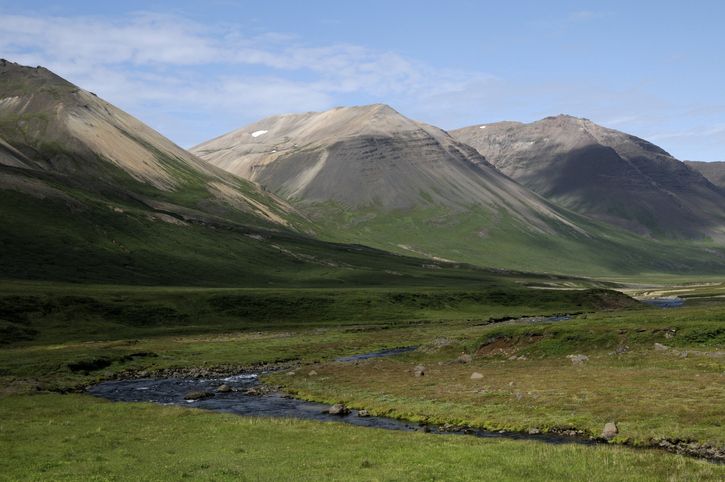
Borg, the birthplace of Egil Skallagrimsson (Credit: Michael Nitzschke via Getty Images)
Egil Skallagrimsson was born around 910 AD to Skalla-grimr Kveldulfsson and Bera Yngvarsdóttir, in the farming settlement of Borg in western Iceland. His father was a fierce settler from Norway, a man said to have had a formidable temper and rumoured supernatural power, while his mother may have been descended from a noble line. It’s believed Egil had three siblings, two sisters called Sæunn and Þórunn (pronounced Si-oon and Thoroon) and a brother, Þorolfr, pronounced Thorolf.
Egil was raised in the shadow of his violent father, a brutal man who – among other harsh deeds – was said to have killed Egil’s friend in a fit of rage during a ball game. From an early age, Egil inherited both his father’s ferocity and a poetic gift said to come from his grandfather, Kveld-Ulfr Bjálfason, a powerful mix that would shape his turbulent life. Although there was a cold distance between father and son, Egil stayed on the family farm at Borg and eventually inherited his father’s position.
The sagas, most notably Egil’s Saga – from where almost all the information about his life comes – describe how he composed his first verse at the age of three, a rare spark of genius in a world where poetry was as prized as prowess with the sword. However, as his creative talent blossomed, so did his temper.
Accounts describe him killing his first rival aged seven, a shocking act that hinted at the storm that was to come. Even in the often brutal, honour-bound society of early Iceland, Egil – sometimes spelled Egill – Skallagrimsson stood out. He was a child of violence and verse, and he would go on to carve his legend, literally and metaphorically, in the story of the Vikings.
Egil’s Saga: Between History & Legend
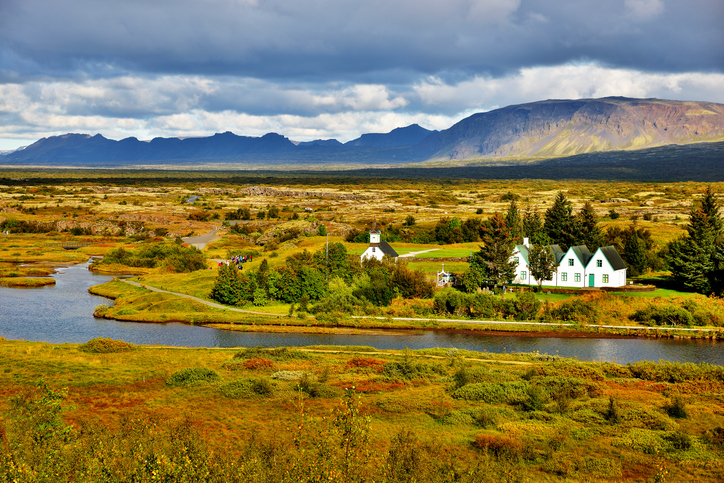
Thingvellir rift valley with the Althing, the Icelandic Parliament (Credit: Sizun Eye via Getty Images)
Most of what we know about Egil Skallagrimsson comes from Egil’s Saga, a sweeping thirteenth century Icelandic text usually dated to somewhere between 1220 and 1250 AD. It’s often attributed to famous Icelandic historian, poet, and politician Snorri Sturluson, twice elected lawspeaker of Althing, the Icelandic Parliament, and is as much a biography as a mythology. Sturluson, who claimed to have been a descendant of Egil, paints him as a scholar and savage, sorcerer and swordsman.
Yet while the saga of Egil Skallagrimsson is the sole extended narrative source for his life, historians tread carefully. The saga was composed over two centuries after Egil’s own lifetime, stitched together from oral tradition and family legend. How much of it is true, and how much the creation of descendants looking to glorify their legendary ancestor, is a topic of ongoing debate.
However, within its pages are true reflections of Viking society – codes of honour, reverence for poetry, and an uneasy embrace of magic and sorcery. Whether it records history or reinvents it, Egil’s Saga kept the warrior-poet alive in Icelandic imagination.
Egil the Warrior
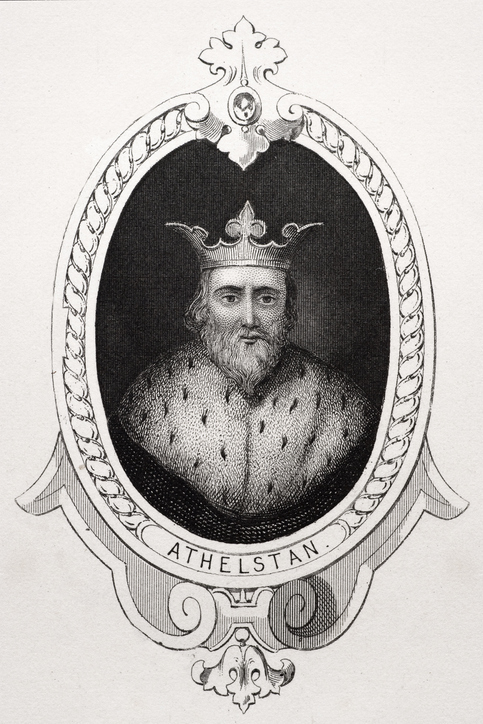
Egil was said to have served King Athelstan of England (Credit: duncan1890 via Getty Images)
From an early age, Egill Skallagrimsson was reputedly a fighter of frightening skill and unrelenting fury. In the saga, Egil fought in Norway, and joined Viking expeditions across Scandinavia.
In the British Isles, he was said to have served King Athelstan of England, taking part in a major battle usually identified with Brunanburh in 937, where Athelstan defeated a coalition led by Olaf Guthfrithsson, King of Dublin, and included Constantine II, King of Scotland, and Owain, King of Strathclyde. Indeed the Battle of Brunanburh is said by some to be the origin point of English national identity, and according to a number of historians, the most significant battle in the history of the British Isles.
Earlier and later episodes depict Egil killing rivals, feuding with Norwegian rulers including Eirik Bloodaxe, and being outlawed for his more terrifying deeds.
Egil the Poet
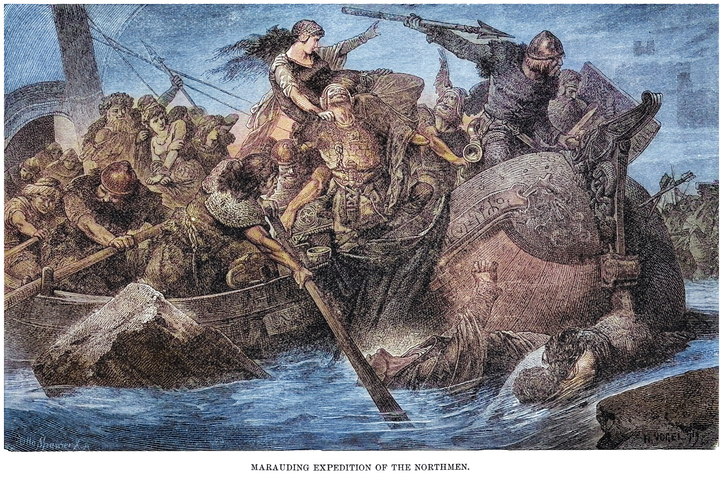
Egil went from marauding beserker to thoughful poet (Credit: mikroman6 via Getty Images)
In moments between carnage, Egil Skallagrimsson’s voice is said to have turned lyrical. His verses, composed in strict skaldic metre (a specific way of writing Old Norse poetry between the ninth and thirteenth centuries), revealed a mind capable of extraordinary artistry – poetry that celebrated victory, mourned loss, and grappled with mortality.
He’s widely regarded in modern scholarship as one of the greatest Icelandic poets. Among the most significant works attributed to him are Sonatorrek (“Loss of Sons”), a 25‑stanza lament for his sons Gunnar and Böðvarr, and Höfuðlausn (“Head‑Ransom”), a praise poem composed to avert execution by King Eirik Bloodaxe. Sonatorrek, preserved within the saga, moves through stages of grief, anger at the gods, and eventual resignation.
Egil the Sorcerer
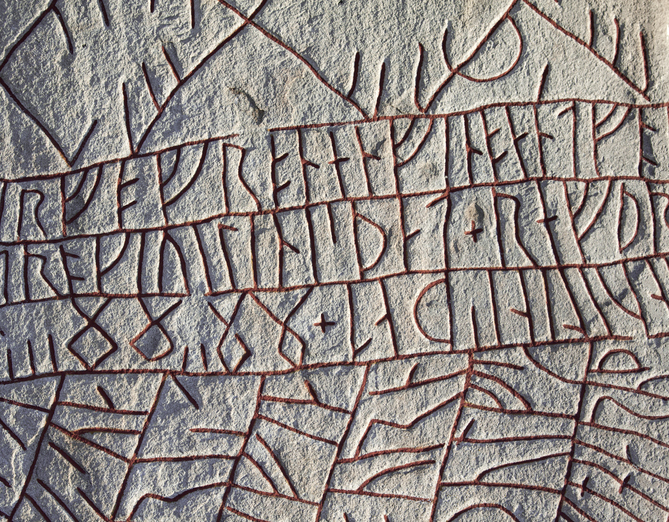
Did his carved runes lead a young girl back to health? (Credit: Pyroe via Getty Images)
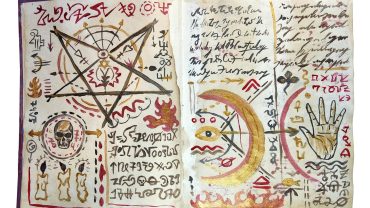
Egil’s Saga also suggests he was a man who wielded supernatural forces with easy confidence. In one episode, he was said to have inspected a whale‑bone inscribed with faulty runes that made a farmer’s daughter ill. He scraped them off and burnt them, then carved new runes in their place, leading to a miraculous recovery. In another, he suspects a poisoned drink at a feast, carves runes into the horn, smears them with his blood, and the horn shatters, spilling the ale. He’s also said to have created a runic curse against his long-time nemesis, Eirik Bloodaxe. Whether these tales were legend or literal, they elevated Egil Skallagrimsson to literary fame, and transformed him into something closer to a figure from folklore.
Egil Skallagrimsson: The Man Beneath the Myth
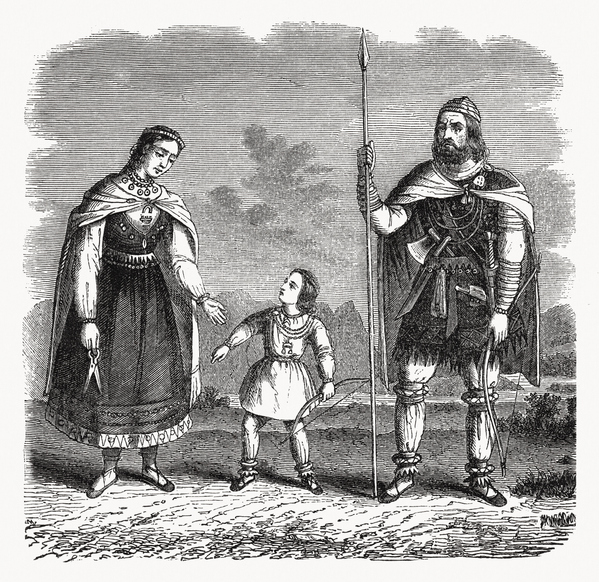
Egil Skallagrimsson was a loyal husband and father (Credit: ZU_09 via Getty Images)
Behind the battles and curses, the Skallagrimsson saga describes a family life marked by tension, loyalty, and devastating loss.
Husband & Father
As a husband and father, a different side of Egil surfaces. He marries Ásgerðr, the widow of his brother Thorolf, and fights a long legal battle in Norway to secure her inheritance, showing a careful and stubborn commitment to her rights. Egil’s Saga lists five children from this marriage, and it’s the deaths of his sons Gunnar and Böðvarr that bring Egil to the brink, only for his daughter Thorgerd to draw him back by urging him to compose Sonatorrek.
Loyal Friend
Loyalty is also a strong theme in the saga of Egil Skallagrimsson and offers a glimpse of warmth and steadfastness. He stood by his family in inheritance disputes and blood feuds, pursued compensation or vengeance when family honour was at stake, and maintained lasting bonds with allies who supported him.
When Poetry Saved His Life
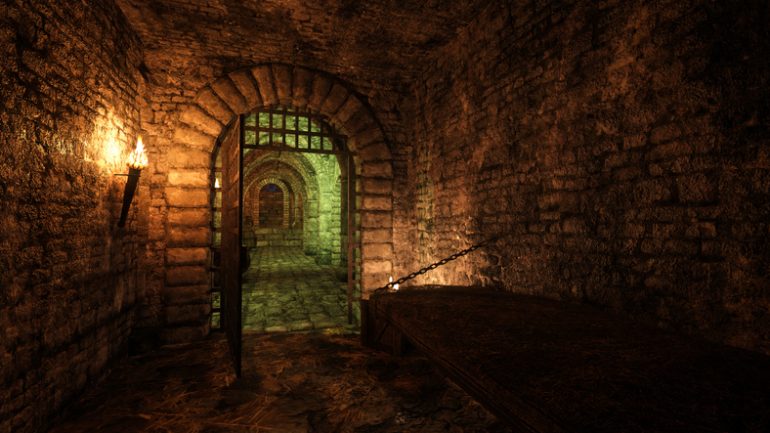
Egil spent his last night writing a poem that saved his life (Credit: IanGoodPhotography via Getty Images)
Egil Skallagrimsson became a prisoner of Eirik Bloodaxe after years of escalating feud, sparked by Egil killing the king’s retainer Bárðr of Atley in a quarrel at a feast. Later outlawed in Norway, Egil killed Eirik’s son Ragnvald. Then, Egil became shipwrecked off Northumbria where, unfortunately for him, Eirik ruled in exile. He was recognised, captured, and brought before the king, who ordered his execution.
According to the sagas, Egil was granted a night’s reprieve, and used that night not to attempt escape, but to compose a drápa, a style of Old Norse poem typically composed to praise kings, heroes, or gods. By morning, he presented Höfuðlausn (“Head‑Ransom”), a poem so artful that Eirik spared his life.
Egil’s Legacy

He spent his final years in the rugged landscape of Mosfellsbær (Credit: Erik Hecht via Getty Images)
Egil Skallagrimsson died in the final years of the tenth century, most likely somewhere between 990 and 995 AD, in Mosfellsbær, close to Reykjavik. Today, he remains a famous figure in Icelandic history, while his poems are studied to this day. From rune stones and poetry to battles, feuds and folklore, the story of Egil Skallagrimsson turned a famed historical figure into a legend that’s lasted for centuries.