To many readers, Arthur Conan Doyle is forever linked with a deerstalker, a pipe, and the foggy streets of Victorian London. Yet the creator of Sherlock Holmes was far more than the man behind Baker Street’s most famous detective. He was a doctor, sportsman, campaigner, war correspondent, historian, spiritualist, and public figure whose life often seemed as eventful as any of his stories.
From medical school lecture halls to Arctic whaling ships, from criminal justice campaigns to séances and fairy photographs, Conan Doyle’s world stretched well beyond fiction. So, who was the real man behind the great detective? The game, as someone may have said, is afoot.
Edinburgh Roots and Early Imagination
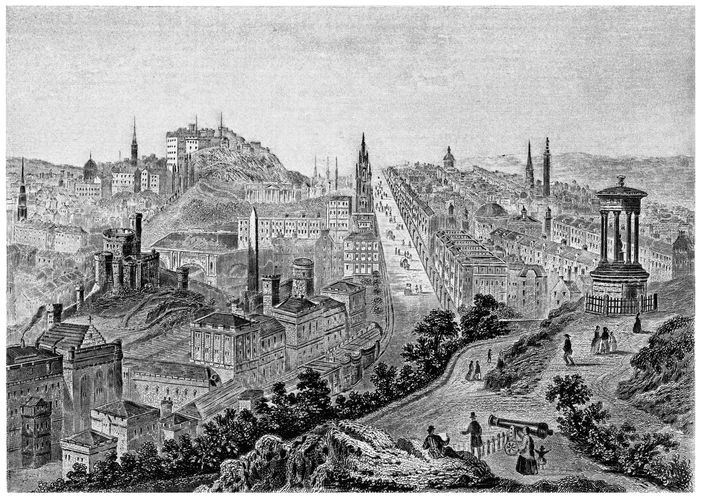
Conan Doyle was born in Victorian Edinburgh (Credit: mikroman6 via Getty Images)
Arthur Ignatius Conan Doyle was born in Edinburgh on 22 May 1859 to a family rich in Irish Catholic heritage, artistic talent, and financial difficulty. His father, Charles Doyle, was an illustrator whose struggles with alcoholism and mental illness cast a long shadow over the household. His mother, Mary, by contrast, was a gifted storyteller who filled young Arthur’s imagination with tales of chivalry, history, and heroic adventure. Edinburgh itself also left its mark: a city of dark closes, intellectual ambition, and medical innovation.
The Doctor Who Learned to Observe
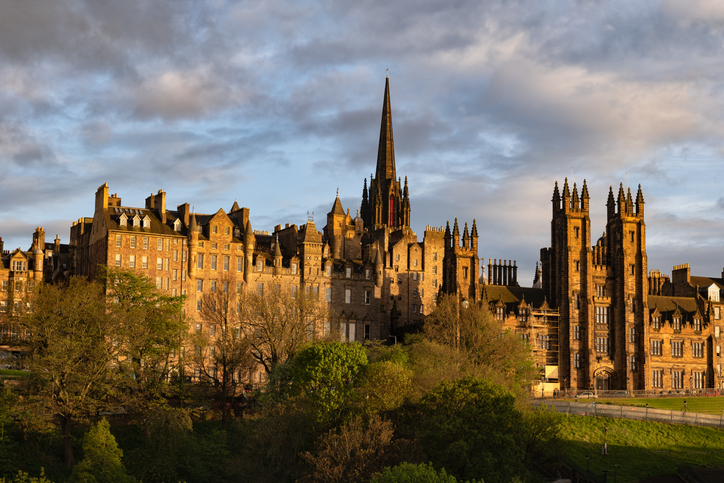
He attended the University of Edinburgh (Credit: Artur Bogacki via Getty Images)
Before Conan Doyle became a literary name, he trained as a doctor at the University of Edinburgh. There he encountered one of the most important influences on his career: Dr Joseph Bell, a surgeon renowned for his astonishing powers of deduction. Bell could often infer a patient’s occupation, habits, or recent movements from the smallest details.
Sound familiar? Conan Doyle later drew heavily on Bell when creating Sherlock Holmes. The detective’s cool logic, forensic attention to detail, and theatrical deductions all owe something to those medical demonstrations.
A Young Doctor at Sea
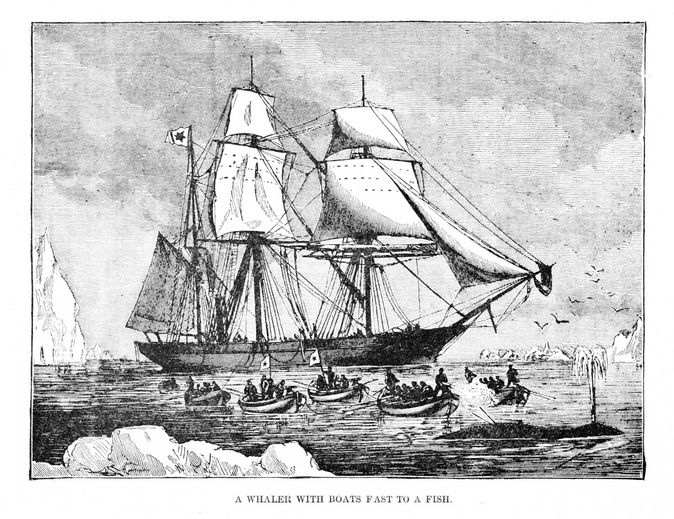
Arthur Conan Doyle was the surgeon on The Hope aged just 21 (Credit: Christine_Kohler via Getty Images)
Conan Doyle’s medical education was not confined to lecture halls and consulting rooms. In 1880, while still a medical student, he signed on as surgeon aboard the Arctic whaler Hope. The voyage gave a taste for adventure that never entirely left him.
After completing his initial medical qualification in 1881, he headed to sea again, serving as ship’s doctor on the SS Mayumba during a voyage to West Africa. It was a different kind of ordeal: heat, illness, discomfort, and disillusionment rather than ice and whale boats. Both journeys fed his imagination, with real tales of exploration, empire, courage, and peril.
Having earned his MD in 1885, Conan Doyle then undertook various medical roles, including a couple of ventures opening his own practices. Throughout this time though, he was writing.
The Birth of Sherlock Holmes
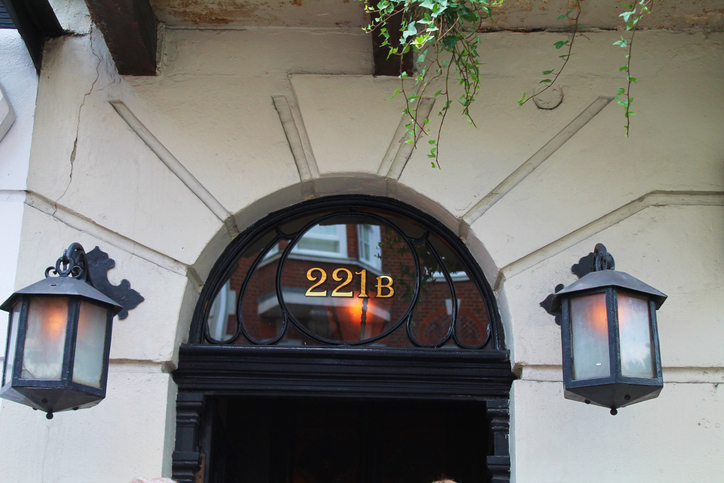
221b Baker Street, London. One of the most famous fictional addresses in the world (Credit: Cretex via Getty Images)
Sherlock Holmes first appeared in A Study in Scarlet in 1887. The story introduced the brilliant detective, his loyal chronicler Dr John Watson, and the rooms at 221B Baker Street that would become among the most famous fictional addresses in the world.
At first, Holmes did not make Conan Doyle instantly rich or universally known. That changed when the short stories began appearing in The Strand Magazine. Readers were engrossed in the detective’s sharp intellect, eccentric habits, and apparently magical ability to solve the unsolvable.
Holmes felt modern. He used chemistry, footprints, tobacco ash, disguise, and logic at a time when detective fiction was still finding its form. Yet Conan Doyle’s greatest trick may have been Watson, whose warmth and admiration made Holmes not merely clever, but unforgettable.
The Author Who Tried to Escape His Detective
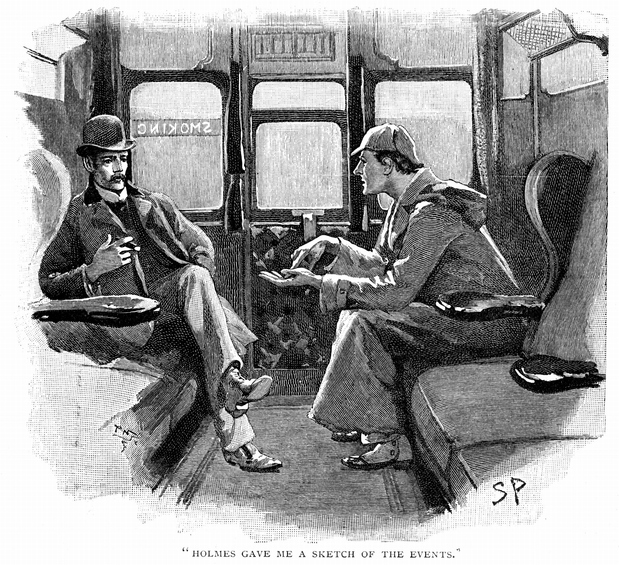
Sherlock Holmes & Dr John Watson (Credit: Photos.com via Getty Images)
For all Holmes’s success, Conan Doyle had mixed feelings about him. He wanted to be recognised for historical novels, serious fiction, plays, and works of national importance. Like a typecast actor with one iconic role, for Conan Doyle Holmes was something of a double-edged sword: profitable, popular, but impossible to leave.
In 1893, he attempted to free himself by sending Holmes over the Reichenbach Falls with Professor Moriarty in The Final Problem. Readers were outraged. Some reportedly wore mourning bands, while thousands cancelled subscriptions to The Strand. Few authors have been so dramatically reminded that their creation no longer fully belonged to them.
Eventually, Conan Doyle brought Holmes back, first in The Hound of the Baskervilles and then in new adventures. The detective had survived not just the dangers of Moriarty, but those of his own creator.
Life at Home
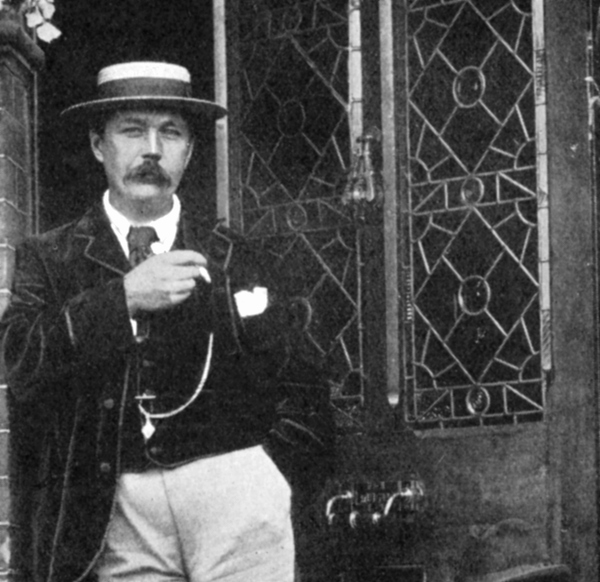
Sir Arthur Conan Doyle (Credit: Photos.com via Getty Images)
Beyond his public life and fictional creations, Conan Doyle had a rich private life. In 1885, he married Louisa Hawkins, often known as Touie. The couple had two children together, Mary and Kingsley. Louisa remained part of his life through the years in which Holmes transformed him from struggling doctor-writer into literary celebrity. Her death in 1906, after a long illness, was a profound blow. In 1907, Conan Doyle married Jean Leckie. They had three children: Denis, Adrian, and Jean.
Sport was another constant. Conan Doyle played cricket, rugby, football, golf, billiards, and more, and also enjoyed archery and shooting. Yet boxing was his great favourite. It appealed to his sense of discipline, courage, fair play, and physical nerve; qualities he admired in life as much as in fiction.
Campaigner for Justice
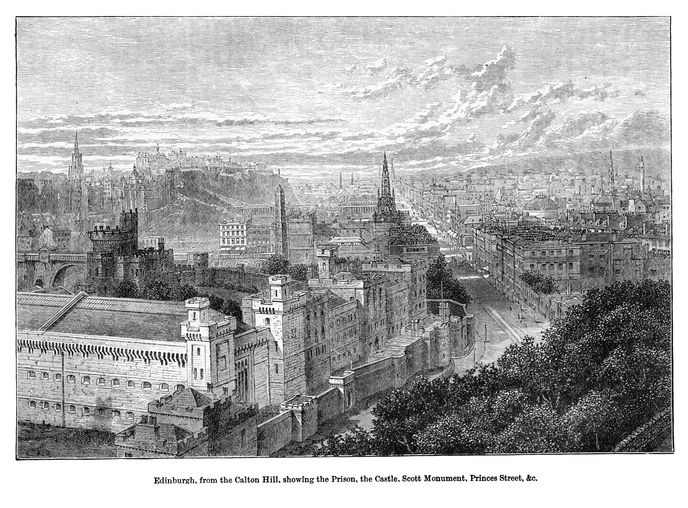
Conan Doyle campaigned for justice (Credit: mikroman6 via Getty Images)
As well as writing and campaigning on issues ranging from support for compulsory vaccination to military reform, Conan Doyle became involved in real criminal cases, using his public profile and investigative instincts to challenge miscarriages of justice. Most famously, in 1907, he helped campaign for George Edalji, a young solicitor wrongly convicted in a case involving animal mutilation. Conan Doyle examined the evidence, questioned assumptions, and publicly argued that prejudice had helped drive the conviction. His efforts contributed to Edalji receiving a pardon. He also supported Oscar Slater, who’d been convicted of murder in Scotland in 1909. Once again, Conan Doyle believed the case was deeply flawed.
These campaigns showed another side of him: not the detached puzzle-maker, but the public moralist, determined truth should matter outside the pages of a detective story.
War, Patriotism, and Public Life
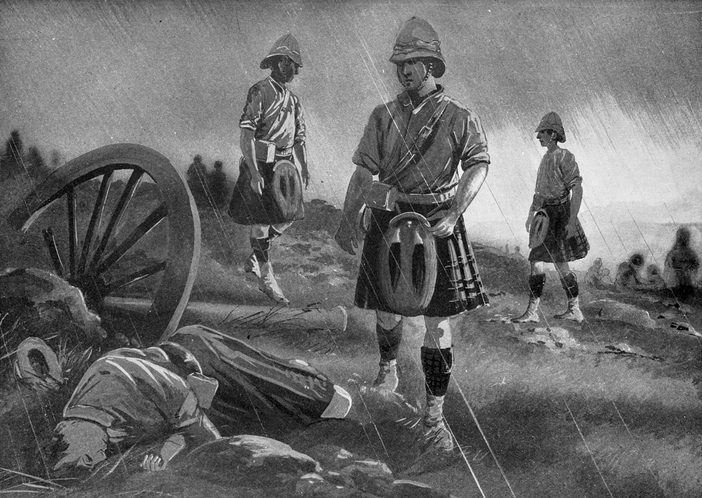
British soldiers at the Battle of Talana Hill in the Second Boer War (Credit: powerofforever via Getty Images)
During the Second Boer War, at age 40, Conan Doyle volunteered as a doctor in South Africa and later defended Britain’s conduct in a widely circulated pamphlet. His public service and writings helped earn him a knighthood in 1902.
He also wrote histories, political essays, and works on warfare. During the First World War, too old for active combat, he sought ways to contribute through writing, organisation, and public advocacy. This was Conan Doyle the Edwardian public figure: energetic, opinionated, sometimes controversial, and eager to be useful.
The Spiritualist Turn
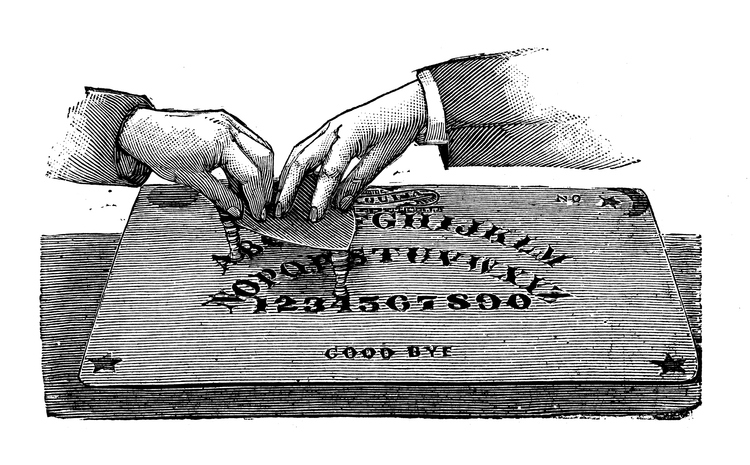
The creator of Sherlock Holmes was also interested in the supernatural (Credit: ilbusca via Getty Images)
Perhaps the most surprising chapter in Conan Doyle’s life was his passionate commitment to spiritualism. After years marked by bereavement, including the deaths of close family members, he became convinced that communication with the dead was possible.
To many, this seemed baffling. How could the creator of Sherlock Holmes, fiction’s great apostle of logic, embrace mediums, séances, and supernatural claims? Yet Conan Doyle saw no contradiction. To him, spiritualism was not fantasy but evidence of a larger reality, one that science had not yet fully understood.
His belief led him into controversy, including his support for the famous Cottingley Fairies photographs. For admirers of Holmesian scepticism, it remains one of the strangest twists in the Conan Doyle story.
More Than One Literary Legacy
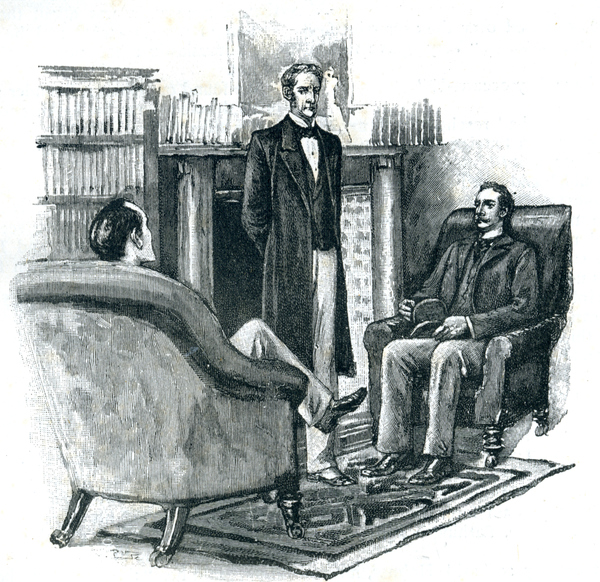
The sitting room at 221b Baker Street was immortal (Credit: RockingStock via Getty Images)
Sherlock Holmes may dominate Conan Doyle’s reputation, but his writing ranged far beyond detective fiction. He created Professor Challenger, the bold and blustering scientist of The Lost World, a novel which helped shape the adventure and science-fiction genres. He also wrote historical novels, supernatural tales, plays, poetry, and military histories. Still, there is a certain irony at work. Conan Doyle created many worlds, but it was the small sitting room in Baker Street that became immortal.
Beyond Baker Street
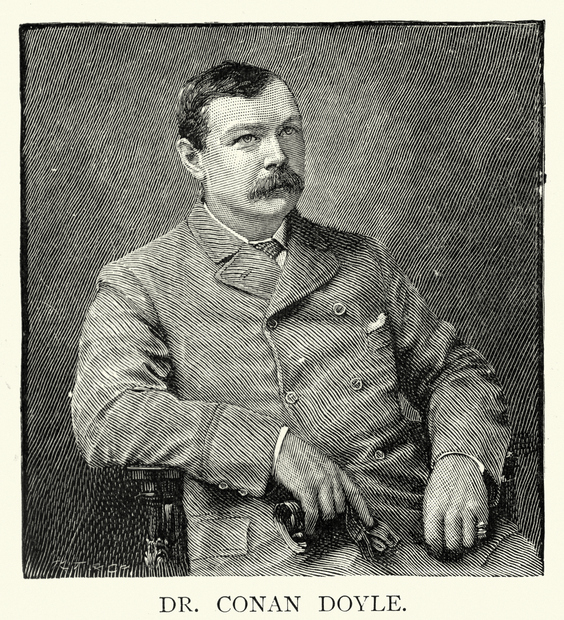
Arthur Conan Doyle, British writer, creator of Sherlock Holmes (Credit: duncan1890 via Getty Images)
Arthur Conan Doyle died in 1930 with a wealth of experiences and achievements to his name. Yet he was also a storyteller who could never quite outrun his own creation. While his exploits ventured far beyond Baker Street, his legacy remains very much rooted in that one, iconic address.