Few composers have lodged themselves so firmly in the fabric of everyday life as Pyotr Ilyich Tchaikovsky. To this day, his music is interwoven into culture, from The Nutcracker filling theatres every Christmas to the unmistakable strains of the 1812 Overture ringing out far beyond the concert hall.
But who was he? On the surface, he was a Russian composer born in the industrial town of Votkinsk on 7 May 1840, with an extraordinary catalogue to his name: seven symphonies, eleven operas, three ballets, three piano concertos and eleven overtures. Impressive, certainly, but those are only the headlines. So, rather than sticking to the greatest hits, we’re pulling back the curtain on the lesser-known details about Tchaikovsky, because sometimes it’s the quietest notes that tell the richest story.
He Swapped an Office Job for Opera
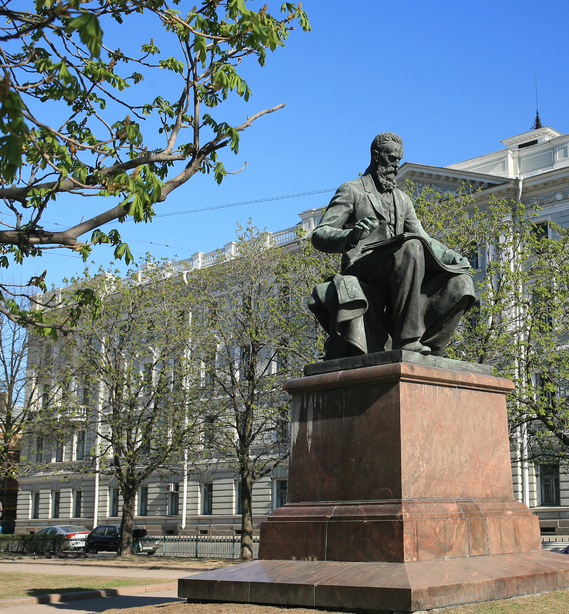
The N. A. Rimsky-Korsakov Saint Petersburg State Conservatory (Credit: WorldWideImages via Getty Images)
Before he wrote a single symphony, Tchaikovsky was on course for a life in government. Although he showed clear musical ability from an early age and took piano lessons as a child, his parents never saw music as a viable or respectable career, and steered him firmly elsewhere.
Nine years at the Imperial School of Jurisprudence were followed by four more behind a desk at the Russian Ministry of Justice. It wasn’t until the age of 22 that he finally walked through the doors of the newly founded Saint Petersburg Conservatory.
An Outsider Among Russian Composers
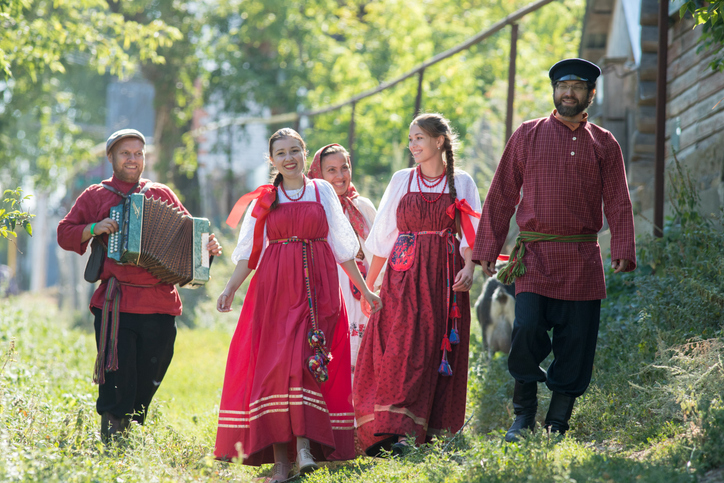
The Five believed Russian music should come from folk tradition (Credit: Studia72 via Getty Images)
Enrolling at the Saint Petersburg Conservatory thrust Tchaikovsky into the centre of the defining musical argument of his era. Formal conservatory training carried a European, academic flavour that many Russians viewed with suspicion, particularly The Five – a nationalist composer collective who believed Russian music should spring from folk tradition, not Western schooling. Too European for the nationalists, too Russian for the classicists, Tchaikovsky belonged to neither camp. But that uncomfortable middle ground became his creative opportunity. He fused European structural discipline with Russian emotional intensity, and the resulting tension didn’t weaken his music, it supercharged it.
He Hero-Worshipped Mozart
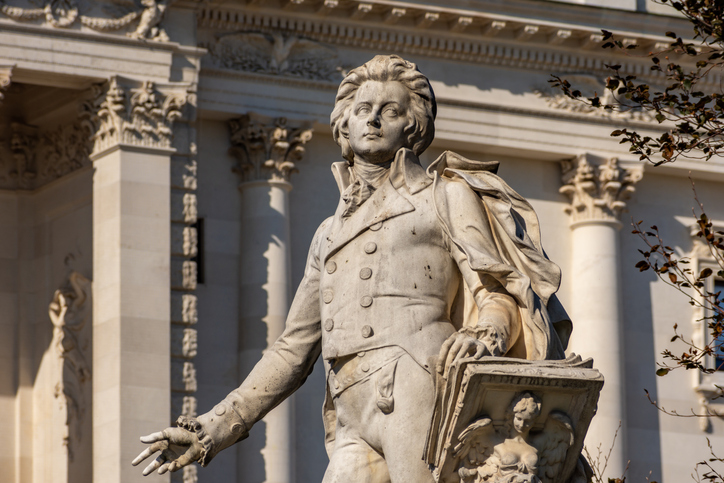
Tchaikovsky was devoted to Mozart (Credit: Vladislav Zolotov via Getty Images)
Many composers have musical heroes, but Tchaikovsky’s devotion to Mozart bordered on reverence. He didn’t simply admire him; he saw in Mozart a kind of ideal, a model of musical grace and balance that he couldn’t stop chasing. Tchaikovsky was drawn to the elegance of Mozart’s writing, even though his own works often surged with far darker and more turbulent feelings. That admiration found its way directly into his music. His orchestral suite Mozartiana was composed as a tribute, built from arrangements of Mozart’s lesser-known works.
He Had a Pen-Pal Patroness
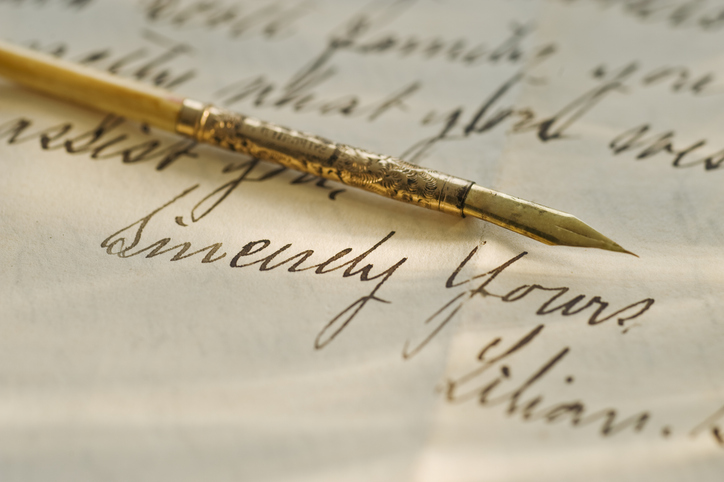
Tchaikovsky and Madame von Meck wrote to each other for fourteen years (Credit: Tetra Images via Getty Images)
For 14 years, Tchaikovsky received a generous annual stipend from Nadezhda von Meck, a wealthy widow and passionate admirer of his music. Such patronage was not unusual. But the manner of the arrangement was. Specifically, von Meck explicitly stipulated that the two should never meet in person. Instead, they communicated exclusively through letters, over 1,200 of which survive. This alone was strange, but it went further. On the one occasion they accidentally encountered each other in person. In that instant, both parties pretended not to recognise the other.
Nevertheless, Von Meck’s financial support allowed Tchaikovsky to resign from his teaching post in 1878 and devote himself entirely to composition. The relationship ended abruptly in 1890, when von Meck wrote to Tchaikovsky claiming financial ruin and severing contact. Historians have long debated the true reasons behind the sudden break, and the episode remained a source of considerable pain to Tchaikovsky until his death three years later.
He Had a Brief and Disastrous Marriage
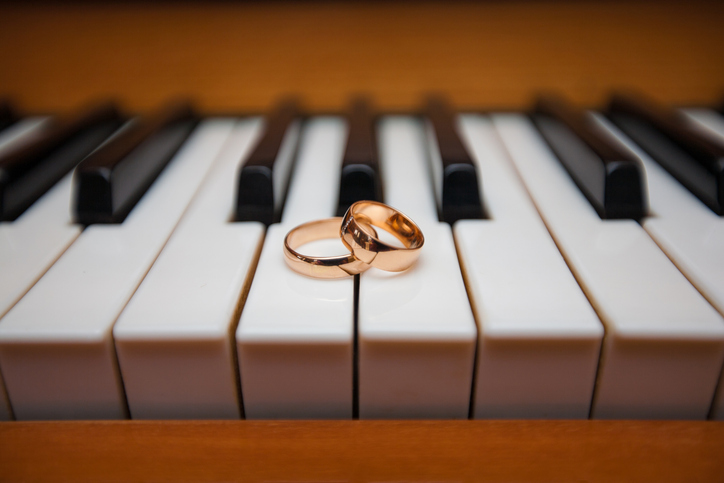
Tchaikovsky's marriage in 1877 affected him deeply (Credit: Oleh Tsyb / 500px via Getty Images)
In 1877, Tchaikovsky married Antonina Miliukova, a former student of the Moscow Conservatory who had written him a series of increasingly insistent love letters. The union was catastrophic almost from the outset. The couple separated after only a few weeks, and Tchaikovsky suffered severely in the aftermath.
Antonina later contested various accounts of the marriage and lived until 1917, spending her final years in a psychiatric institution. The circumstances of the marriage, and Tchaikovsky’s motivations for entering it, have been the subject of considerable scholarly discussion over the decades since.
His Most Famous Works Made Dismal First Impressions
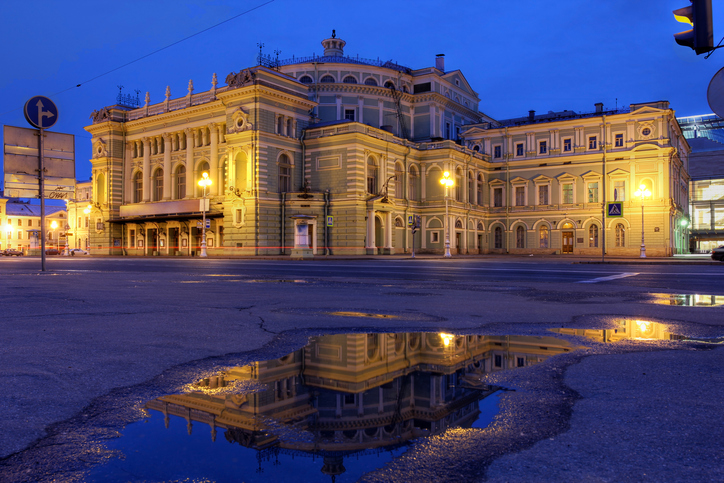
The Nutcracker Suite premiered at the Mariinsky Theatre in Saint Petersburg (Credit: Bogdan Lazar via Getty Images)
Several of Tchaikovsky’s most beloved works were initially poorly received. For instance, his friend, the pianist and conductor Nikolai Rubinstein, had a famously withering initial reaction to the First Piano Concerto, declaring it badly written and unplayable. Yet it became one of the most performed in history.
Swan Lake fared no better at its 1877 premiere, undone by choreography that couldn’t meet the music and critics who were, at best, polite. It took later restaged productions to reveal what the ballet actually was. The Nutcracker received similarly short shrift when it premiered at the Imperial Mariinsky Theatre in December 1892: too long, reviewers said, and musically underwhelming. Only gradually, and especially following a celebrated 1944 San Francisco Ballet production, did it achieve the status it holds today: a seasonal institution that now accounts for nearly half of many ballet companies’ annual revenue. In each case, the work simply outlasted the verdict.
The 1812 Overture Was a Hit He Didn’t Fully Trust
Tchaikovsky wasn't convinced by the 1812 Overture (Credit: Filip Warulik via Getty Images)
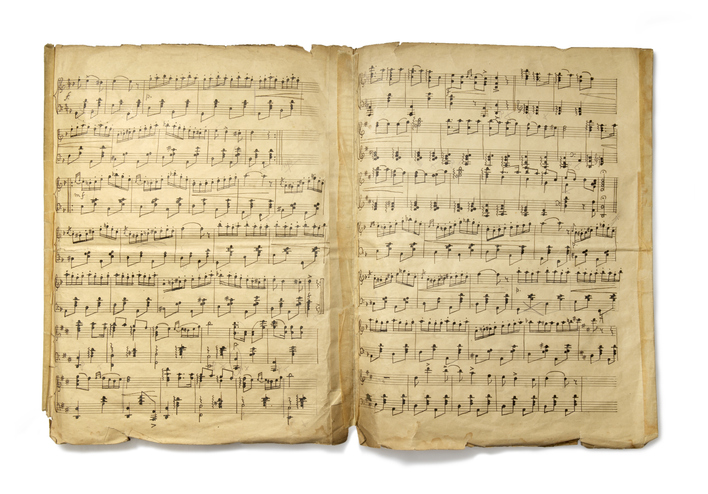
Cannons. Bells. Brass. For many, the 1812 Overture is one of the loudest and most theatrically satisfying pieces in classical music, a guaranteed crowd-pleaser whenever it appears. And appear it does. Frequently. Usually as a backdrop for fireworks, especially in the US on Independence Day, for which it has become an unofficial anthem. But Tchaikovsky himself was not especially convinced by it. In fact, in a letter in October 1880, he told von Meck that it was “very loud and noisy” and written “without any warm and loving feelings, and consequently it will probably be lacking in artistic merit.” History, however, had other plans. The overture became one of his most famous compositions, loved precisely for the qualities that made it such a spectacular showpiece.
A Stormy Swan Song
Tchaikovsky's tomb at the Alexander Nevsky monastery in St Petersburg (Credit: leoaleks via Getty Images)
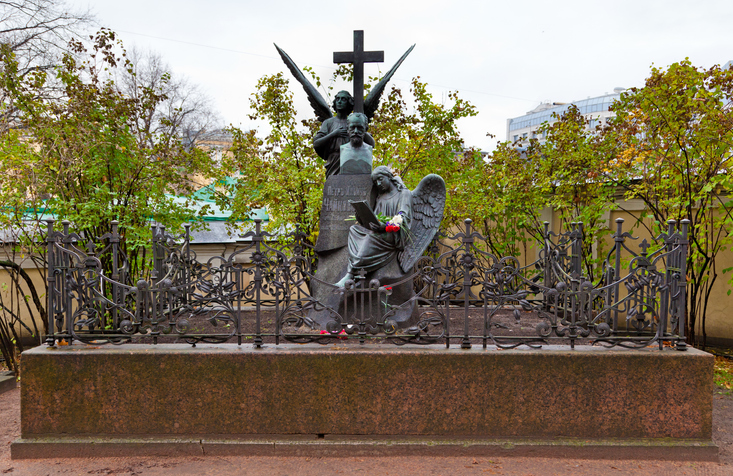
On 28 October 1893, Tchaikovsky conducted the premiere of his Symphony No. 6, also known as the Pathétique, meaning melancholy. And the piece lives up to its name. With its stormy start, mix of warmth and strength in the middle and quiet, defeated fade, it’s often interpreted as an expression of emotional collapse. So, when Tchaikovsky died just nine days after this debut, speculation ensued that he took his own life. This was despite the official cause being named as cholera. Whispers and theories persist to this day, but are generally dismissed.
The Grand Finale
Pyotr Ilyich Tchaikovsky (1840 - 1893) (Credit: ZU_09 Getty Images)
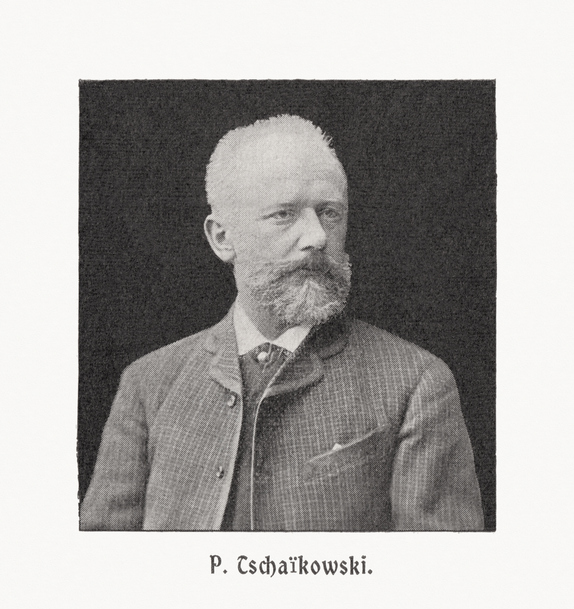
Tchaikovsky was brilliant, restless, often conflicted, and shaped as much by private turmoil as public triumph. Yet perhaps that’s precisely why his music has become so well-known and loved. Beneath the sweeping crescendos and glittering ballet scores lie longing, doubt, tenderness and defiance. The result is a body of work that continues to move listeners not simply because of its brilliance, but because it feels so vividly alive.