You’ve heard of the famous architects Sir Norman Foster, Antoni Gaudí and Zaha Hadid, but have you heard of the Vogelkop Bowerbird, the Sociable Weaver, or the Montezuma Oropendola? They’re also legendary architects, but they’re animals!
For millions of years, animals have been far more than simply inhabitants of their environments – they are master builders, engineers, and ingenious problem solvers, shaping the world around them with extraordinary creativity. Using only what’s close at hand – such as mud, leaves, stones, or even their own bodies – creatures across the animal kingdom design astonishing habitats, perfectly suited to their exact needs. From insects to elephants, the natural world is full of examples of construction feats that rival our most impressive human achievements.
These habitats serve remarkable purposes far beyond providing a simple place to rest. Animal-built habitats are multifunctional, maintaining the right conditions for raising young, storing food, keeping cool in summer or warm in winter, and even staging elaborate displays for courtship rituals. Each creation is finely tuned to give its residents the best chance of survival, like beehives built with mathematical precision to maximise strength and efficiency, or towering termite mounds which regulate temperature and airflow using a remarkably complex internal climate-control system.
And the fact that animals are so clever has meant that over the years, humans have looked at what they do for inspiration. The remarkable strength of honeycomb has informed everything from aerospace engineering to modern architecture, while termite mound ventilation has famously inspired eco-friendly building designs.
Prepare for your mind to be well and truly blown as we dig into the wild and wonderful world of animal architecture.
Male Bowerbirds
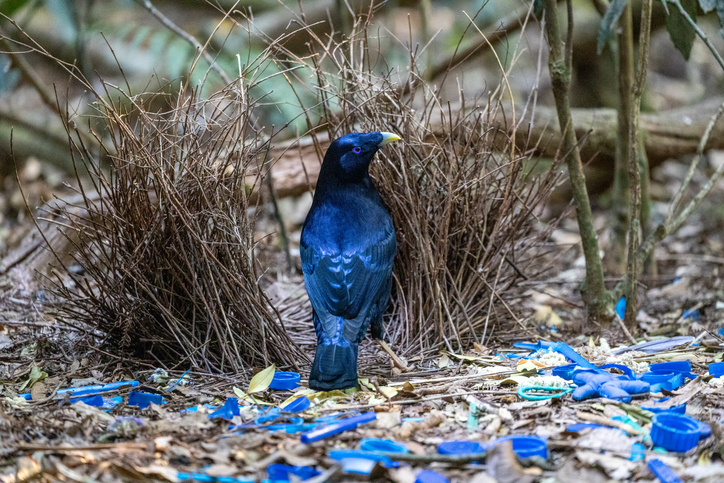
A male bowerbird waiting to be judged... (Credit: Samuel Moore via Getty Images)
The male bowerbird is not only one of nature’s most imaginative architects, it’s also a hopeless romantic. To attract a mate, he constructs an elaborate bower, weaving twigs into archways or avenues and decorating them with colourful objects such as flowers, shells, or even bits of glass. These structures aren’t nests, rather they’re carefully arranged spaces where females judge the male’s skill and creativity. It’s a habitat built purely for persuasion, showcasing astonishing ingenuity in design, symmetry, and style.
Caddisfly Larvae
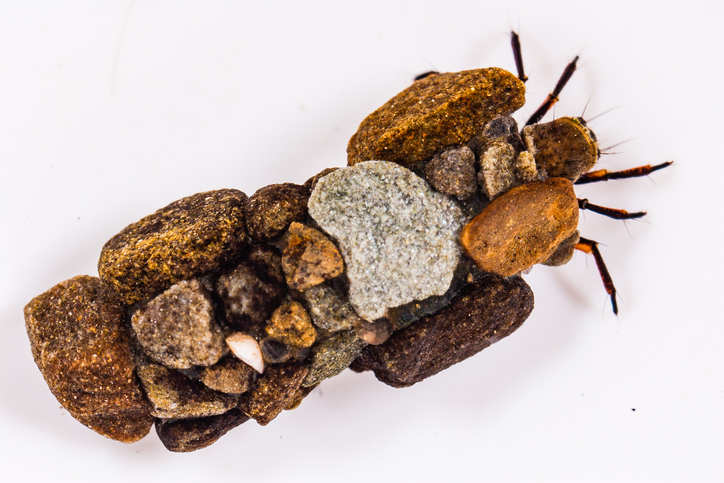
A caddisfly larvae encased in tiny pebbles (Credit: troutnut via Getty Images)
An aquatic moth-like insect, caddisfly larvae are master builders of the underwater world. Using silk produced from their bodies, they bind together sand, pebbles, shells, or plant fragments to create hard tubular cases which they occupy. These portable homes provide camouflage from predators, stability against currents, and a safe refuge as they grow. Each case is a miniature fortress, astonishingly clever in its use of local materials and perfectly adapted to life in flowing waters.
Burrowing Owls
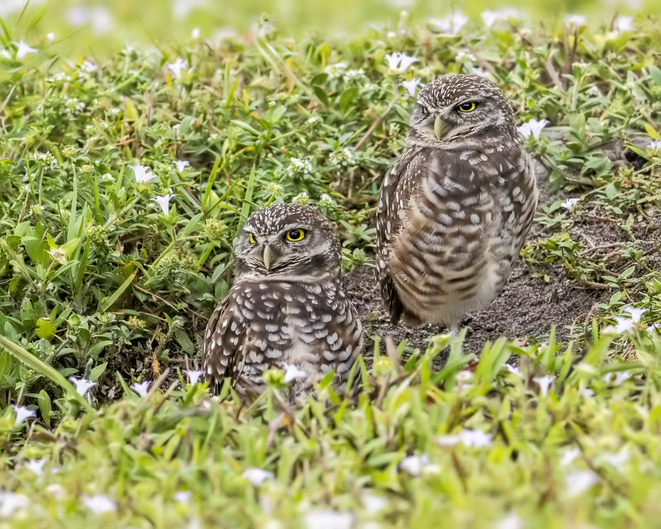
Burrowing owls on the lookout (Credit: Emil Vacek / 500px via Getty Images)
Burrowing owls are incredibly clever habitat users that make their homes underground in open grasslands and prairies. They typically occupy burrows dug by other animals, such as ground squirrels or prairie dogs, which offer ready-made tunnels to hide from predators and to escape harsh weather. Inside, the owls create nests lined with materials including mammal dung, possibly to signify occupancy and attract insects to eat. Their clever use of existing structures and microhabitat management makes their homes effective shelters for protection and to raise their young.
Woodpeckers
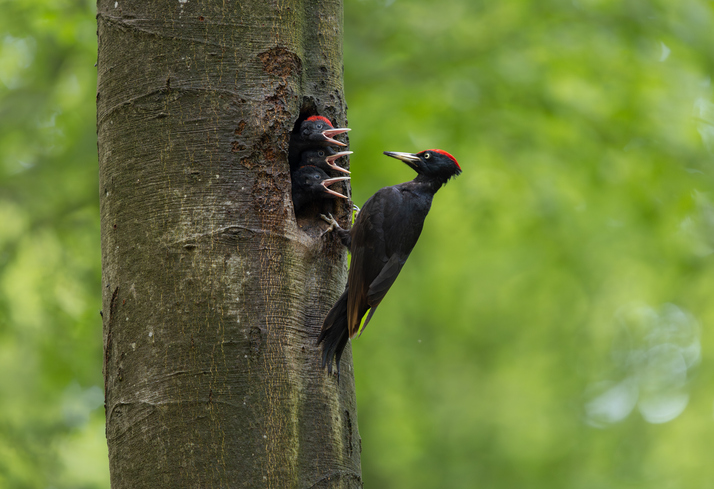
A woodpecker feeding its young (Credit: Krzysztof Baranowski via Getty Images)
Woodpeckers are expert cavity nesters, using their strong, chisel-like beaks to carve out homes deep inside tree trunks or branches. They often choose softer, sometimes rotting wood to excavate a round entrance leading to a vertical chamber, providing a safe, insulated space for raising their chicks. These habitats offer protection from predators and bad weather, and they even put wood chips in the base of the chamber as bedding. Beyond nesting, woodpeckers’ excavation work benefits entire ecosystems, as their abandoned cavities become shelters for other birds, mammals, and insects unable to create their own.
Beavers
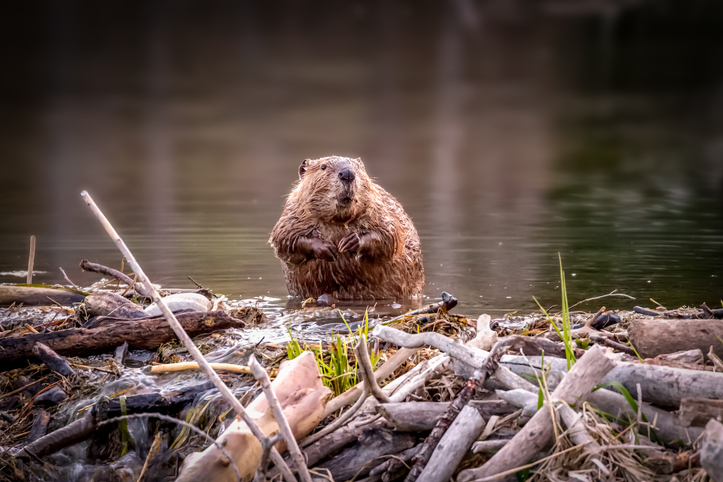
A beaver admiring its handiwork! (Credit: Troy Harrison via Getty Images)
Beavers are nature’s engineers, famed for building sturdy dams. Using their powerful teeth, they can fell small trees and drag branches, logs, mud, stones, and vegetation to construct dams across streams and rivers. These dams block water flow, creating deep ponds that protect beavers from predators, provide easy access to food, and keep their underwater lodge entrances safely submerged during winter. Beaver dams are astonishingly clever structures with a triangular cross-section, reinforced with layers of sticks and mud, sometimes using stones for added strength. They allow controlled water flow through small gaps, preventing dam failure during floods. Beyond shelter, these dams create wetland habitats which support plants and animals, reduce downstream flooding risks, and even help maintain water during droughts.
Coral Polyps
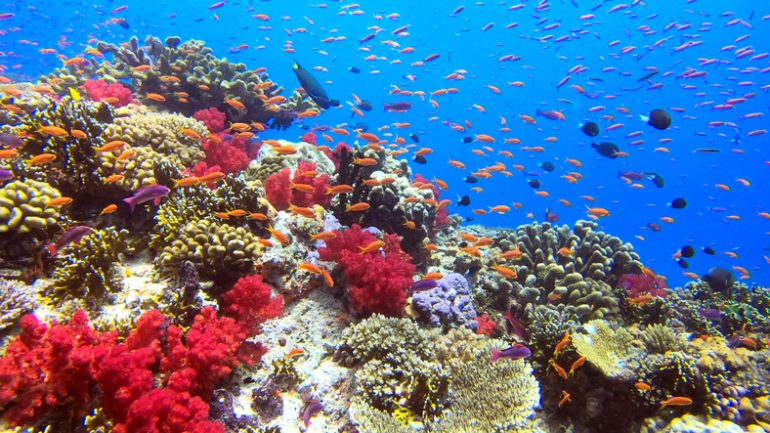
A stunning coral reef in Fiji (Credit: Crossing The Globe via Getty Images)
Coral reefs are built by countless tiny animals called coral polyps, which create their vast underwater cities one calcium carbonate skeleton at a time. These soft-bodied polyps anchor themselves to hard surfaces in warm, shallow seas and secrete chalky calcium carbonate, forming protective cups around their bodies. As polyps reproduce and cluster, their combined skeletons grow into massive, intricate reef structures that provide a habitat for thousands of marine species. Coral reefs not only protect coastlines from erosion and storms but also support fisheries and tourism for millions of people.
Termites
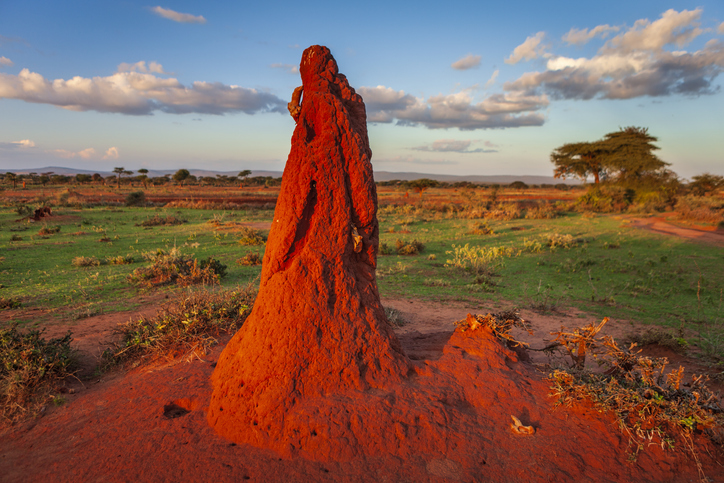
A huge termite mound in Ethiopia (Credit: hadynyah via Getty Images)
Termite mounds are among nature’s most astonishing architectural feats, built from a blend of soil, saliva, and dung. Some species construct towering mounds that can reach more than eight metres in height, complete with a labyrinth of tunnels and air shafts. Far from being static shelters, these structures act like living ‘lungs,’ using daily temperature changes to power a natural ventilation system. This amazing design regulates airflow, gases, and humidity inside the mound, creating conditions that support the survival of millions of termites even in challenging climates. Their ingenious construction has fascinated scientists and architects alike, inspiring innovative approaches to sustainable building design.
Penguins
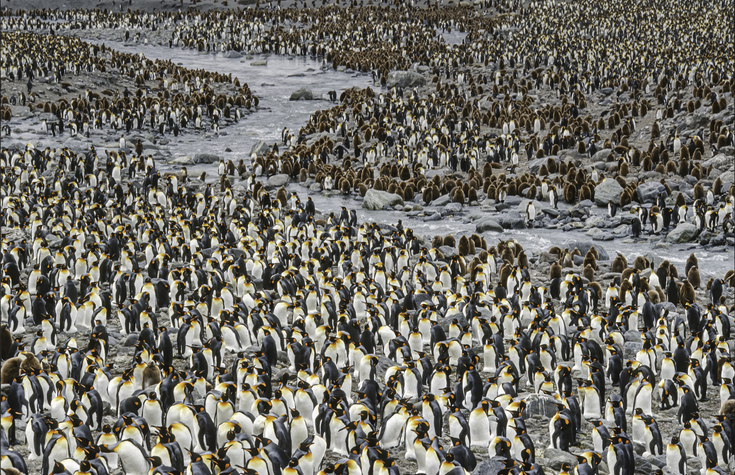
As many as 500,000 penguins in a colony on St Andrews Bay, South Georgia (Credit: Gerald Corsi via Getty Images)
Penguin colonies form dense, closely spaced nesting sites, often located near nutrient-rich coastal polynyas (areas of open, unfrozen water surrounded by sea ice) and submarine canyons which provide abundant food. While penguins don’t construct complex habitats like other animals, some modify their environment by building nests from stones and other materials to protect eggs and chicks from melting snow and the brutal cold. The colonies’ arrangement reduces competition and offers safety in numbers, highlighting how penguins cleverly select and shape their breeding habitats for survival in harsh climates.
Weaver Birds
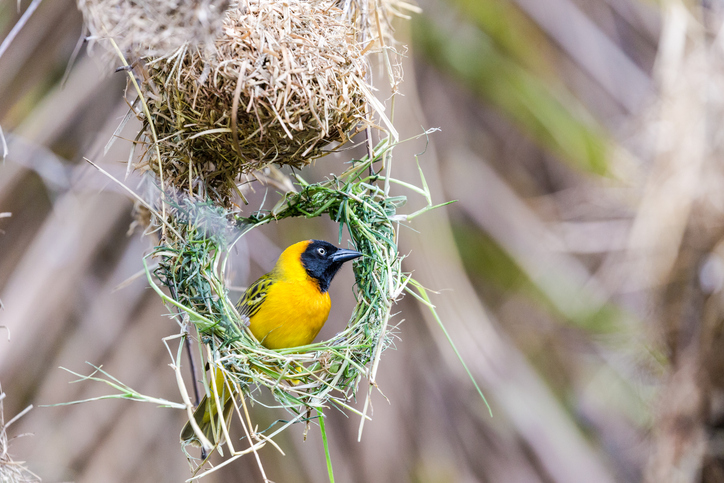
A beautifully intricate weaver bird nest in the Serengeti National Park in Tanzania (Credit: ivstiv via Getty Images)
Weaver birds are renowned for their intricately woven hanging nests built primarily by males to attract mates. They skillfully weave long strips of grass, reeds, or palm leaves into pendant-shaped structures, often suspended from tree branches or man-made objects. These nests feature a narrow entrance tube that keeps predators out and a cosy chamber inside for breeding and raising chicks. Some species, including sociable weavers, build huge communal nests housing hundreds of birds, creating durable, climate-adapted homes that can last generations.
Bees
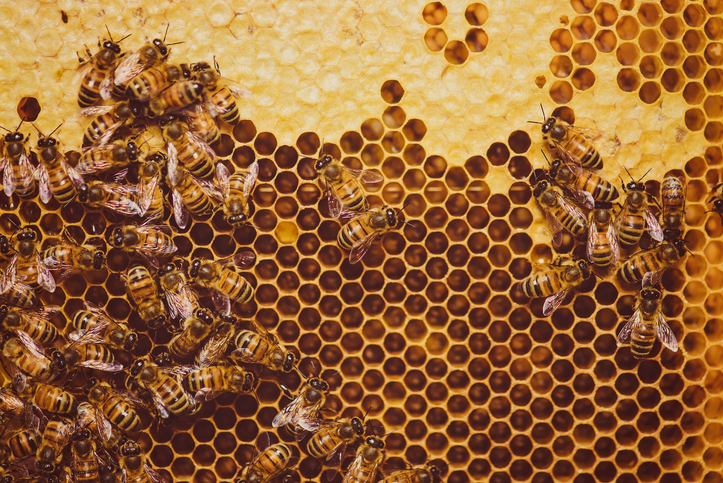
Bees hard at work (Credit: knape via Getty Images)
Bees are truly astonishing, creating intricate hives composed of hexagonal cells made from beeswax produced by worker bees. This honeycomb structure is a marvel of efficiency, maximising storage space for honey and pollen while providing safe chambers for raising larvae. The hexagonal shape offers strength and stability, supporting the colony’s needs for food storage, reproduction, and temperature regulation, as well as a cooperative and productive society.
Prairie Dogs
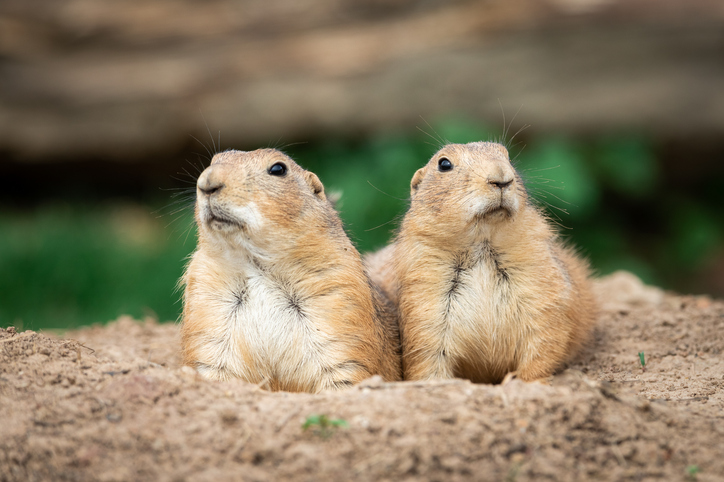
Young prairie dogs taking a break from building (Credit: AB Photography via Getty Images)
They’re more like squirrels than dogs, but prairie dogs build incredibly sophisticated burrow systems known as ‘towns’ with multiple entrances, tunnels, and underground chambers for nesting, food storage, nursing, and refuge from predators. Their burrows often feature a flat section on one side and a raised mound on the other, which helps to regulate airflow, provides lookout posts for spotting danger, and helps prevent the tunnels from flooding.
Creature Comforts

A swan and her cygnets in their nest (Credit: Jacky Parker Photography via Getty Images)
From beavers building dams which support diverse life, to termites constructing climate-controlled mounds, and prairie dogs digging complex burrow towns, these animals engineer their environments with remarkable skill. Humans have long taken inspiration from their designs, highlighting how closely linked all species are through the art of habitat creation and survival.