In nature’s high-stakes game of survival, adaptation is everything. And while many creatures rely on familiar tactics including camouflage, speed, or sheer strength, others take a far stranger path. Think death-feigning possums, lizards that squirt blood from their eyes, or sea cucumbers that eject internal organs as a defence mechanism. These aren’t just biological quirks – they’re battle-tested strategies, fine-tuned by evolution to keep their owners alive.
This article dives into the weirdest survival tricks the animal kingdom has to offer. From the theatrical to the grotesque, these evolutionary innovations reveal just how bizarre, and brilliant, nature can be.
Playing Dead: When Doing Nothing is Everything
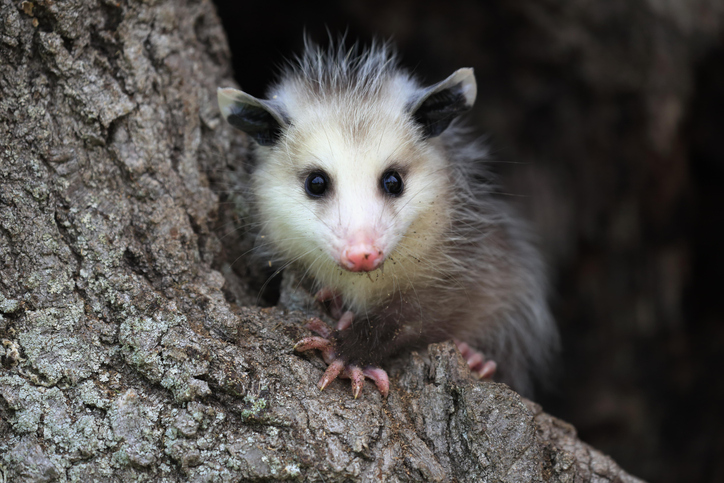
A young Virginia opossum (Credit: Jurgen & Christine Sohns via Getty Images)
Feigning death, or thanatosis, is one of the oldest tricks in nature’s playbook, yet remains one of the most unsettling. The Virginia opossum is perhaps the most famous practitioner. When threatened, it collapses, goes limp, drools, emits a foul-smelling fluid, and even slows its breathing and heart rate to near imperceptible levels. To predators, it appears convincingly lifeless, and since many hunters prefer fresh prey, the act is often enough to be spared.
This isn’t acting in any conscious sense. The opossum’s response is involuntary, a physiological shutdown triggered by extreme stress. Similar strategies appear across the animal world. Certain beetles stiffen and fall to the ground, frogs freeze mid-movement, and even sharks can enter an immobility state when flipped upside down. In these moments, survival depends not on action, but on absolute stillness.
Self-Amputation: Losing a Limb to Save a Life
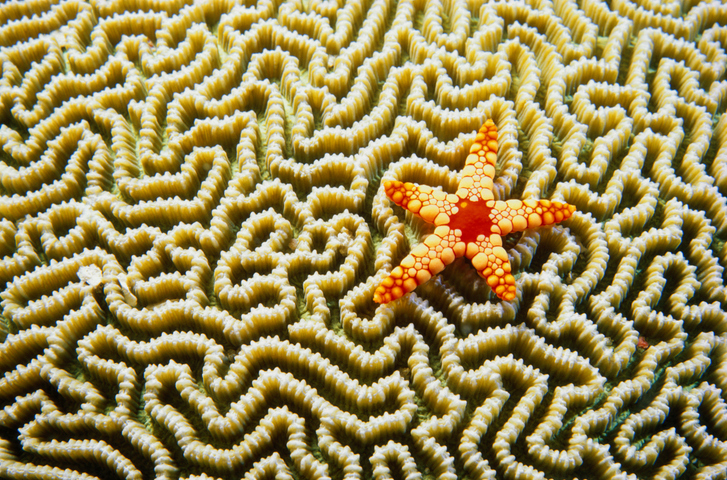
A starfish on brain coral in The Maldives (Credit: Ian Cartwright via Getty Images)
For some animals, survival means sacrifice. Lizards are renowned for their ability to shed their tails when grabbed by a predator. The detached tail continues to writhe and twitch, drawing attention away while the lizard escapes. Over time, a new tail grows back – often shorter, duller, and made of cartilage rather than bone, but good enough to restore balance and mobility.
This strategy, known as autotomy, isn’t limited to reptiles. Crabs, starfish, and even some spiders can deliberately lose limbs to evade capture. Starfish take it a step further: in some species, an entire new body can regenerate from a single severed arm. While losing a limb is costly, both energetically and functionally, the trade-off is simple. A missing limb is preferable to a fatal encounter.
Weaponised Disgust: Surviving by Being Revolting
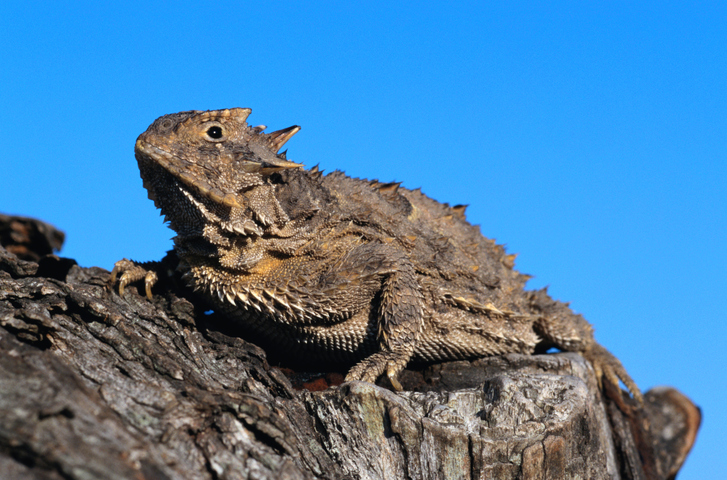
A Texas horned lizard (Credit: Jeremy Woodhouse via Getty Images)
In the animal kingdom, being unpleasant can be a powerful defence. The Texas horned lizard employs one of the most shocking examples. When threatened, it can squirt a stream of blood from the corners of its eyes, accurately targeting predators such as foxes or coyotes. The blood contains chemicals that taste foul and may even irritate the attacker’s mouth, convincing the perplexed predator to back off – quickly.
Elsewhere, skunks rely on their infamous spray, while certain caterpillars regurgitate partially digested plant matter onto attackers. Hagfish, deep-sea scavengers with eel-like bodies, produce copious amounts of slime when disturbed. This slime expands rapidly in water, clogging the gills of predators and turning the surrounding area into a gelatinous trap.
Extreme Camouflage: Invisible in Plain Sight
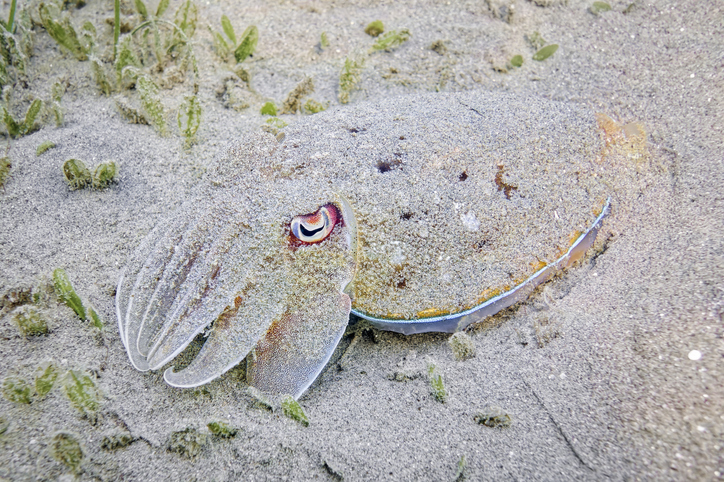
The cuttlefish is the master of disguise (Credit: cinoby via Getty Images)
Blending in is a classic survival tactic, but some animals take camouflage to genuinely jaw-dropping extremes. Chameleons, for instance, are famous for their quick-change disguises, shifting their skin colour to suit their surroundings (and, at times, to signal mood or status). Whether melting into leafy greens or echoing the tones of sun-baked branches, they’re proof that camouflage isn’t always about freezing in place, sometimes it’s about adapting in real time.
In Madagascar, leaf-tailed geckos cling to bark so convincingly they’re almost impossible to spot, complete with jagged edges and vein-like markings that mimic the tree itself. Dead leaf butterflies pull off a similar trick, folding their wings to reveal patterns that look uncannily like dry foliage – right down to those tell-tale ‘mould’ speckles.
Then there’s the ocean’s shape-shifters. Cuttlefish are masters of dynamic disguise, using specialised skin cells to change colour, pattern, and even texture in seconds, blending in with rock, coral, or sand.
Chemical Warfare: Turning Toxins into Shields
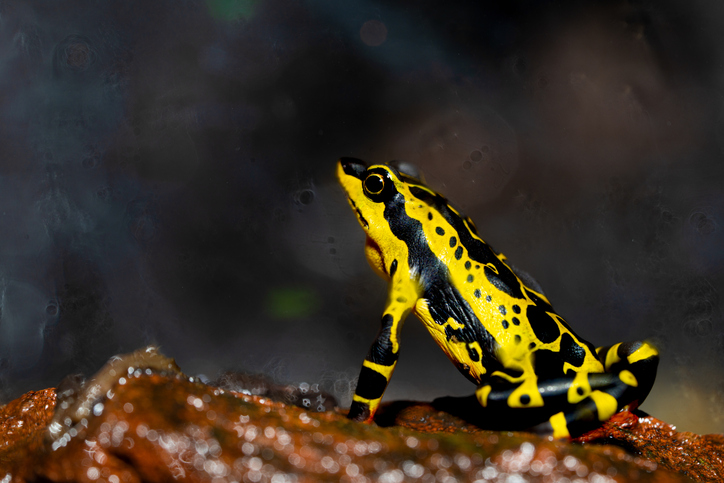
Stunning yet deadly - the poison dart frog (Credit: HECTOR VILLAVICENCIO / 500px via Getty Images)
We’ve explored survival tactics like playing dead and camouflage. Some animals, however, take the opposite approach: they don’t hide their danger at all. Instead, their appearance becomes a warning sign. Poison dart frogs are one of the best examples of this.
Packed with toxins derived from a diet of ants and mites, their vivid colouring signals to predators that they’re a risky meal. As a general rule, the brighter the frog, the more deadly its poison. In fact, the golden poison frog may be the most poisonous animal on Earth, with a single individual carrying enough toxin to kill ten adults. Even its name hints at this lethal reputation, referencing the historic use of its poison on the tips of blow darts.
Other creatures adopt a subtler approach. Pufferfish inflate their bodies to deter predators, but their true defence lies in tetrodotoxin, a nerve poison deadlier than cyanide. Monarch butterflies, meanwhile, absorb toxins from milkweed plants as caterpillars, retaining this toxic arsenal well into adulthood. Indeed, birds that attempt to eat a monarch often vomit violently, quickly learning to associate its distinctive orange and black wings with misery.
Living Inside Other Creatures
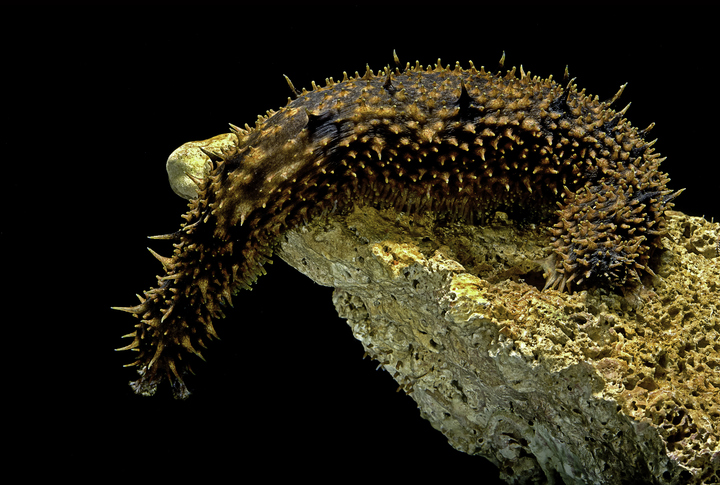
Pearl fish live inside sea cucumbers (Credit: Paul Starosta via Getty Images)
Some survival strategies are so strange they verge on the surreal. The pearl fish, a slender marine species, survives by living inside sea cucumbers. It enters through the host’s anus and takes shelter within its body cavity, emerging only to feed. While unsettling, this arrangement offers protection from predators and a stable home.
Parasitoid wasps employ an even more disturbing tactic. They lay their eggs inside living hosts, often caterpillars. The larvae grow internally, carefully avoiding vital organs until they are ready to emerge, at which point the host dies. While gruesome, this strategy ensures the wasp larvae have a fresh, living food source and protection during their most vulnerable stage of life.
Freezing Solid and Living On
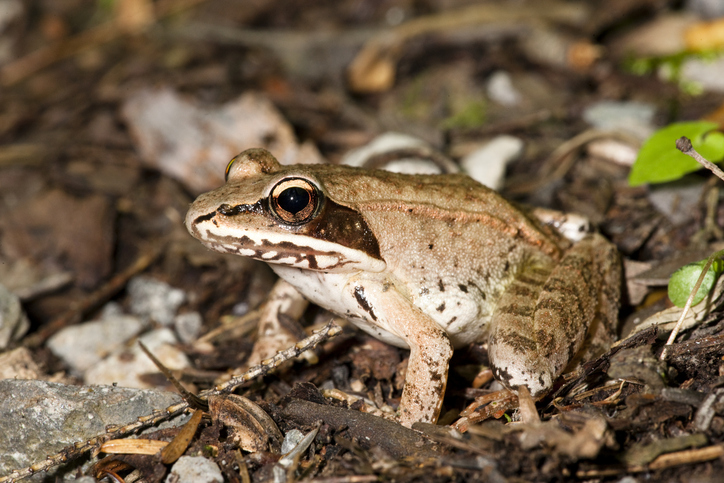
A wood frog can freeze solid (Credit: McDonald Wildlife Photography Inc. via Getty Images)
In environments where temperatures plummet below freezing, some animals survive by embracing the cold in ways that seem impossible. The wood frog can freeze solid during winter, its heart stopping, its breathing ceasing, and ice forming within its tissues. Special sugars and proteins act as antifreeze, protecting cells from damage. When spring arrives, the frog thaws, its heart restarts, and it hops away as if nothing happened.
Certain insects employ similar tactics, producing natural cryoprotectants that allow them to survive temperatures that would kill most other life forms. These astonishing tactics seem to blur the lines between life and death, living organism and biological ice sculpture.
Fake It Til You Make It
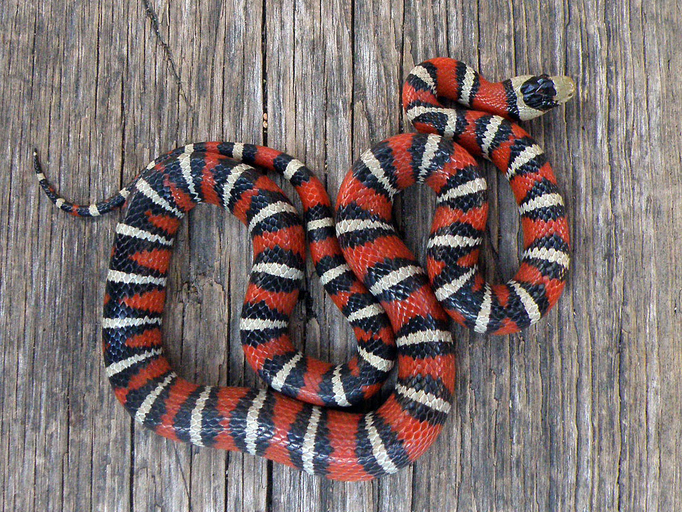
Kingsnakes mimic the colours of the venomous coral snake (Credit: David Bygott via Getty Images)
Some animals survive by pretending to be something they’re not. The mimic octopus is a standout example, capable of altering its shape and behaviour to resemble multiple species, including venomous lionfish, sea snakes, and flatfish. By impersonating dangerous animals, it discourages potential predators without possessing venom itself.
On land, harmless scarlet kingsnakes mimic the colours of highly venomous coral snakes. Predators considering the difference between “red on yellow” and “red on black” may hesitate long enough for the mimic to escape. This evolutionary sleight of hand shows that sometimes, survival depends on that classic tactic of simply bluffing it out.
Survival of the Strangest
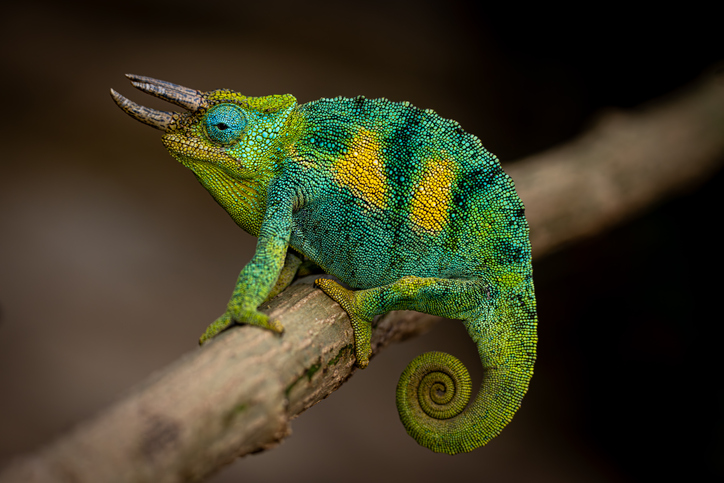
Karma chameleon (Credit: Beata Whitehead via Getty Images)
The strangest of tricks in the animal kingdom reveal there’s a wide and weird variety when it comes to the tactics of survival. Evolution rewards whatever works, no matter how bizarre it may seem. Playing dead, shedding limbs, spraying blood, freezing solid, or living inside another creature may sound pretty bonkers, but each strategy’s been finely honed through millions of years of evolution to provide a finely tuned response to even the meanest of pesky predators.