Tea was first introduced to England in the 1650s, primarily via Dutch merchants who brought it over from China. Indeed the earliest known reference to tea being sold in England was in 1657 by Thomas Garway. He sold it in his coffeehouse on Exchange Alley in the City of London and it was such a revelation he had to explain the new drink in a pamphlet!
At first, tea was drunk by City-types in the coffeehouses around the Bank of England, but its status changed dramatically in 1662 when Portuguese princess Catherine of Braganza married Charles II and brought her love – and personal supply – of tea to the English court. Catherine’s enthusiasm quickly set a trend among the aristocracy, making tea fashionable and desirable far beyond what was initially said to be medicinal roots (according to Garway’s leaflet). With royal endorsement and growing demand, tea imports increased, changing from an expensive novelty sold in London coffeehouses to an essential social beverage enjoyed throughout society.
But it took almost two centuries for afternoon tea to become a staple of British life. So how did the concept of afternoon tea begin, who started it, and why is it still incredibly popular? Put the kettle on, cut yourself a generous slice of Vicky sponge, and read on!
The Beginnings of Afternoon Tea
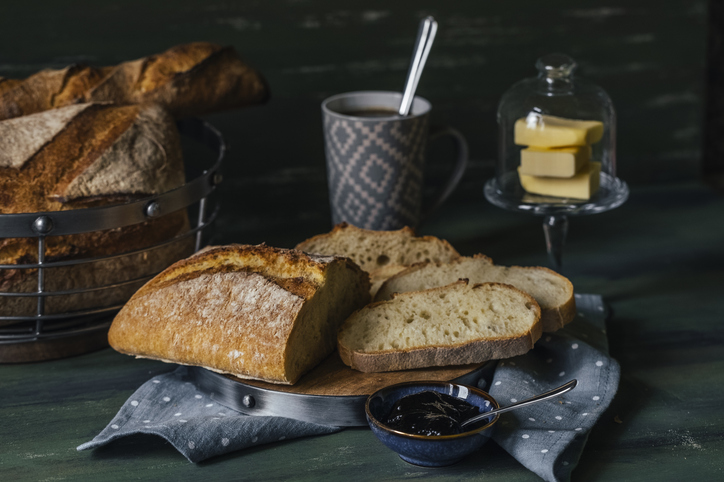
Bread and butter and a cuppa was the precursor to afternoon tea (Credit: Eva-Katalin via Getty Images)
Back in the early 1800s, the English upper crust had a curious habit: they didn’t sit down to dinner until as late as 9pm. Lunch happened around midday, which meant they were left to wander the wastelands of hunger for a soul-crushing eight hours. By late afternoon, many found themselves in a perilous state – peckish, grumpy, and faint with longing for cake.
Enter Anna Maria Russell, the seventh Duchess of Bedford and all-round high-society heavyweight – not to mention Lady of the Bedchamber to Queen Victoria herself. Around 4pm, the Duchess began experiencing what she diplomatically referred to as a “sinking feeling.” Less diplomatic folks might call it the hangries.
So, sometime around 1840, she decided she’d had enough. She asked for a tray to be delivered to her room: tea, bread and butter, and a smattering of cakes. A modest little pick-me-up to bridge the canyon between lunch and dinner. It became a habit. Then a trend. Then a full-blown social event, complete with fancy china, gossip, and cucumber sandwiches. And thus, afternoon tea was born, or so the story goes.
Of course, food historians love to stir the pot. Some argue that the Georgian elite had already been nibbling on bread and butter with tea in the afternoon. Others point out the explosion of cakes and biscuits in cookbooks of the time, suggesting sweet snacking wasn’t exactly revolutionary.
Still, whether the Duchess invented the ritual or simply refined an existing one, we owe her our gratitude. Because without her, we might never have had the excuse to eat scones with clotted cream at 4pm and call it tradition.
Jane Austen and the Case of the Prequel Tea
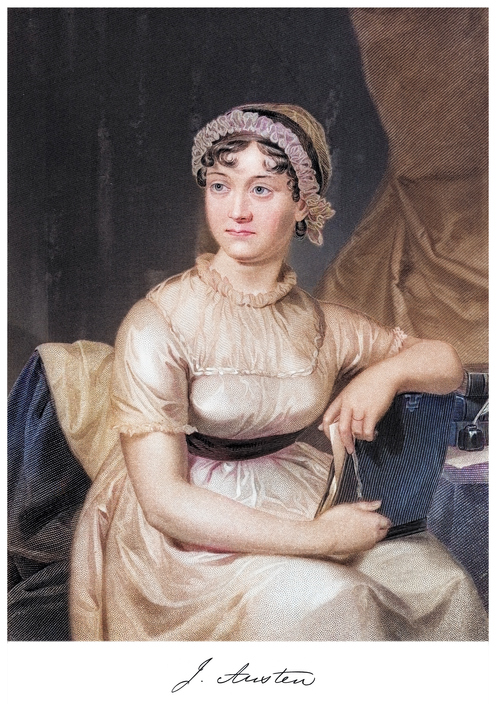
Even Jane Austen loved a cup of tea! (Credit: mikroman6 via Getty Images)
If you go snooping around the origins of afternoon tea, you might stumble across a surprising clue, hidden not in a dusty cookbook or a duchess’s diary, but in the pages of Jane Austen herself.
In her tantalisingly unfinished novel The Watsons, written in the early 1800s, there’s a moment that feels suspiciously like an early nod to tea-as-intermission. The characters have just returned from a walk – a very Austen-y sort of outing – and then comes this line:
“You will have some tea, won’t you?” said Emma, looking kindly at her sister.
Now, it’s not exactly a full-blown tea party with doilies and Victoria sponge. There’s no silver teapot or triple-tiered tray heaving with pastries. But scholars and fans alike have noted that this offer of tea comes after a social excursion and before dinner, a gap famously wide enough in Regency England to lose your manners and your blood sugar.
While Austen wasn’t describing the ceremonious afternoon tea we know today, the timing is suspiciously on brand. It suggests that even before the Duchess of Bedford started ringing her little bell for scones, tea was already quietly doing its job: a moment of comfort, civility, and caffeine between the day’s obligations.
So was Austen foreshadowing a national pastime? Maybe. Or maybe Emma just really needed a cuppa. Either way, the seeds of the tradition were clearly sown.
Ball Gowns & Bone China
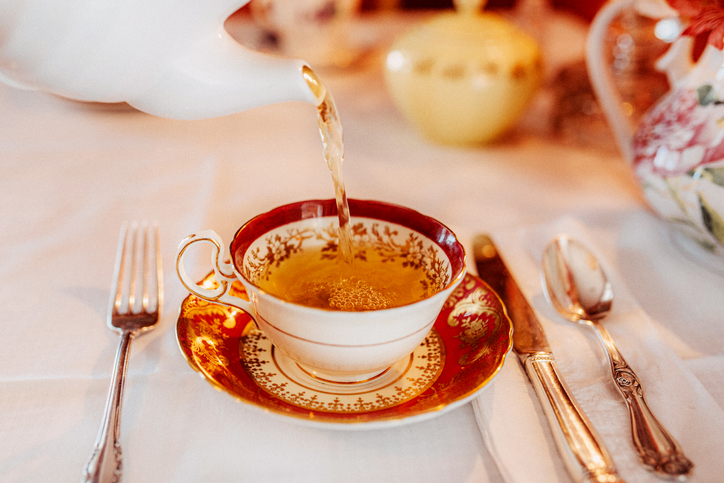
Afternoon tea was a reason to use the best china (Credit: Stefania Pelfini_la Waziya Photography via Getty Images)
As afternoon tea took hold in Victorian England, it evolved from a simple snack to stave off hunger pangs into a refined occasion marked by expensive imported teas, dainty sandwiches, and delicate pastries. It became an opportunity for the Victorian elite to showcase hospitality and etiquette, as well as an excuse to show off their finest bone china and table linen.
By the 1880s, afternoon tea was a highlight of upper-class life. Society women would wear exquisite shoes and gowns, gloves, and elaborate hats to take afternoon tea in the drawing room or, if the weather was good, on the veranda or in the garden.
The Victorian Menu
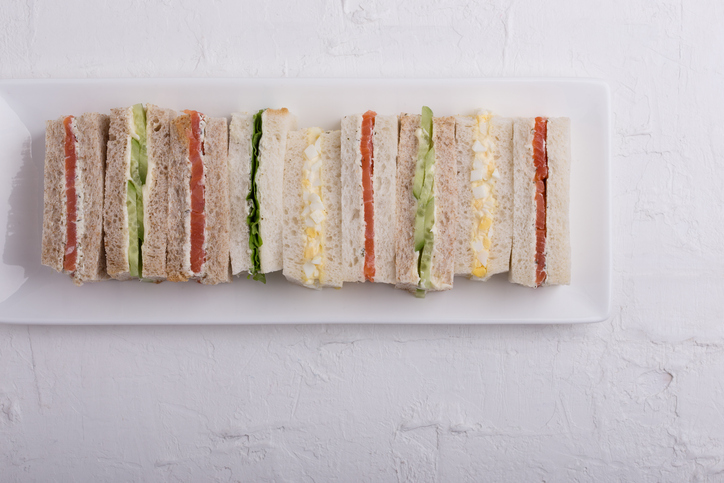
The classic sandwich line-up has barely changed since the 1880s (Credit: istetiana via Getty Images)
In the 1880s, a traditional afternoon tea was a refined and elegant affair, typically served between four and five in the afternoon. It included three main components – a selection of delicate finger sandwiches, scones with clotted cream and preserves, and a variety of cakes and pastries. The sandwiches were often crustless and featured popular fillings such as cucumber with cream cheese, egg mayonnaise and smoked salmon. Scones were usually served warm with jam – strawberry being the classic choice – and clotted cream, making for a quintessentially British treat.
A classic menu that has seen very few changes in 130 years.
This light yet satisfying meal was accompanied by carefully brewed tea, often poured from silver teapots into fine china cups. Popular teas included traditional breakfast blends, Earl Grey, and Darjeeling.
The spread and ritual of afternoon tea grew in popularity during this period, with some families even commissioning portraits featuring their fine china and tea settings. Over time, this tradition became more accessible beyond the aristocracy, influencing social habits throughout Britain.
Twentieth Century Tea
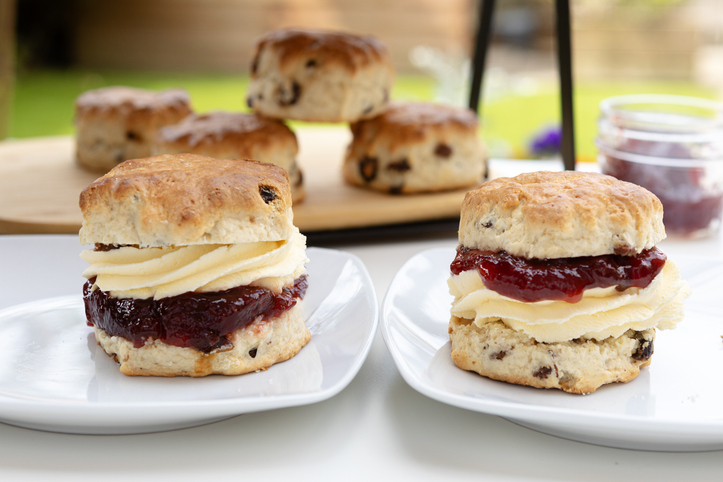
Are you cream first, or jam first...? (Credit: TraceyAPhotos via Getty Images)
Afternoon tea became popular with the masses in the early twentieth century. While it originated as an aristocratic tradition in the previous century, the rise of the middle class, increased leisure time, and industrialisation made tea more affordable and accessible to the wider public. Tea rooms and cafés began opening in urban areas, serving as social hubs where people from various backgrounds could enjoy tea and light refreshments. This democratisation of afternoon tea turned it into a widespread social phenomenon, appreciated not just for the beverage but also for the opportunity to socialise and relax.
In the roaring twenties, musicians, bands, and even orchestras were popular with the wealthy elite, and those of lesser means would go to tea dances in hotels. However after World War II, the popularity of traditional afternoon tea waned. There were social and economic changes which contributed to this decline, including a shift towards a faster-paced lifestyle, changes in working patterns, rationing during and after the war years, and a general decline in formal social rituals. The rise of other social and entertainment options also played a role in reducing the prominence of afternoon tea as a daily or frequent event in British life.
But in recent years, afternoon tea has experienced a significant revival and become popular again.
The Icing On The (Sponge) Cake
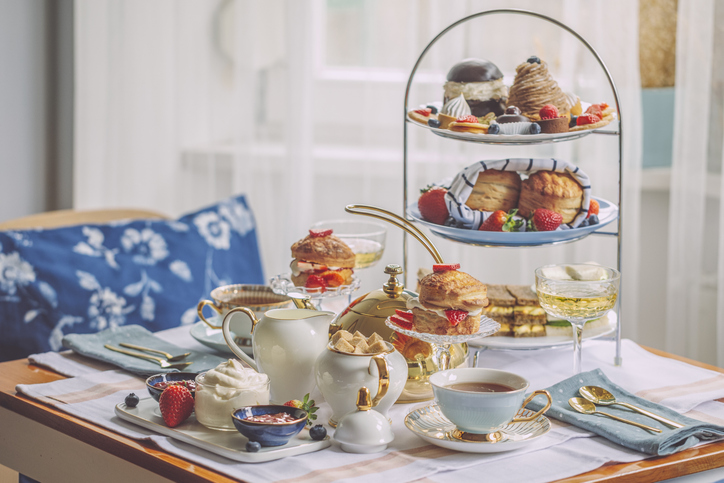
Bon appe-tea-t...! (Credit: Eva-Katalin via Getty Images)
The resurgence in the taking of afternoon tea has been driven by a renewed interest in heritage and tradition, as well as the appeal of a luxurious and indulgent experience. Upscale hotels, tea rooms, and restaurants have embraced afternoon tea as a special occasion treat, often adding modern twists with varied menus that include artisanal blends, vegan and gluten-free options, and Champagne teas.
There’s also loads of fun themed afternoon teas, including a Paddington Bear-themed tea on a double-decker bus, a Shakespeare-themed tea at the restaurant next to The Globe Theatre, a Charlie & The Chocolate Factory-style tea, a Regency-style Bridgerton tea, and a Beatles-themed tea at The Beatles Story in Liverpool.
So whether you’re sipping Darjeeling in a garden or nibbling scones in your slippers, afternoon tea is proof that a little pause can be a lot of pleasure. Here’s to clinking china, crumb-covered smiles, and the joy of taking tea like it’s 1840!