Sinterklaas: The Netherlands
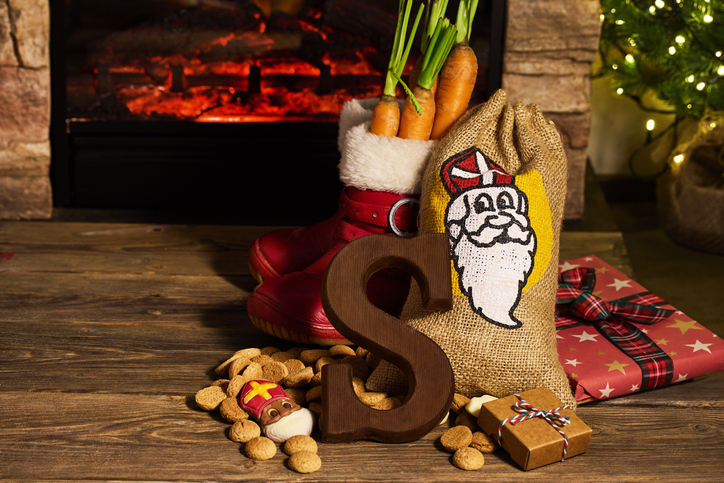
The Dutch tradition of Sinterklaas, complete with carrots! (Credit: nambitomo via Getty Images)
Inspired by the fourth-century bishop Saint Nicholas, Sinterklaas is an elderly man in red robes who travels across rooftops delivering small gifts. At first glance, he might sound an awful lot like a certain Father Christmas. He even notes who’s naughty and nice. But hold your reindeer for some big differences. For one thing, Sinterklaas’ robes are accompanied by a tall mitre, and curled staff, more closely reflecting a bishop’s traditional garb.
Then there’s the issues of timing and transportation. While Santa’s on his reindeer-drawn sleigh for one night, Sinterklaas arrives by steamboat from Spain in mid-November and stays until 5 December. During this time, he travels on his white horse, leaving small treats in the shoes children place by doors or fireplaces, often packed with carrots or hay for his horse.
As these traditions played out each year, they became firmly rooted in Dutch culture. And when Dutch settlers later carried the story across the Atlantic, those familiar customs didn’t stay behind. Instead, they gradually blended into the folklore that would help shape the American Santa Claus.
Santa Claus: United States
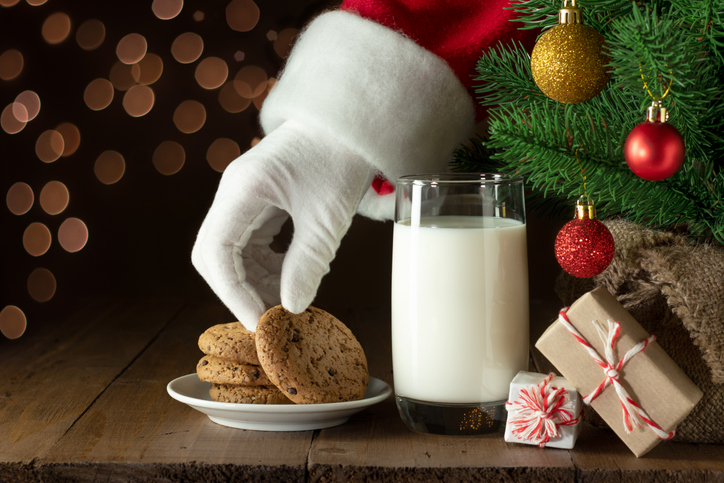
Milk and cookies for Santa Claus (Credit: ElcovaLana via Getty Images)
Santa Claus grew from a mix of European traditions, with Dutch customs having a big influence. His familiar look started to take shape in the late 1800s, when illustrator Thomas Nast drew him in a red, fur-trimmed suit, with a round figure and a friendly, rosy face. Those images were widely reproduced and, before long, that version of Santa became the one most people recognised.
Across American celebrations, Santa journeys by sleigh on Christmas Eve, accompanied by reindeer and a gift-laden sack that seems to hold an impossible number of presents. Children often leave cookies, milk and some carrots for the reindeer, hoping their stockings will be filled with treats and gifts placed under the tree.
Father Christmas: United Kingdom
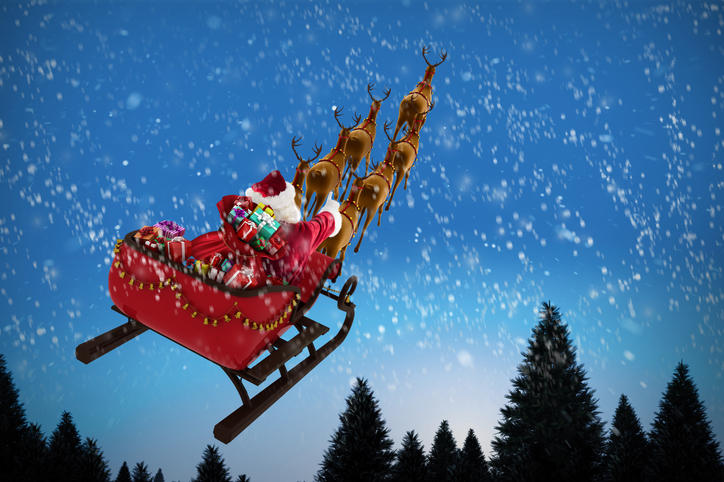
Father Christmas on his way to deliver presents! (Credit: Wavebreakmedia via Getty Images)
In the UK, Father Christmas and Santa Claus are often treated as the same person, but they started out quite differently. Father Christmas began as more of a symbol of midwinter fun than a gift-giver – a jolly older man tied to feasting and loud, lively celebrations, rather than stockings and presents.
Things started to shift in the early 19th century, and the Victorians really pushed Christmas in a more family-focused direction. As the holiday softened, so did Father Christmas. He gradually moved away from adult partying and towards a warmer, more child-friendly role.
Meanwhile, Santa Claus was making his way over from America. In an 1864 story by Susanna Warner, both characters even appear side by side: Santa handing out gifts while Father Christmas turns up in a play. By the end of the century, the two had more or less blended into one familiar figure.
Kris Kringle / Christkindl: Germany & Austria
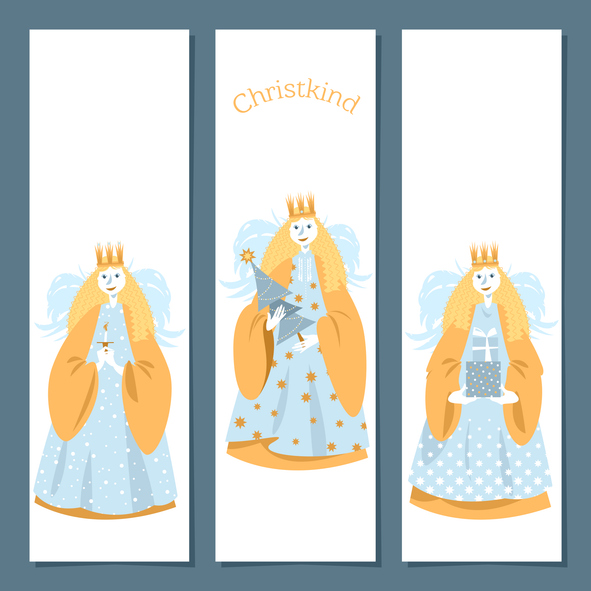
The traditional image of Christkindl from Germany and Austria (Credit: NGvozdeva via Getty Images)
In parts of Germany and Austria, it’s the Christkindl who brings the presents – an angel-like figure usually shown in white or pale gold. The tradition really took off after the Reformation, and the Christkindl is often linked with ideas of hope, light and generosity. Compared with louder, more boisterous festive characters, this is a much quieter, gentler figure.
Père Noël: France
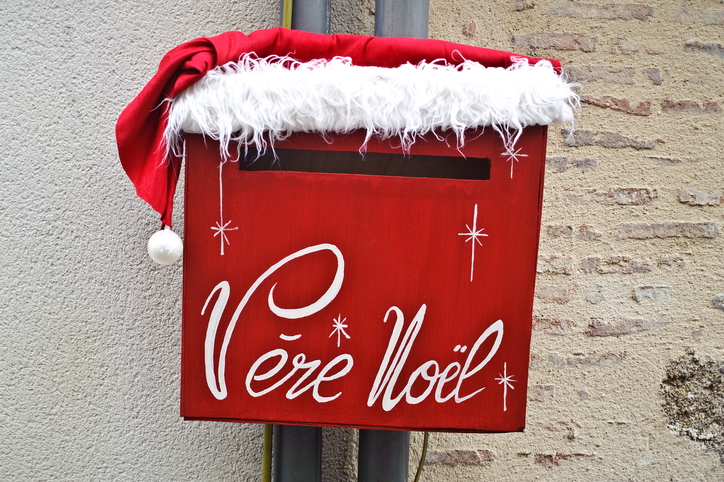
Guaranteed delivery to the North Pole! (Credit: franck metois via Getty Images)
France celebrates Père Noël, who delivers gifts on Christmas Eve. Children traditionally place polished shoes by the hearth, trusting they will be filled with sweets or small surprises. In some regions, Père Noël is accompanied by Père Fouettard, a sterner character whose presence serves as a subtle reminder about good behaviour.
Ded Moroz: Russia
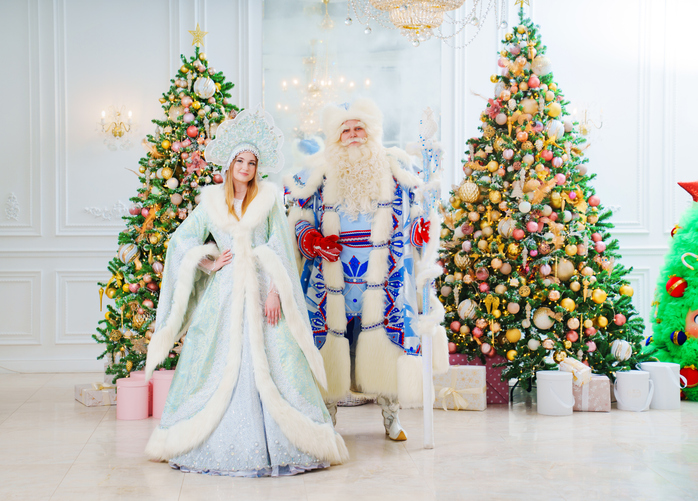
Ded Moroz and Snegurochka, the Snow Maiden (Credit: Andrey Sayfutdinov via Getty Images)
Russian New Year festivities feature Ded Moroz, or Grandfather Frost, who often appears in a long coat (commonly blue, though other colours are used) with a tall fur hat. Ded Moroz travels with his granddaughter Snegurochka, the Snow Maiden, whose shimmering attire reflects the sparkle of winter frost.
La Befana: Italy
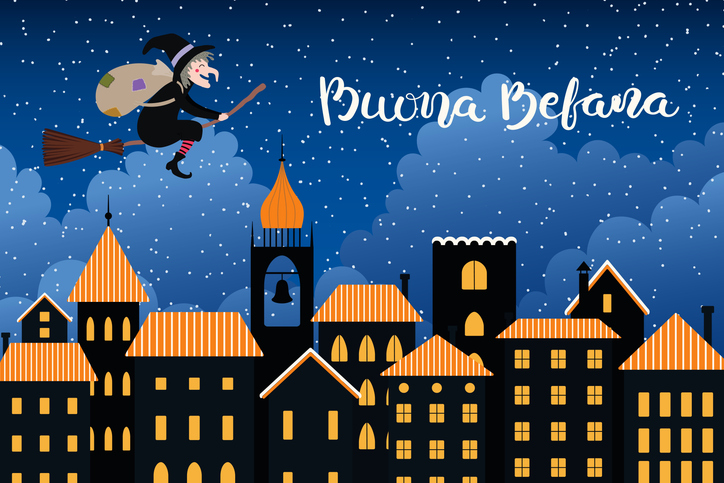
Italy's La Befana (Credit: sceptical cactus via Getty Images)
In Italy, one of the most beloved festive figures is La Befana, a kind old woman who flies around on a broomstick on the night of 5 January. According to legend, she once turned down the chance to travel with the Three Wise Men and has spent every Epiphany Eve since visiting homes and leaving gifts for children, as she continues her search for the Christ Child. It’s a simple, slightly bittersweet story that still makes her a favourite with families.
Julenissen: Norway
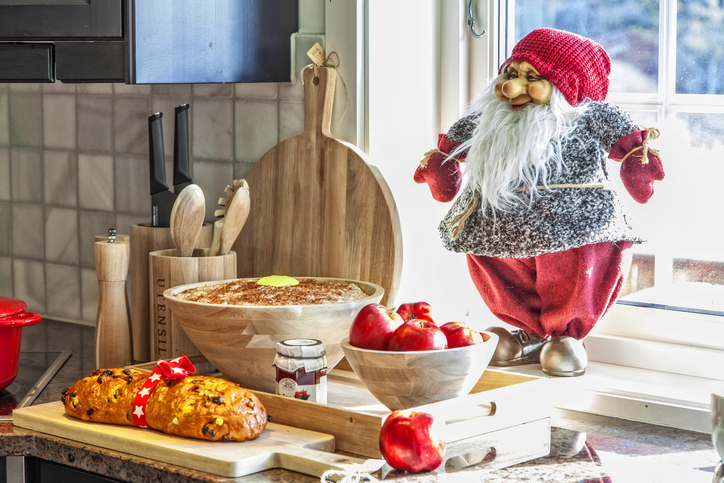
Julenissen with a big bowl of sweet porridge (Credit: Firmafotografen via Getty Images)
In Norway, Julenissen is a mix of old folklore and cosy Christmas tradition. He’s a cheerful, gnome-like figure with a woollen cap, rosy cheeks and a snowy beard, usually said to live near farms and rural homes. On Christmas Eve, families often leave out a bowl of porridge to say thank you, a simple ritual that adds a bit of homely warmth to a long winter night.
Joulupukki: Finland
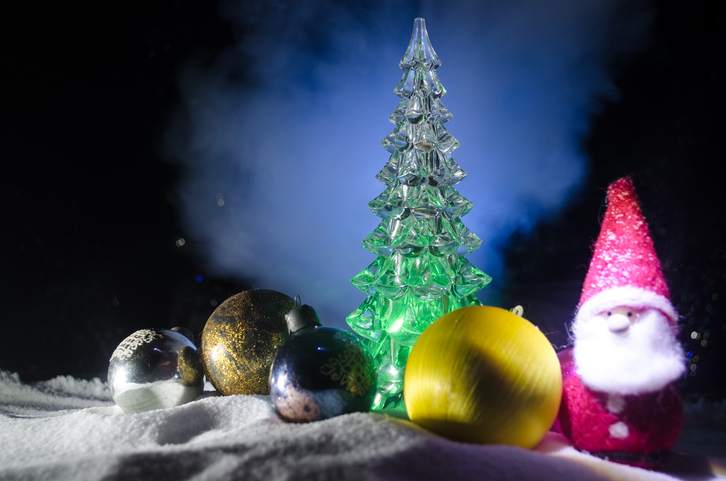
Joulupukki may even show up on Christmas Eve... (Credit: Zeferli via Getty Images)
In Finland, the main festive visitor is Joulupukki, whose name literally means “Yule Goat,” a nod to his roots in older, slightly scarier folklore. These days he’s much friendlier, and his arrival is something families look forward to. Many people say he lives in Lapland, an idea that’s grown into a big winter tourism draw. In some homes he even turns up in person on Christmas Eve, knocking on the door to hand out presents.
Tió de Nadal: Catalonia (Spain)
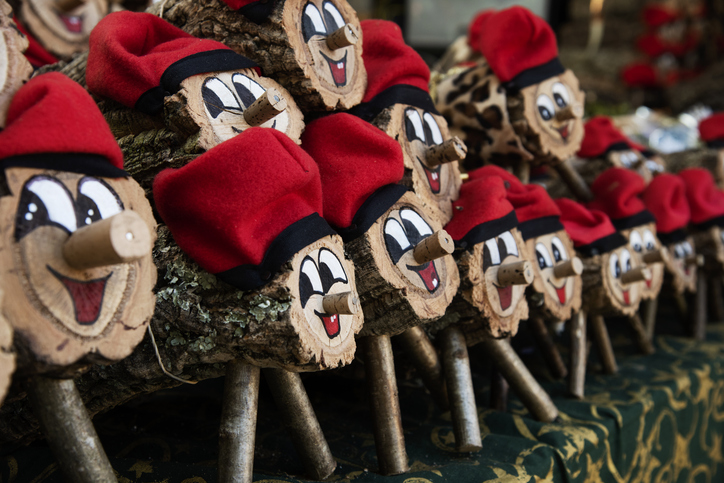
Tió de Nadal (Credit: nito100 via Getty Images)
In Catalonia, Christmas comes with its own quirky star: the Tió de Nadal, a wooden log painted with a big smile and usually topped with a red hat. All through December, children “feed” the log, building up a sense of fun and expectation. Then on Christmas Eve, they sing special songs and gently tap it with sticks, and the log “magically” produces sweets and small gifts.
A Claus for Celebration
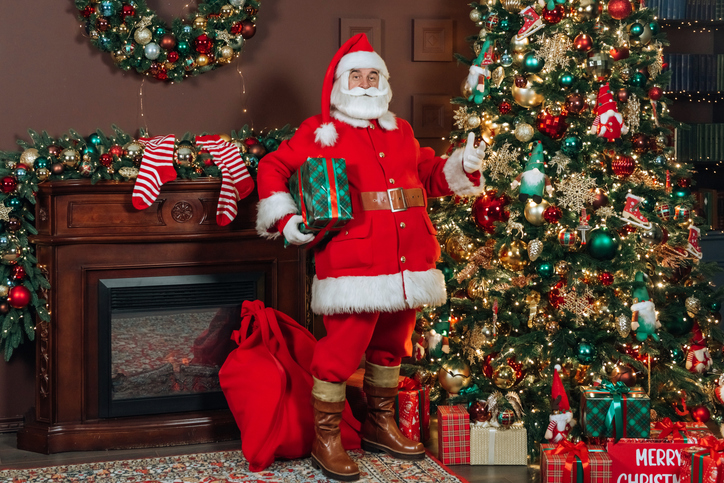
Merry Christmas everyone! (Credit: Alexandr Dubynin via Getty Images)
All of these festive visitors show just how many different ways there are to celebrate, while still circling the same idea of joyful festive fun. Whether your winter guest turns up on a horse, in a sleigh, on a broomstick or in the form of a smiling log, each tradition adds its own extra twist to the season of celebration.