From hearty medieval fare to golden syrup-laced classics, the British pudding has long mirrored the nation’s changing tastes. Originally conceived as a savoury staple cooked over open hearths, it gradually rose to become a beloved emblem of comfort and indulgence—one that still graces tables from Sunday lunches to school canteens. Along the way, its ingredients, meanings, and methods have continually adapted, revealing as much about Britain’s culinary past as its present-day palate.
So, how did a humble dish rise to such iconic status? We’re serving up a slice of history to find out.
A Medieval Beginning: Puddings of the Feast Hall
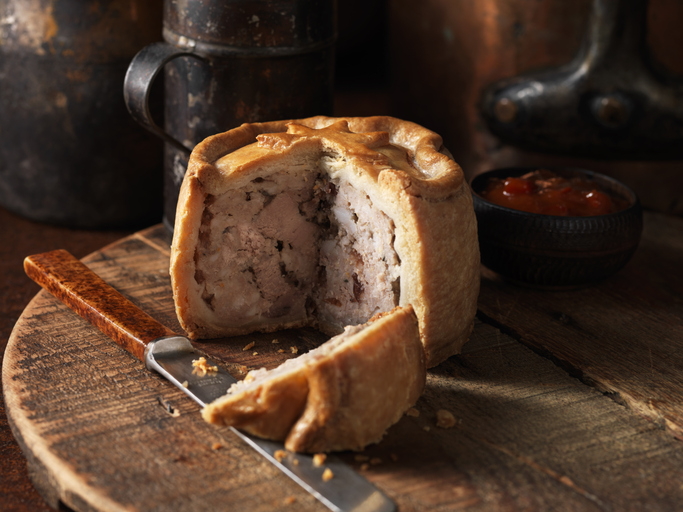
Savoury meat pies were a staple at medieval feasts (Credit: Diana Miller via Getty Images)
In the heart of the Middle Ages, the term “pudding” held a very different meaning from today’s cozy dessert. Derived from the French boudin (itself from the Latin botellus, meaning “small sausage”), early puddings were savoury, meat-based dishes. They were not baked or steamed in bowls but encased in animal intestines, an early cousin of the sausage rather than a sweet treat.
During great feasts held in candlelit halls, the pudding appeared alongside roasted game, spiced pies, and tankards of ale. Dishes such as black pudding and haggis represented this earliest phase. Black pudding, made from pig’s blood, oats, and fat, was hearty fare for cold climates and long days of labour. It provided both sustenance and flavour at a time when waste was a sin and preservation a necessity.
Even more elaborate versions emerged among the wealthy. The medieval “white pudding,” prepared with suet, bread, and spices, hinted at the sweet turn puddings would one day take. The inclusion of sugar, then an expensive imported luxury, gradually began to change the character of the dish. Puddings became experiments in texture and taste, at once practical and indulgent.
The Tudor Transformation: From Savoury to Sweet
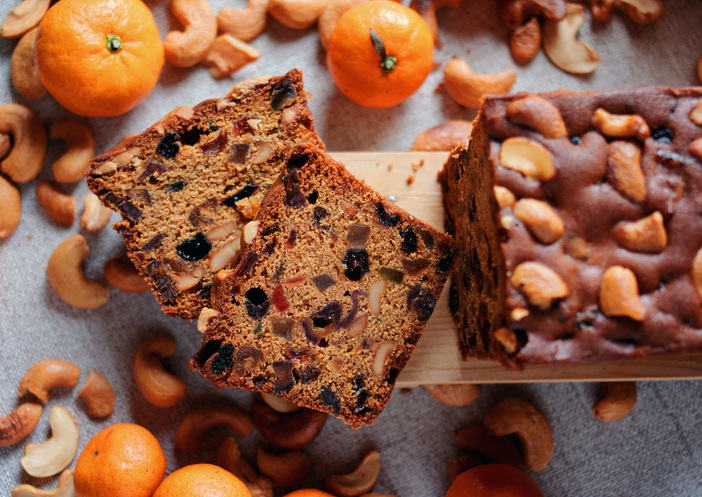
The humble fruit cake became a Christmas classic (Credit: Cavan Images via Getty Images)
By the time Henry VIII sat upon the throne, the pudding was entering a period of reinvention. The expanding British trade network brought exotic ingredients to English kitchens: sugar from the Caribbean, currants from the Mediterranean, and nutmeg and cinnamon from the East Indies. Cooks began to blend these new imports with traditional methods of boiling and steaming.
“Plum pudding” appeared during this era, not yet the Christmas classic it would become, but a mix of meat, dried fruits, breadcrumbs, and spices boiled in a cloth. The boundaries between savoury and sweet blurred deliciously. The pudding had become both meal and treat.
Tudor banquets celebrated excess, and the pudding became a showpiece of festivity. For the poor, its boiled form remained an economical way to transform humble ingredients into filling fare, while for the rich, it served as a dish bringing culinary experimentation. The pudding was no longer a humble sausage substitute, it was a dish of prestige.
Georgian Refinement: The Pudding Finds Its Place
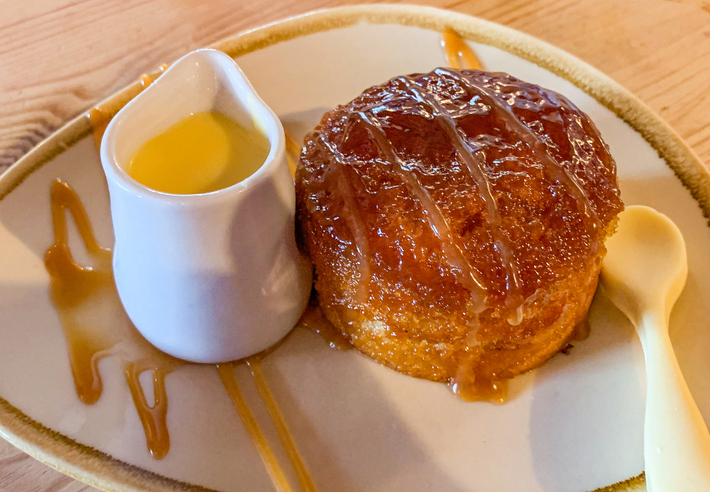
Thanks to the Georgians, we can enjoy hot treacle sponge with lashings of custard! (Credit: clubfoto via Getty Images)
The 18th century brought refinement and structure to British cuisine, and with it came the rise of the pudding as a distinct culinary category. Kitchens across the country now housed purpose-built pudding basins, and recipes multiplied in domestic manuals.
The Georgian era celebrated puddings both sweet and savoury, from steak and kidney puddings wrapped in suet crusts, to treacle and bread puddings sweetened by the growing availability of sugar. The rise of the middle class and the domestic cook expanded the pudding’s reach; it became both homely and genteel.
With puddings becoming central to British dining, attention turned to perfecting their preparation, leading to a quiet revolution in the kitchen. Soon, steam power was not confined to engines. The introduction of the pudding cloth and later the pudding basin revolutionised texture. A properly steamed pudding emerged moist and spongy, its flavour deepened through hours of gentle cooking. The sight of steam billowing from a kitchen pot became a comforting image of British domestic life.
Georgian diners, whether in London townhouses or country estates, embraced the pudding as quintessentially British.
Victorian Indulgence: The Golden Age of Pudding
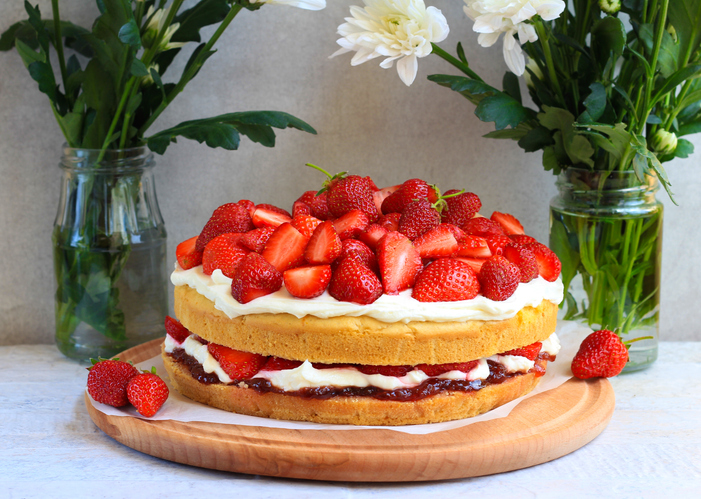
There are few things better than a slice of Victoria Sponge! (Credit: manyakotic via Getty Images)
The Victorian era crowned the pudding as monarch of the dessert table. Industrialisation brought not only new technologies but also access to cheaper sugar, flour, and spices. Cookbooks by figures such as Mrs. Beeton elevated puddings from household staples to culinary art forms.
The Christmas pudding, rich with dried fruit, brandy, and suet, emerged as the undisputed centerpiece of festive dining. Its ritualistic preparation – stirred by every family member for luck, set aflame with brandy, and adorned with holly – reflected Victorian values of domestic unity and tradition.
At the same time, lighter puddings rose in popularity. Steamed sponge puddings, jam roly-polies, and cabinet puddings filled parlours with sweetness. Each offered a contrast to the heavy roasts and gravies of the era. With the invention of baking powder and refined flour, British cooks could achieve the tender, airy textures that remain beloved today.
For the Victorians, puddings also symbolised progress. They embraced science in cooking, measured ingredients meticulously, and viewed the pudding as proof of precision and domestic mastery. The dessert course became not only an indulgence but a display of culinary modernity.
Wartime Simplicity and Postwar Nostalgia
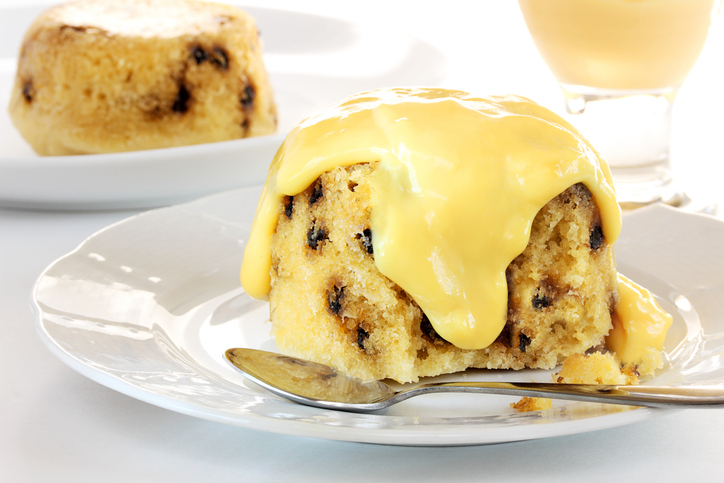
The iconic classic, spotted dick and custard! (Credit: MargoeEdwards via Getty Images)
The world wars of the 20th century reshaped British diets dramatically, and the pudding adapted once again. Rationing stripped recipes of their richness, replacing butter and eggs with ingenuity. Yet puddings endured. The “wartime pudding,” made from grated carrots, breadcrumbs, and dried fruit, offered sweetness in scarcity.
In the postwar years, puddings next became symbols of comfort and continuity. School canteens served sponge puddings with custard, while classics such as spotted dick, treacle sponge, and syrup pudding warmed generations through cold winters. The British pudding was, by now, more than food – it was nostalgia on a plate.
Modern Revival: Reinvention and Celebration
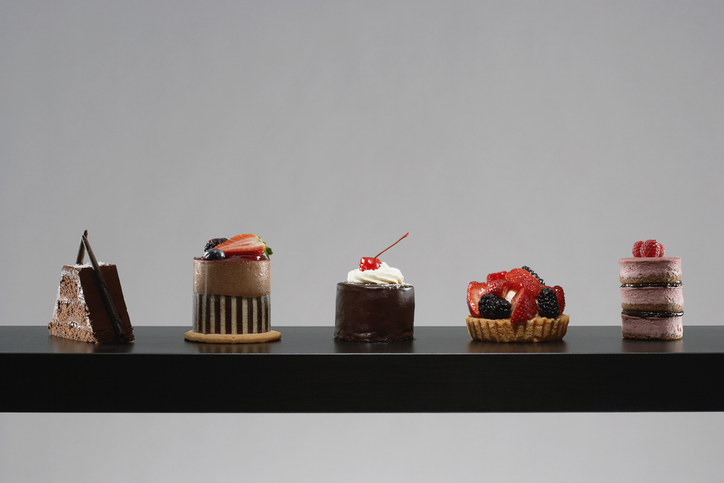
The humble pud has become an artform (Credit: Paul Taylor via Getty Images)
In contemporary cuisine, the British pudding has enjoyed something of a renaissance. Celebrity chefs and artisan bakers have reimagined traditional puddings for modern palates. Sticky toffee pudding, a relatively recent invention of the 20th century, stands as one of Britain’s proudest exports, blending moist sponge, toffee sauce, and indulgent cream.
Restaurants reinterpret heritage recipes with flair: black pudding paired with scallops, deconstructed trifle presented as fine art, bread and butter pudding infused with whisky or chocolate. Vegan and gluten-free versions widen the options even further.
Across the nation, from gastropubs in Yorkshire to tearooms in Cornwall, puddings still command affection. Whether steamed, baked, or chilled, they hold their place on the modern table with quiet pride.
The Proof’s in the Pudding

Britain in a bowl - a wonderful strawberry trifle! (Credit: bhofack2 via Getty Images)
From the humble medieval sausage-like fare to the refined Victorian dessert trolley, the evolution of the British pudding has mirrored the nation’s history, with each generation adding a new layer to this culinary saga. The steaming bowl on a winter’s night, the Christmas pudding aflame with brandy, the school sponge drenched in custard, all these scenes capture a uniquely British classic.