For more than a century, the Olympic Games have been seen as the ultimate stage for human excellence, a showcase of speed, strength, stamina, and skill. Yet alongside the glory and gold medals, Olympic history is full of moments so strange and utterly bizarre they sound far more fiction than fact…
From accidental champions to baffling events and scandals that stunned the sporting world, these are the mind-boggling Olympic stories that really did happen. And yes, every one of them is gloriously true.
The Marathon Runner Who Rode in a Car (1904)
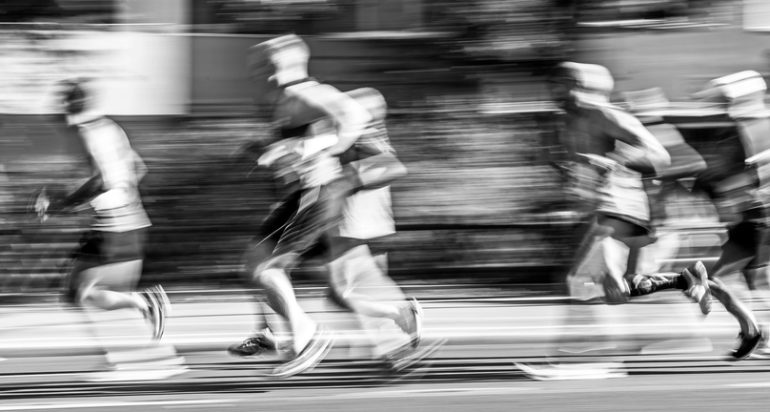
Fred Lorz was eventually disqualified! (Credit: fhm via Getty Images)
The marathon at the 1904 St. Louis Olympics is widely considered one of the most unusual races in Olympic history. One of the competitors, American runner Fred Lorz, collapsed early in the race due to exhaustion and the sweltering heat. Instead of dropping out completely, he accepted a lift in a car from his manager for roughly 11 miles of the course.
When the car broke down near the finish, Lorz decided to jog the remaining distance. To the surprise of officials and spectators alike, he crossed the finish line first and was briefly celebrated as the winner.
The victory celebration didn’t last long. Witnesses soon revealed the truth, and Lorz was disqualified. He later claimed it had all been a joke, though Olympic officials were less amused.
The Marathon Winner Who Was Practically Carried to Victory (1904)

Brandy isn't recommended mid-race... (Credit: Ciodaru Matei / 500px via Getty Images)
If the runner-up story sounds strange, the actual winner of that same marathon might be even stranger. American athlete Thomas Hicks struggled enormously in the brutal heat. During the race, his trainers administered small doses of strychnine (a substance normally used as rat poison) mixed with egg whites and brandy to stimulate him.
By the final stretch, Hicks was barely able to move. His support team reportedly carried him across the line while holding him upright. Despite the extraordinary circumstances, Hicks was declared the official gold medallist. Today, such assistance would result in immediate disqualification.
The Marathoner Who Just Wouldn’t Quit (1904)

Carvajal raised money running through Havana's streets (Credit: Kriangkrai Thitimakorn via Getty Images)
Félix Carvajal’s Olympic story stands out not because it was odd, but because he simply refused to give up. The Cuban runner, who had worked as a postman, raised money for his trip to the 1904 Games by running demonstrations in Havana’s central plaza, relying on his own stamina and charm to help pay his way. Even then, the journey to St Louis was anything but smooth.
According to later accounts, Carvajal lost his money in New Orleans and made the rest of the journey by a mix of walking, hitchhiking and running. In St Louis, one popular version of the story says American discus thrower Martin Sheridan helped cut down his trousers into makeshift running shorts. Even after all that, Carvajal still managed to finish fourth in the marathon, earning his place as one of the Olympics’ most determined competitors.
Side note: Yes, this is the third (and last) story we’re including from the 1904 marathon. We could have cited more. Next on our list would have been the competitor chased off course by a wild dog.
The Golfer Who Won Gold by Accident (1900)
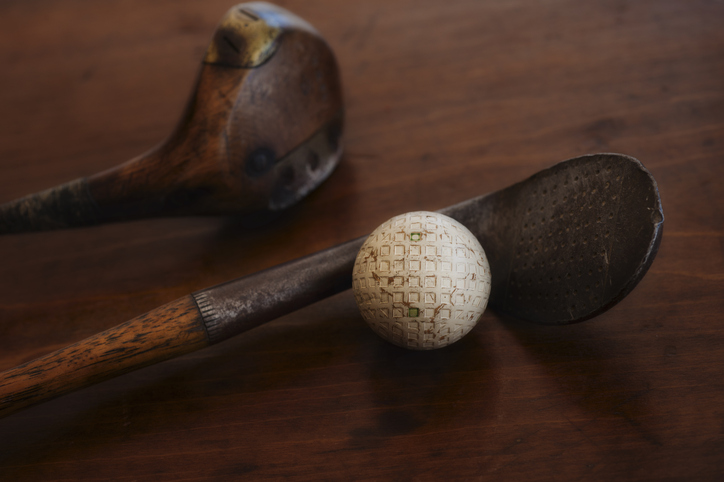
Margaret Abbot was an unexpected history maker! (Credit: Tetra Images via Getty Images)
Margaret Abbott did something truly odd at the 1900 Paris Olympics: she won a gold medal and never knew it. The American golfer entered what she thought was a fancy local tournament while studying art in France. She turned up in a long skirt, beat the field, and carried on with life, unaware she had made Olympic history. Even stranger, she became the first American woman to win an Olympic event. For decades, nobody realised the match counted as part of the Games. Talk about an unexpected hole-in-one for the history books.
When Medals Met Masterpieces
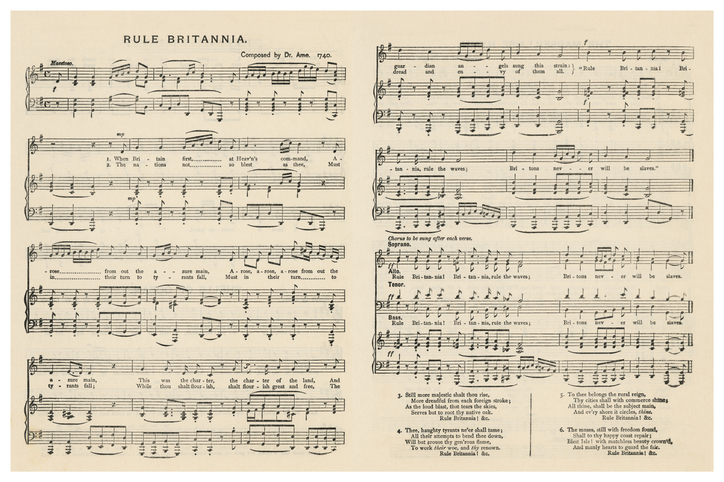
The Olympics once included medals for music (Credit: mikroman6 via Getty Images)
From 1912 to 1948, the Olympics did not just reward speed, strength, and stamina. They also handed out medals for art. Artists could compete in painting, sculpture, music, literature, and architecture, as long as the work was inspired by sport. It was Baron Pierre de Coubertin’s idea, because he believed the Games should celebrate both body and mind. The concept sounds charming, but it was also a bit awkward. Many artists were professionals, which clashed with the Olympics’ strict amateur rules at the time. So, after 1948, the art contests were dropped. Even so, it remains one of Olympic history’s oddest plot twists.
The Scoreboard That Wasn’t Ready For a Perfect 10 (1976)
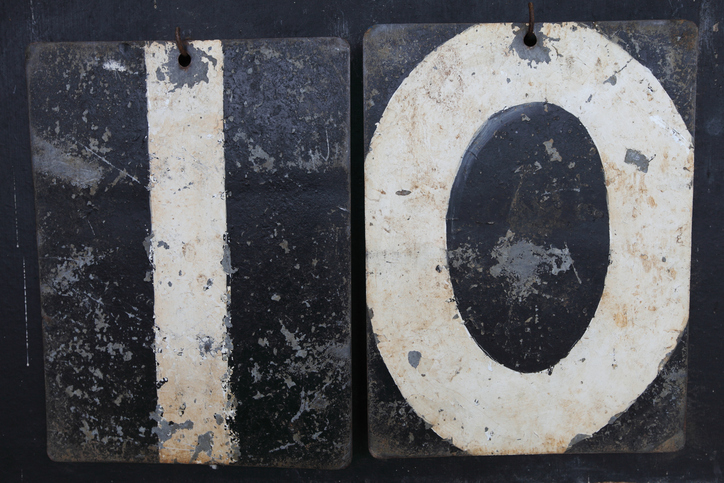
Nadia Comăneci is one of the world's great Olympians (Credit: Auldist via Getty Images)
During the 1976 Montreal Olympics, Romanian gymnast Nadia Comăneci achieved something that had never happened before. Her routine on the uneven bars earned the first perfect score in Olympic gymnastics history: 10.0. There was just one problem – the scoreboard wasn’t designed to display a 10. With only 3 digits, it could only show scores up to 9.99.
When the number “1.00” appeared, spectators were momentarily confused. Only later did officials explain that the display actually represented a perfect ten. Comăneci would go on to earn seven perfect scores during the Games.
Eddie the Eagle Takes Flight (1988)

The whole of Britain was behind Eddie the Eagle! (Credit: technotr via Getty Images)
Michael “Eddie the Eagle” Edwards flew into Olympic history at the 1988 Winter Games in Calgary, even though he had little chance of winning. Britain had not sent an Olympic ski jumper for decades, and Eddie, with his oversized glasses and fearless grin, looked more like an unlikely tourist than a sporting star. Yet that was exactly why people loved him. He finished last in both of his events, but the crowd cheered as if he’d won gold. In fact, Eddie became a symbol of guts, grit and utterly glorious optimism.
The Skating Scandal That Shocked the Olympics (1994)

It was a sporting scandal that shocked the world (Credit: vm via Getty Images)
Just weeks before the 1994 Winter Olympics in Lillehammer, figure skating was rocked by one of sport’s most shocking scandals. American skater Nancy Kerrigan was attacked after a training session at the U.S. Championships when a man struck her knee with a baton. The assault was later linked to associates of her rival, Tonya Harding, in an attempt to sideline Kerrigan before the Games.
Despite the injury, Kerrigan recovered in time to compete in Norway and delivered a remarkable performance, ultimately winning Olympic silver, while Harding finished eighth. The bizarre episode remains one of the most infamous moments in Olympic history.
Nero’s Need for Speed
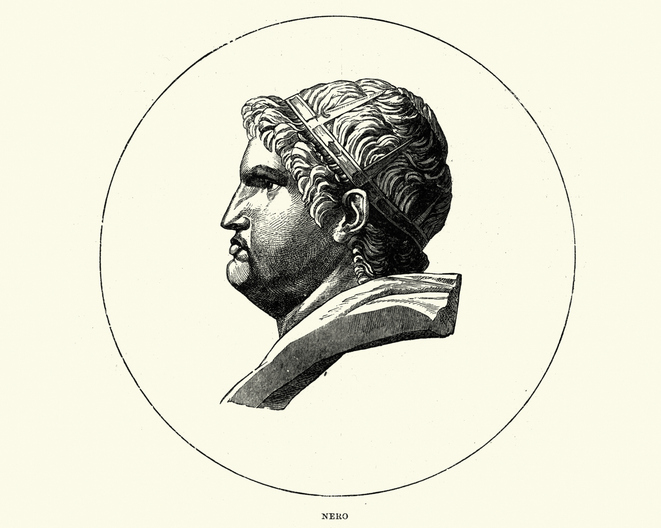
Emperor Nero (Credit: duncan1890 via Getty Images)
Of course, the Olympics date back to ancient times. One of their strangest stories stars Emperor Nero, who entered the chariot race at the ancient Olympic Games in Greece. In AD 67, he competed in a ten-horse chariot, which was far more than the usual team and already rather dramatic. Things got even odder when Nero fell from the chariot during the race and did not finish. Even so, he was still declared the winner. Why? Well, being the emperor had its perks. It was less photo finish, more imperial favour – proof that sporting controversy is nothing new.
Games, Gaffes and Glorious Oddities
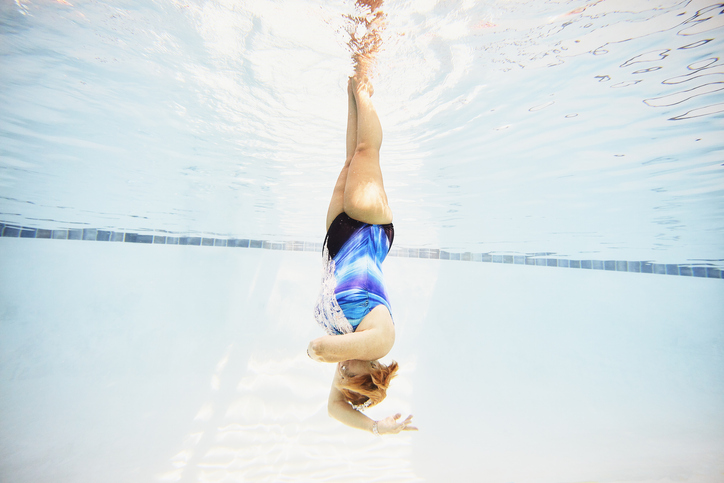
Solo synchronised swimming seems to defeat the object... (Credit: Thomas Barwick via Getty Images)
The Olympics have not always been a model of polished sporting sense. In fact, some events sound like they were invented after a very long lunch, such as solo synchronised swimming, which rather cheekily asked athletes to be in perfect sync with themselves. Then there were horse long jump and horse high jump, because apparently regular jumping was not enough. Even better, ballooning once appeared as a distance event, turning Olympic competition into something closer to a long, tranquil drifting day out.
And The Gold Medal for Weirdness Goes To...

Hot air ballooning was once an Olympic sport! (Credit: abbestock via Getty Images)
For all the records, rivalries, and podium finishes, the Olympics have also produced plenty of chaos, confusion, and outright absurdity. In fact, that’s part of what makes their history so entertaining. Whether a scoreboard having a meltdown, an emperor’s rather suspicious victory, or a medal-winning moment nobody even recognised, these stories prove one thing: the Olympic Games have always been as strange as they are spectacular.