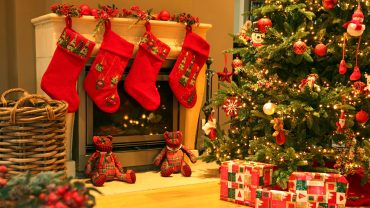
Once upon a time, Christmas Day in Britain came with a well-rehearsed script. The turkey went in, the Radio Times came out, and families gathered around the telly for a schedule as familiar as the Monarch’s Speech or Bond movie slot. These weren’t just programmes, they were part of the ritual.
Yet in recent years, one unexpected title has muscled its way into the festive line-up: Die Hard. Released in 1988 and set in a Los Angeles skyscraper under siege, this action-packed thriller has become one of the most hotly debated Christmas staples. So how did a film about conflict and explosions become a seasonal favourite? And what does it tell us about the evolution of Christmas TV? Let’s dive-role into the festive phenomenon that’s anything but traditional.
Christmas Telly: A British Institution
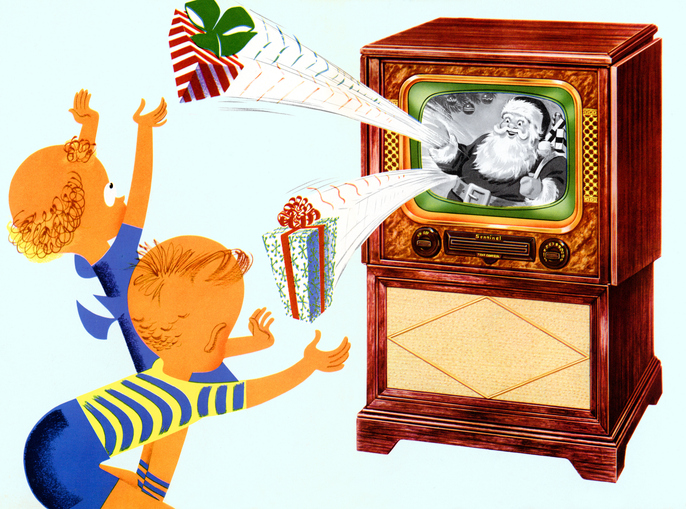
Christmas TV is a British institution (Credit: CSA Images via Getty Images)
Christmas television in the UK has long been treated with reverence. For decades, broadcasters saved their biggest programmes, grandest specials, and most beloved repeats for the festive period. Families planned their days around the TV listings, negotiating which channels to watch with the same seriousness as carving the turkey.
Animated staples such as The Snowman and Wallace and Gromit sat alongside perennial films including The Sound of Music, Chitty Chitty Bang Bang, and The Great Escape. Other traditions include Doctor Who and Downton Abbey Christmas episodes, and sitcom specials from Only Fools and Horses to The Vicar of Dibley.
Over time, this careful curation created something more than popular programmes. It created a festive canon, films and specials that returned so often they became inseparable from Christmas itself. Which raises an obvious question: how do these favourites earn their status in the first place?
What Makes a Christmas Movie?

Christmas movies are fun for the whole family (Credit: Choreograph (Konstantin Yuganov) via Getty Images)
The idea of a “classic Christmas movie” sounds simple enough, yet quickly becomes slippery once you start asking people what counts. Answers tend to shift with nostalgia, habit, and the quiet ways in which people plan their December Tv-enings.
For some viewers, the rule is purely practical. If a film is set at Christmas, it qualifies. Snow-dusted streets, decorated houses, festive music, and end-of-year chaos do the heavy lifting. By that logic, films such as Home Alone, The Holiday, and Love Actually sit comfortably, with Christmas threaded through the story.
Others look less at timing and more at meaning. A Christmas film, they argue, should reflect the season’s values: kindness, reconciliation, and change. It should leave the audience feeling better and more hopeful. This is the space occupied by It’s a Wonderful Life, A Christmas Carol, and even Elf.
Then there’s repetition. Some films and TV shows become classics simply because they are watched every year, soldered into festive TV schedules as much as Santa himself.
Crucially, many people also argue that a true Christmas movie should be family friendly, suitable for viewing across generations without awkward explanations or hastily diverted eyes.
So, with these things in mind, where does Die Hard actually stack up in the Christmas movie debate?
Die Hard: An Unlikely Classic

Is Die Hard a Christmas film? (Credit: Busà Photography via Getty Images)
When Die Hard was released in 1988, it was not marketed as a Christmas film. Starring Bruce Willis as New York cop John McClane, it followed a familiar action formula: one man, outnumbered, outgunned, and determined to prevail. Explosions, gunfire, and one particularly memorable barefoot struggle across broken glass made it an instant hit.
Yet the film’s setting is undeniably festive. The plot unfolds on Christmas Eve at a company Christmas party. Snow-like confetti falls through the air, Christmas music weaves through the soundtrack. McClane’s motivation is not glory or duty, but being the good guy and repairing his fractured marriage in time for Christmas morning.
Over time, viewers began to notice these details. As the film became a staple of December TV schedules, particularly in the UK, it took on a new identity. What was once a summer blockbuster transformed into a festive tradition, watched not despite Christmas, but because of it.
Festive Television in the Streaming Age
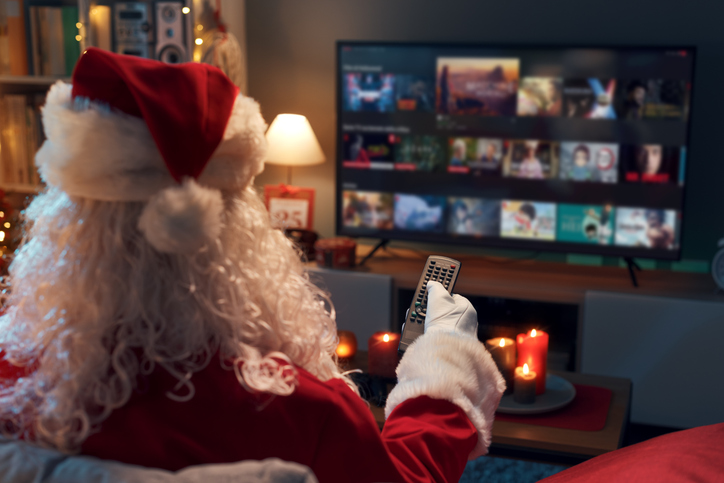
Even Santa has time to watch TV! (Credit: demaerre via Getty Images)
The question of whether Die Hard is a Christmas movie has stuck partly because it’s also survived the shift from scheduled TV to on-demand viewing. In the streaming era, people aren’t bound by broadcasters’ festive line-ups. They choose their own traditions, deciding what to watch and when. Streaming platforms do highlight “Christmas collections,” and Die Hard remains a firm fixture. So it’s the classic Chicken-and-Egg festive film. It’s always featured at Christmas because it’s always featured at Christmas.
Not the Only Controversial Christmas Classic

Gremlins as an Xmas film? Maybe... (Credit: KrimKate via Getty Images)
Die Hard is far from alone in occupying this festive grey area. Another film frequently dragged into the debate is Gremlins, the 1984 dark comedy that combines Christmas cheer with mischievous monsters bent on destruction. Set during the holiday season and packed with Xmas imagery, Gremlins nonetheless shocked audiences with its unexpectedly grim tone, including a notoriously bleak monologue about Santa Claus himself.
Like Die Hard, Gremlins challenges the assumption that Christmas films must be cosy, gentle, and safe for all ages. It arrived at a time when filmmakers were increasingly willing to subvert expectations, using the festive backdrop to defy the very expectations of the Christmas spirit.
Yippee-Ki-Yay or Nay?

"Right, who's got the remote...?" (Credit: Tony Anderson via Getty Images)
So, is Die Hard a Christmas film? There may never be a definitive answer, and perhaps that’s the point. The ongoing debate has become part of the film’s festive charm. Whether one sees John McClane as an unlikely Christmas hero or a trespasser in the land of tinsel, his annual return is now all but guaranteed.