For many, Steve Jobs will always be linked to the iPhone, a sleek, groundbreaking device that redefined what 21st-century technology could look and feel like. Introduced in 2007, it altered how people communicate, work and unwind, setting a new standard for mobile technology. But focusing solely on one device risks missing the bigger picture. In fact, Jobs’ influence stretches far beyond a single product, touching nearly every corner of the tech world.
So what else did Steve Jobs change? From headline-making products to quieter revolutions behind the scenes, here are ten other ways he left a permanent mark on technology, beyond the device for which he is arguably best known.
1. Making Computers Personal
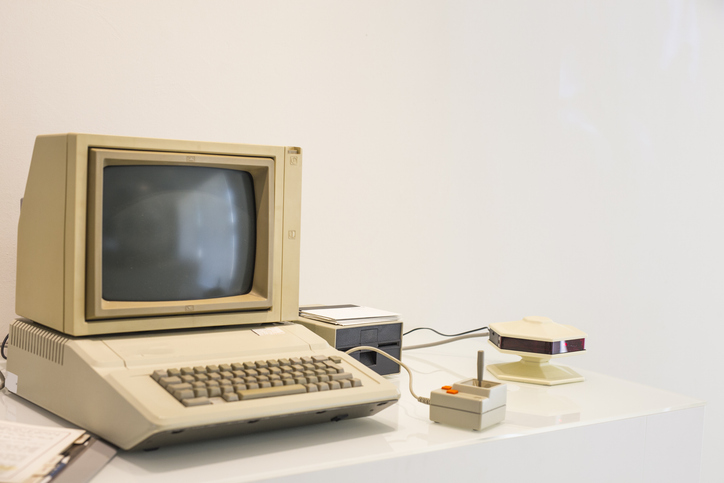
Early Apple IIe computer (Credit: ficio74 via Getty Images)
Before Apple, computers were largely the domain of governments, universities, and corporations. They were often expensive, intimidating machines, operated by specialists. Jobs, alongside Steve Wozniak, helped flip that script with the Apple II in 1977.
The Apple II wasn’t just a technical achievement; it was a statement of intent. It arrived fully assembled, with a keyboard, colour graphics, and plan to bring computers to the masses. Jobs believed computers belonged on desks and in homes, something for normal people rather than just institutions. This idea of the ‘personal computer’ laid the groundwork for the digital world people now take for granted.
2. The Graphical User Interface
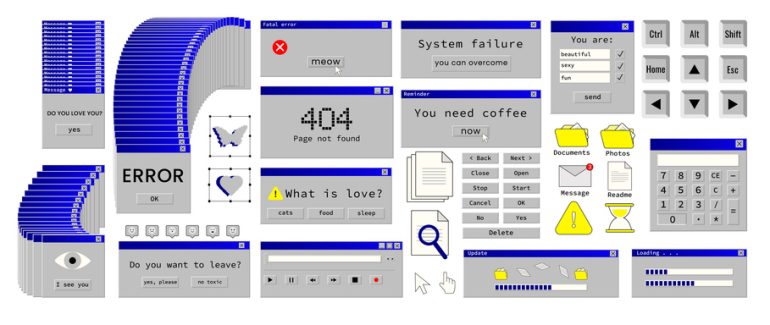
Steve Jobs recognised the importance of the GUI (Credit: Ekaterina Yakovleva via Getty Images)
While Jobs didn’t invent the graphical user interface (GUI), he recognised its potential faster than most. After visiting Xerox PARC in the late 1970s, he became convinced that icons, windows, and a mouse were the future of computing.
This vision materialised in the Apple Lisa and, more famously, the Macintosh in 1984. By replacing text commands with visual icons, Jobs helped make computers more intuitive. Clicking, dragging, and dropping became second nature, and the GUI soon became an industry standard, shaping operating systems from Windows to Linux-based platforms and beyond.
3. Design as a Core Technology Principle
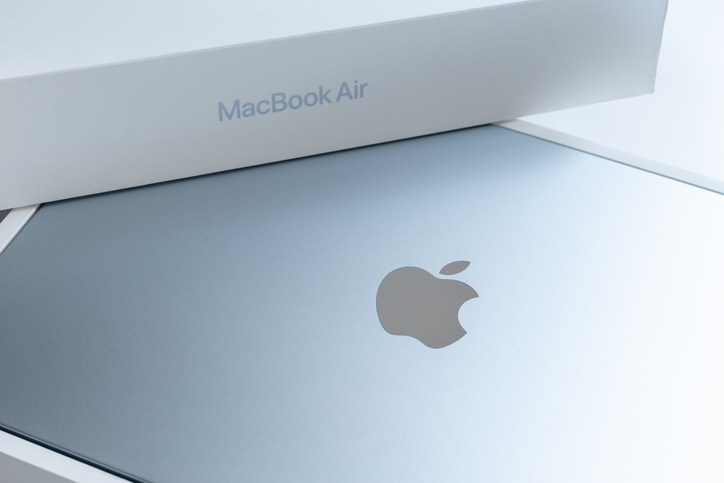
The MacBook Air is a study in modern design (Credit: 9dreamstudio via Getty Images)
Before Jobs, design was often treated as decoration, something applied after the engineering was finished. Jobs rejected this entirely. To him, design was inseparable from function.
From the translucent shell of the iMac G3 to the minimalist aluminium of later MacBooks, Apple products under Jobs placed industrial design at the heart of technology. He drew inspiration from architecture, typography, and even Zen philosophy. This emphasis forced competitors to rethink their own products, sparking a broader shift toward cleaner, more human-centred design across the tech industry.
4. Reinventing Digital Animation with Pixar
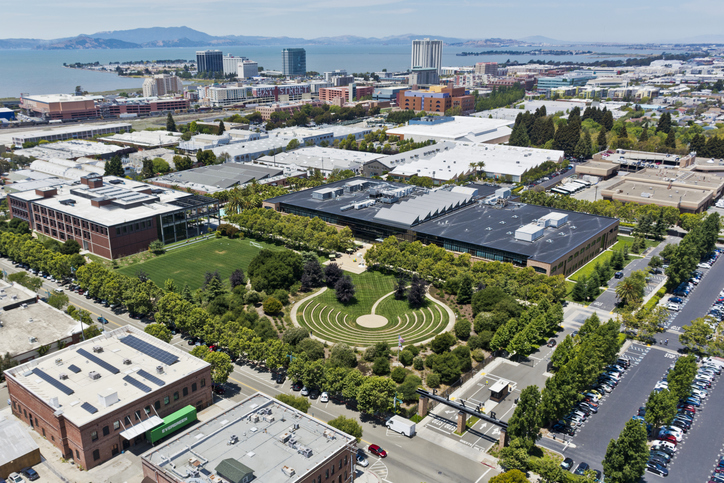
The Pixar Animation Studios in California (Credit: Steve Proehl via Getty Images)
Jobs’ influence extended far beyond Apple. In 1986, he purchased a small graphics division from Lucasfilm that would eventually become Pixar Animation Studios. At the time, computer animation was experimental and niche. Jobs believed it could become a genuine game-changer.
Under his leadership and financial backing, Pixar produced Toy Story in 1995, the world’s first fully computer-animated feature film. The movie didn’t just succeed; it changed animation and Hollywood itself. Pixar’s unique technology and ability to tell a good story reshaped the industry, and proved that advanced computing could be emotionally, not just technically, impressive.
5. Reshaping the Music Industry with iTunes

iTunes and iPods revolutionised how the world listened to music (Credit: Orla via Getty Images)
By the early 2000s, the music industry was in crisis. File-sharing services had made piracy widespread, and legal digital alternatives were clumsy or unattractive. Jobs saw an opportunity to fix both the technology itself, and the business model.
The iTunes Store, launched in 2003, offered individual songs for a simple, affordable price. Crucially, it was easy to use. Jobs persuaded major record labels to sign on, changing how music was bought and sold. While streaming would later dominate, iTunes paved the way by proving consumers would actually pay for digital content, as long as the experience was good enough.
6. Redefining Consumer Electronics Marketing

Apple tech became fashion accessories (Credit: Stefanie Grewel via Getty Images)
Jobs didn’t just focus on what made up the products, he also changed how technology was actually presented to the world. Apple’s product launches became huge events, carefully choreographed and eagerly anticipated. Jobs’ keynote presentations – with their simple slides, clear narratives, and dramatic “one more thing” moments – set a new standard for corporate communication.
He understood that technology needed such storytelling. Rather than drowning audiences in specifications, he focused on what products meant for people’s lives. This approach transformed tech marketing across the industry, influencing how companies unveil everything from software updates to electric cars.
7. Creating the Modern Tech Retail Experience

Apple Stores reimagined the tech shopping experience (Credit: zoranm via Getty Images)
Apple Stores were another radical departure. When the first locations opened in 2001, many analysts predicted failure. Selling computers in sleek, minimalist spaces seemed risky, especially when online retail was growing.
Jobs saw stores not just as places to buy products, but as spaces to stand out from the crowd. Bright, open layouts gave a sense of calm quality, while the Genius Bar offered human support in an industry notorious for jargon and frustration. Today, Apple Stores are among the most successful retail spaces per square foot in the world, and their influence can be seen in tech showrooms everywhere.
8. Blurring the Line Between Hardware and Software

Apple creates the hardware and the software (Credit: Devrimb via Getty Images)
One of Jobs’ core beliefs was that great products came from controlling the whole experience. Unlike many competitors, Apple designed both the hardware and software for its devices. This tight integration allowed for smoother performance, greater reliability, and a more cohesive feel. From the Macintosh operating system to macOS and iOS, this approach prioritised consistency over customisation. While critics argued it limited choice, the model proved enormously influential. Many companies now strive for similar ‘vertical integration’, recognising the advantages of unified systems.
9. Popularising the App Economy

The App Store opened up a new world of creativity and economics (Credit: Oscar Wong via Getty Images)
Although the iPhone introduced mobile apps to a wide audience, the broader concept of an app-driven ecosystem was part of Jobs’ larger vision. The App Store, launched in 2008, created a new economic model almost overnight. By allowing independent developers to distribute software easily, Jobs helped spark an explosion of creativity. Entire industries – from ride-hailing to mobile gaming – grew from this platform. The idea that small teams could reach global audiences through these digital marketplaces is now a defining feature of modern tech.
10. Elevating Technology to Cultural Status
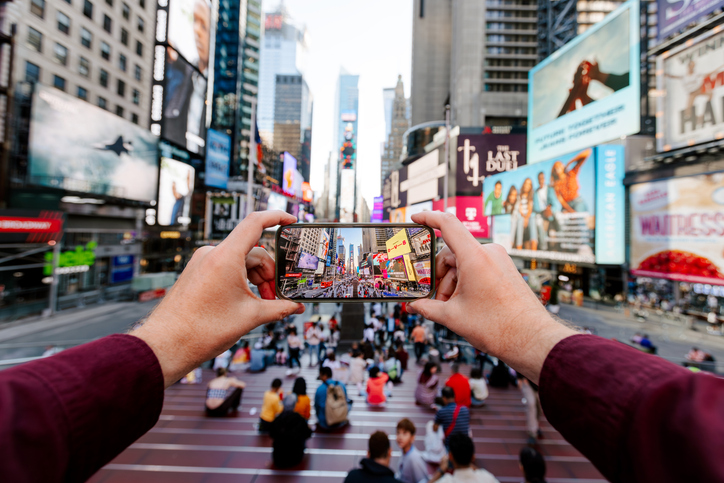
The iPhone is a symbol of the modern world (Credit: Alexander Spatari via Getty Images)
Perhaps Jobs’ most enduring legacy is less tangible. He helped shift technology from a more mundane, practical part of day-to-day life, to something that’s taken on more of a rock-star philosophy. Apple products became symbols of the modern world. They appeared in films, music videos, and art studios, not just offices. Jobs spoke about technology as something that should “put a dent in the universe.” That ambition expanded far beyond Apple, to entrepreneurs, designers, and engineers everywhere, changing how tech was seen across the globe.
A Legacy Far Beyond One Device
Many of today’s fundamental tech principles still bear his fingerprints (Credit: Pulse via Getty Images)
Steve Jobs’ death in 2011 marked the end of an era, but not the end of his influence. Whether it’s intuitive interfaces, beautifully designed devices, digital marketplaces, or immersive storytelling, many of today’s most fundamental tech principles still bear his fingerprints, shaping how we use technology every day, and most likely continuing to do so for decades yet to come.